
Counting the waves…
Counting the waves…
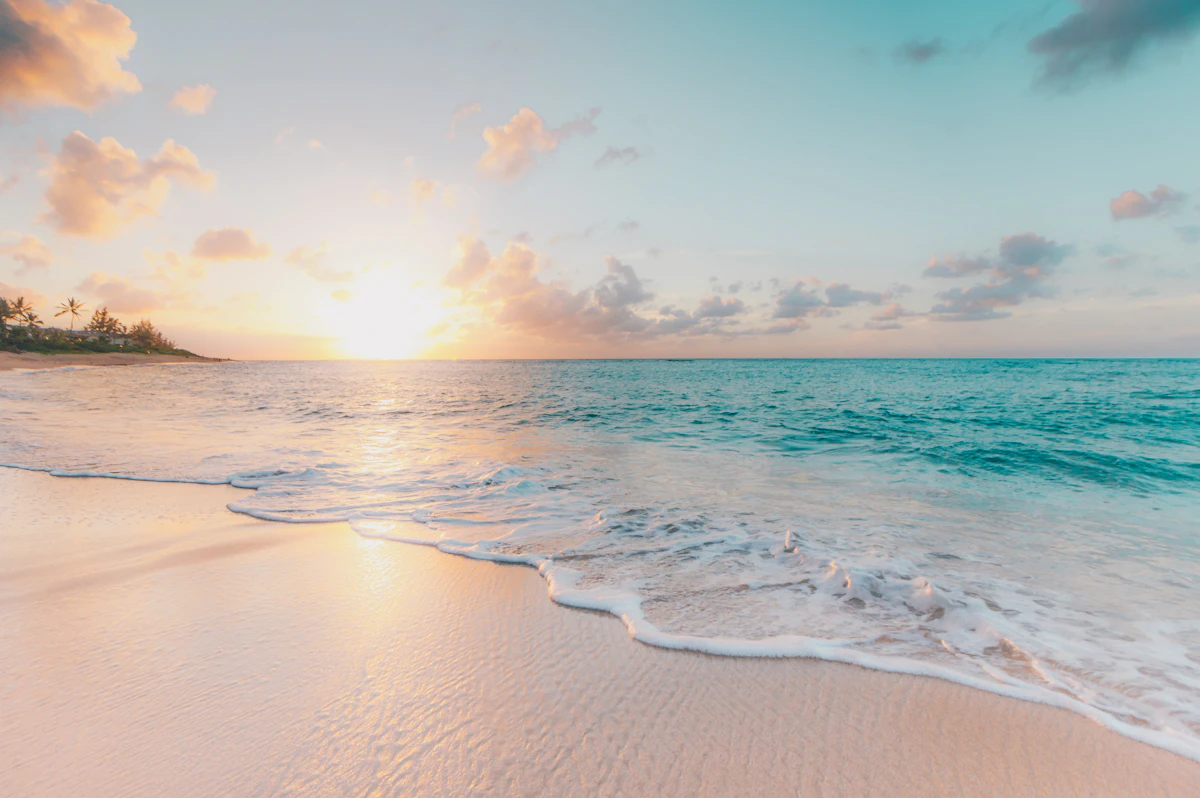
The nine-kilometer crescent of La Baule unfurls between Pornichet and Le Pouliguen like a painter's stroke of champagne-colored sand. You walk barefoot past art-deco mansions and turreted Belle Époque hotels that rise behind a seawall promenade thick with tamarisk trees. The beach slopes so gently into the Atlantic that toddlers wade fifty meters out while their parents watch from rented transats, and the sand itself—fine as cornstarch—squeaks beneath your weight. The waterfront boulevard thrums with a peculiar mix of old-money elegance and seaside carnival energy. Crêperies send buckwheat smoke into the air, mixing with brine and sunscreen. Teenagers claim the southern stretch near the casino, while the northern end toward Benoit draws kite-surfers who launch neon canopies into the westerly wind. Low tide exposes a hundred meters of rippled sand, perfect for beach tennis and improvised football pitches that disappear when the sea returns. Sunset here is theater: the sky bleeds orange and violet behind the bay's gentle curve, silhouetting windsurfers and evening joggers. The light turns the wet sand into molten bronze, and couples linger on the seawall benches long after the beach bars have shuttered. Even in winter, locals brave the chill for bracing walks, bundled against Atlantic gales that strip the sky clean and leave the air tasting of iodine and possibility.
Places, rentals, tours and events within walking and driving distance of Plage de La Baule.
Photos
Plage de La Baule is generally very safe for swimming and highly family-friendly. The beach slopes gently into the water, creating shallow areas ideal for children. Professional lifeguards patrol the beach during summer months, typically from June through September. The expansive sandy beach provides ample space for families to settle comfortably. However, Atlantic conditions can vary, so always observe posted flag warnings and swim in supervised areas. The beach's urban location means facilities like toilets, showers, and first aid are readily accessible, adding to its family appeal.
Plage de La Baule can be enjoyed year-round, though experiences vary seasonally. July and August offer peak beach weather with warm temperatures and full services but bring significant crowds. June and September provide excellent alternatives with pleasant conditions and more space. The shoulder seasons of spring and autumn suit walkers and those appreciating the beach's famous light for photography. Winter visits appeal to those seeking bracing coastal walks along Europe's longest sandy beach. For swimming and sunbathing with lifeguard supervision, visit between mid-June and early September when water temperatures are warmest.
La Baule-Escoublac is well-connected by various transport options. The town has its own train station (Gare de La Baule-Escoublac) with regular TER regional services from Nantes and other Loire-Atlantique destinations. By car, take the N171 from Nantes or access via coastal roads. Multiple parking areas line the seafront, though spaces become scarce in summer. The beach stretches for nine kilometers, accessible from numerous points along the promenade. Local buses serve the resort, and the flat terrain makes cycling popular. Many hotels and rentals are within walking distance of the beach.
La Baule offers extensive dining and lodging options for all budgets. The beachfront promenade features numerous restaurants, cafés, and brasseries serving everything from casual snacks to refined cuisine, including fresh seafood specialties. The town center has additional restaurants, markets, and bakeries. Accommodation ranges from luxury hotels and thalassotherapy resorts to mid-range hotels, vacation apartments, and campgrounds. Many properties offer direct beach access or sea views. The resort's infrastructure is comprehensive, with shops, supermarkets, and services throughout the town, particularly concentrated along the main avenues parallel to the beach.
Plage de La Baule ranks among Europe's most famous beaches, stretching approximately nine kilometers of fine golden sand in a sweeping crescent bay. Often called one of Europe's most beautiful beaches, it combines exceptional natural beauty with Belle Époque resort elegance. The beach's vast width at low tide creates enormous recreational space, while the backdrop of luxury villas and pine forests adds distinctive character. Its urban resort infrastructure provides comprehensive amenities rarely matched at natural beaches. The combination of reliable facilities, stunning sunsets, excellent sand quality, and iconic status makes it a must-visit destination on France's Atlantic coast.