Counting the waves…
Counting the waves…
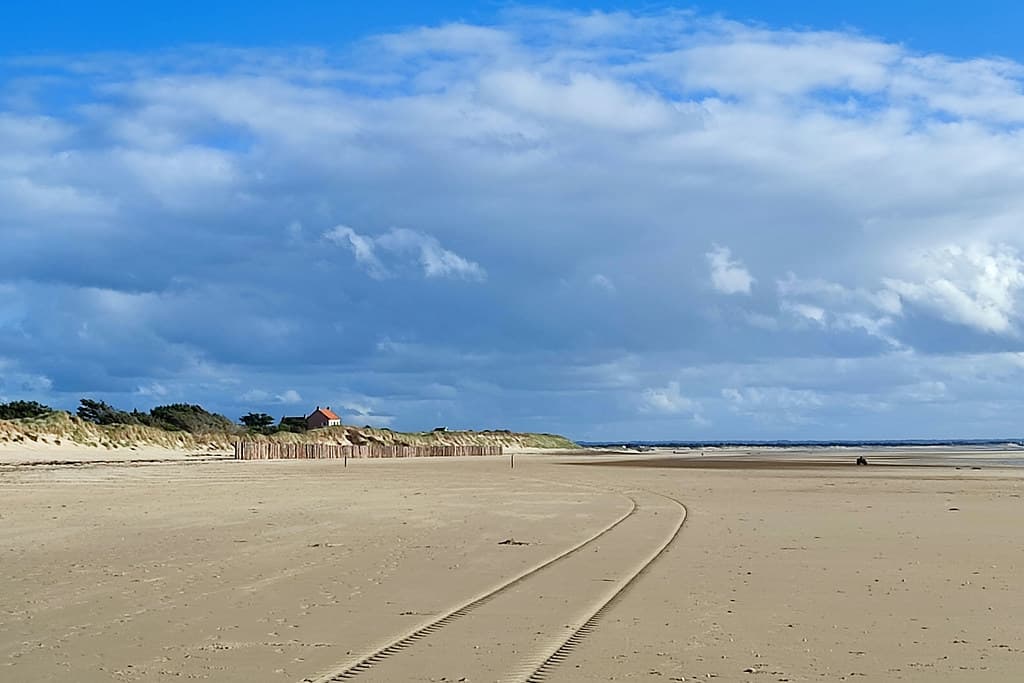
The dunes behind Plage de Créances rise like natural ramparts, their marram grass bending in the Atlantic wind that sweeps across this exposed stretch of Normandy's western coast. You'll walk through these sandy hills before the beach reveals itself—a vast expanse that stretches from Barneville-Carteret down toward Granville, so broad and empty it feels more like a Saharan edge than a French seaside. Low tide exposes kilometers of hard-packed sand where families bicycle alongside kite-flyers and beachcombers hunting razor clams. The light here shifts constantly, filtered through maritime clouds that cast violet shadows across wet sand at sunset. You'll notice the absence of beach clubs and rental umbrellas—this is a working coast where oyster farmers still harvest the shallow beds offshore and locals gather seaweed after storms. The water temperature rarely climbs above 18°C even in August, but that doesn't deter the wetsuit-clad surfers who paddle out year-round to ride the reliable swells. Créances village sits a few kilometers inland, its church spire visible across fields of vegetables grown in the mineral-rich coastal soil. You'll find bakeries selling galettes-saucisses and small grocers stocking Normandy cider, but little tourist infrastructure—this beach belongs to the wind, the tide, and those who come seeking space rather than spectacle.
Places, rentals, tours and events within walking and driving distance of Plage de Créances.
Photos
Plage de Créances is generally safe for swimming during calm weather, but conditions can vary significantly. The beach is unguarded in most areas, so swimmers should exercise caution and be aware of tides and currents. Strong Atlantic winds can create rough surf, particularly outside summer months. Always check local weather forecasts and tide times before entering the water. The shallow, gently sloping shore makes it relatively family-friendly during settled conditions, but supervision of children is essential. Avoid swimming during storms or when red flags are displayed.
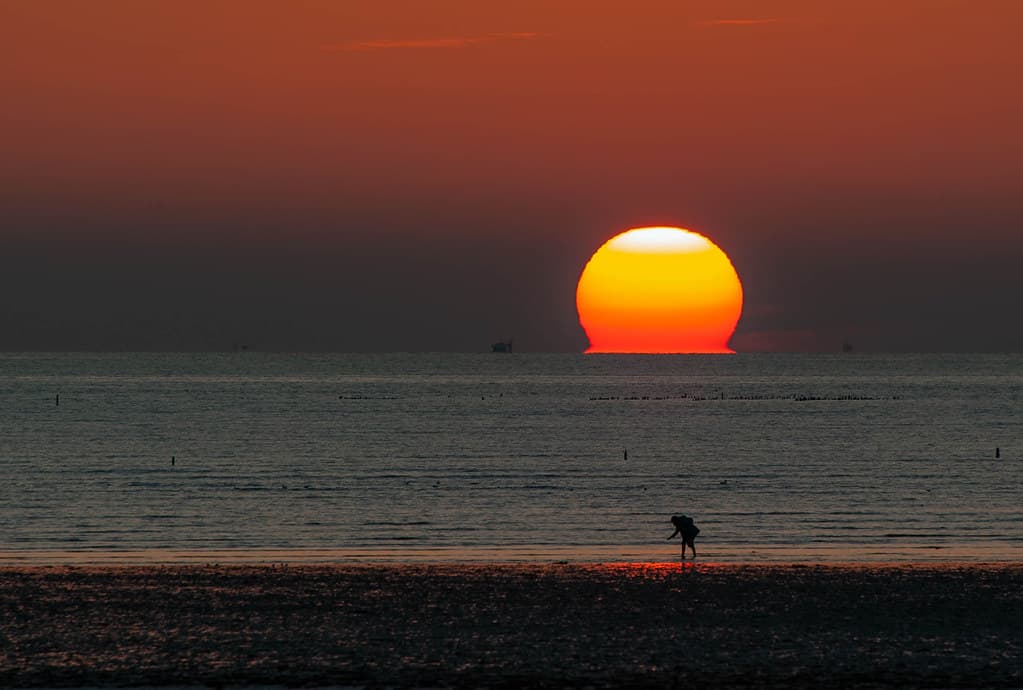
Plage de Créances can be visited year-round, each season offering different experiences. Summer (June-August) provides the warmest weather and calmest seas, ideal for swimming and sunbathing. Spring and autumn are perfect for peaceful walks with fewer crowds and dramatic skies. The beach is particularly renowned for spectacular sunsets throughout the year. Winter offers wild, windswept beauty popular with walkers and photographers, though swimming is not recommended. July and August are busiest with families, while off-season visits provide solitude and authentic coastal atmosphere along this scenic Normandy coastline.
Plage de Créances is located in the Manche department of Normandy, accessible by car via the D650 road from Créances village. The beach has several free parking areas along the coast road, including well-marked lots near the main beach access points. From Coutances, it's approximately 20 kilometres west. Public transport is limited, making a car the most practical option. The nearest train station is in Coutances, from where you'd need a taxi or rental car. Parking is generally ample except during peak summer weekends when arriving early is advisable.
The village of Créances, just inland from the beach, offers several restaurants, cafés, and small shops for basic provisions. You'll find traditional Norman cuisine and fresh seafood options. Beachfront facilities are limited, so consider bringing supplies for a beach day. Accommodation options include vacation rentals, B&Bs, and small hotels in Créances and surrounding villages. For more extensive dining and shopping, the town of Coutances is about 20 minutes away. Several campsites operate near the coast during summer months, popular with families seeking longer stays in this scenic area.
Plage de Créances features an impressive natural dune system that forms a protected ecological zone along the coast. These dunes provide important habitat for rare plants and wildlife, and help protect inland areas from coastal erosion. The dune-backed landscape creates a particularly scenic setting distinct from rocky Normandy beaches elsewhere. Visitors can explore marked paths through the dunes, but staying on designated trails is crucial to preserve this fragile environment. The dunes also offer shelter from winds and create peaceful spots for picnicking while enjoying panoramic views of the wide, sandy beach and Atlantic Ocean.