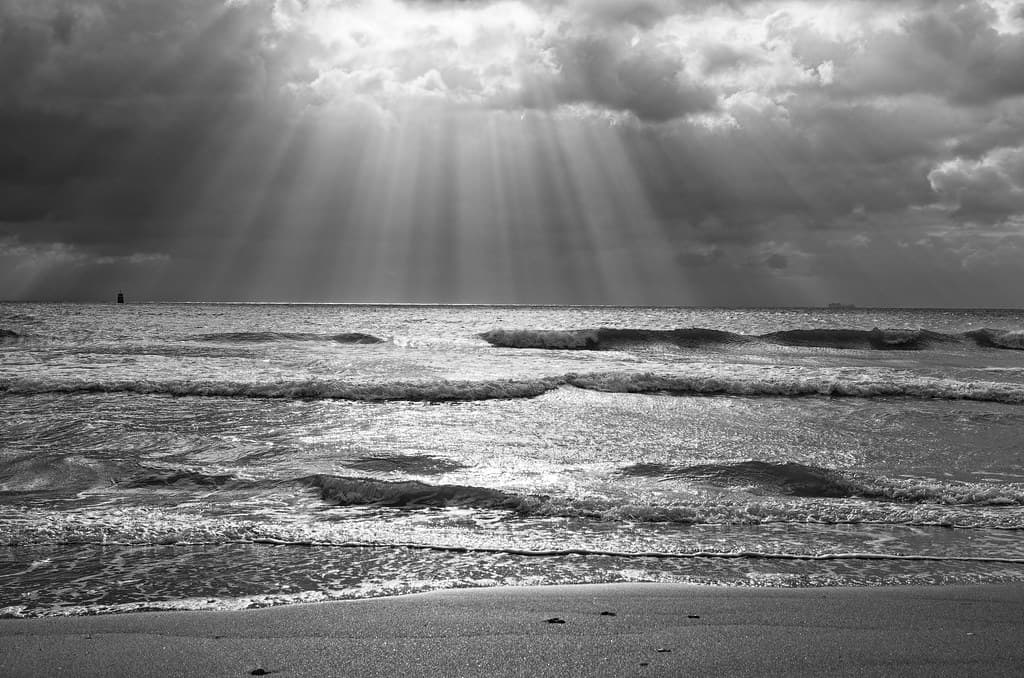
Counting the waves…
Counting the waves…
You park beside a handful of Norman stone cottages and walk a gravel path that opens onto a beach the color of wet slate. Morsalines faces west across the bay, sheltered from the open Channel by the jut of Cap de Carteret. At low tide, the water retreats halfway to the horizon, exposing dark rocks webbed with kelp and wooden stakes that mark the oyster concessions. Tractors churn through the shallows, hauling wire cages back to shore, and the air tastes of iodine and turned earth. The beach itself is a mix of smooth pebbles and coarse sand, bordered by a low seawall and a narrow promenade where locals walk terriers and check crab pots. There are no beach clubs, no rentals, no loudspeakers—just a couple of weathered benches and a single café that closes by six. Gulls trace lazy arcs overhead, and the only sound is the hiss of waves folding over stones. Come in the late afternoon when the sun slants low and the bay glows amber. The light here is soft and maritime, the kind that turns everything—water, stone, skin—into watercolor. You'll find a spot near the rocks, slip off your shoes, and let the cold Atlantic numb your feet while the sky shifts from peach to violet. By the time you leave, the tractors will have gone silent and the tide will be creeping back in, erasing the day's footprints one by one.
Places, rentals, tours and events within walking and driving distance of Plage de Morsalines.
Photos
Plage de Morsalines is a bay-facing beach along the Manche coast, which generally means calmer waters compared to ocean-facing beaches. However, always check local tide times and weather conditions before swimming, as the English Channel experiences significant tidal variations. The beach is relatively sheltered but lacks lifeguard supervision during most of the year. Pay attention to warning flags if posted, avoid swimming during rough weather, and be mindful of tidal currents. Families with children should supervise closely and swim during mid-tide when conditions are typically most stable.
Plage de Morsalines can be enjoyed year-round, though late spring through early autumn (May-September) offers the warmest weather for beach activities. Summer months bring comfortable temperatures for swimming, though the Normandy coast rarely gets very hot. The beach is particularly renowned for sunset views, making late afternoon visits rewarding throughout the year. Off-season visits provide peaceful, uncrowded conditions perfect for coastal walks. Winter can be quite windy and cool, but the dramatic seascapes attract photography enthusiasts. Check tide schedules to experience the beach at both high and low tide.
Plage de Morsalines is located in the small coastal village of Morsalines in the Manche department of Normandy. The beach is most easily reached by car, situated along the D1 coastal road between Barfleur and Saint-Vaast-la-Hougue. Parking is typically available near the beach access points, though spaces may be limited during peak summer season. The nearest major towns are Valognes (about 20km inland) and Cherbourg (approximately 30km north). Public transportation options are limited in this rural coastal area, making a personal vehicle the most practical choice for visitors.
Morsalines is a small village with limited on-site amenities directly at the beach. You'll find more comprehensive services in nearby Saint-Vaast-la-Hougue (approximately 5km south), which offers restaurants specializing in local seafood, cafés, grocery stores, and accommodations including hotels and vacation rentals. The region is known for its oysters and mussels. It's advisable to bring supplies for a beach day, including food and drinks. For lodging, consider staying in Saint-Vaast-la-Hougue or other nearby coastal villages, which provide better access to restaurants and shops while keeping Plage de Morsalines within easy reach.
Plage de Morsalines remains relatively hidden because it's a smaller bay beach often overshadowed by the more famous Saint-Vaast-la-Hougue nearby, which has UNESCO World Heritage fortifications and a bustling harbor. Many travel guides consolidate smaller beaches in this area under the Saint-Vaast designation, causing Morsalines to be overlooked. This works in favor of visitors seeking quieter, more authentic coastal experiences away from crowds. The village's small size and limited tourism infrastructure mean fewer people discover it, preserving its peaceful, scenic character and making it ideal for those wanting an uncrowded Normandy beach experience.