Counting the waves…
Counting the waves…

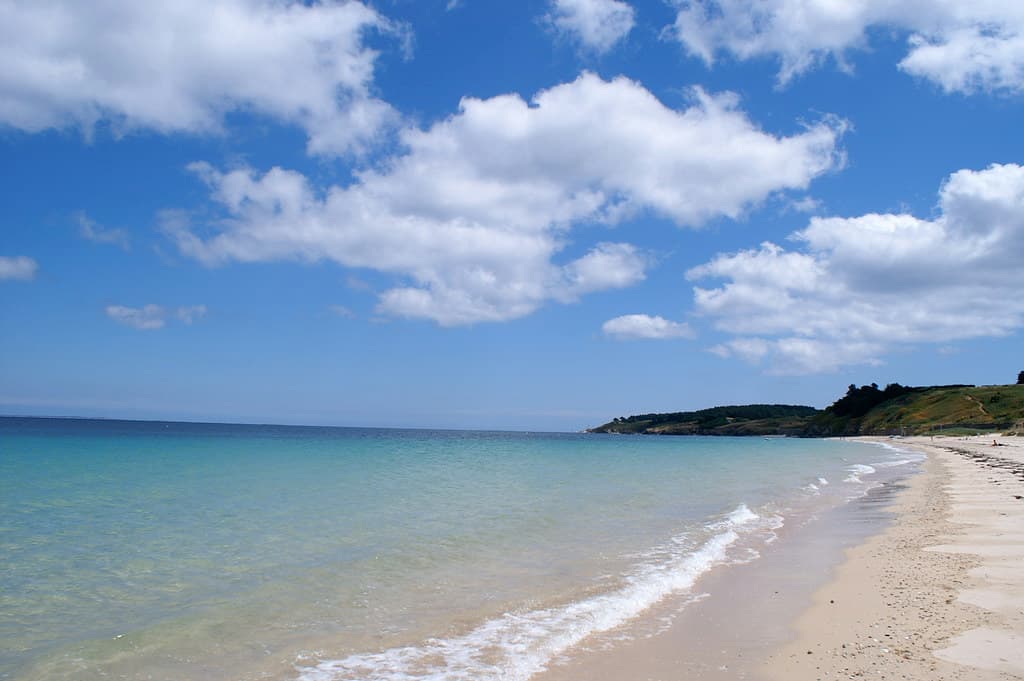
The ferry from Lorient pitches through the morning chop, and by the time you disembark at Port-Tudy, the island's granite spine is already visible against a pewter sky. Rent a bicycle—Groix is small enough to cross in twenty minutes—and pedal west past hydrangea-choked stone walls until the road dissolves into a footpath. The sand announces itself first: not white, not blonde, but the color of oxidized iron, studded with garnet chips that glint under your boots. You'll have the cove nearly to yourself outside July and August. The Atlantic here is bracingly cold, even in June, and the shore drops off quickly where the garnet seam meets the tide. Locals say the red sand appears nowhere else on Groix, a fluke of erosion that exposes a mineral vein older than the island's fishing villages. At low tide, tide pools collect between black schist outcrops, filled with crabs and periwinkles. Sunset turns the whole beach molten—backlit cliffs, wet sand reflecting copper and rose. Bring a wool sweater; even summer evenings here carry the chill of open water. The last ferry departs at seven in high season, earlier in spring, so time your visit carefully or plan to stay the night in one of the island's modest guesthouses, where dinner means line-caught mackerel and Muscadet served on oilcloth.
Places, rentals, tours and events within walking and driving distance of Plage des Sables Rouges.
Photos
Plage des Sables Rouges is generally safe for swimming during calm weather, with gently sloping sand ideal for families. However, as an Atlantic-facing beach on Groix island, conditions can change quickly with strong currents and winds during storms. There are no lifeguards stationed here, so swim at your own risk and check local weather forecasts before entering the water. The beach is relatively sheltered compared to the island's western shores, but always exercise caution, especially with children, and avoid swimming during high winds or rough seas.
Summer (June-September) offers the warmest weather and calmest seas, perfect for swimming and sunbathing. However, spring and autumn provide stunning light for photography and fewer crowds while still offering pleasant temperatures for beach walks. Winter visits reward hardy travellers with dramatic Atlantic storms and complete solitude. The beach faces west, making it exceptional for sunset viewing year-round. Tides significantly affect the beach's appearance, so check tide times if you want maximum sand exposure. May and September offer an ideal balance of good weather and tranquility.
Reaching Plage des Sables Rouges requires a ferry to Groix island from Lorient (45-minute crossing). Ferries operate year-round with multiple daily departures in summer and reduced service in winter. Once on Groix, the beach is approximately 5 kilometers from Port-Tudy village. You can walk, cycle (bike rentals available at the port), or drive if you've brought a vehicle on the car ferry. Limited parking exists near the beach access path. Most visitors cycle, as the island is small and bike-friendly with scenic coastal routes throughout.
Plage des Sables Rouges has minimal facilities, reflecting its unspoiled character. There are no beach restaurants or cafes directly at the site, so bring food and water. The nearest services are in Locmaria village, roughly 2 kilometers away, which has a small grocery store and seasonal crêperie. Port-Tudy, the main village, offers several restaurants, accommodations, and shops but requires a 5-kilometer journey. The island has various lodging options including hotels, guesthouses, and vacation rentals, though booking ahead is essential during summer months.
The beach takes its name from the distinctive reddish-orange hue of its sand and surrounding rocks, caused by garnet-rich minerals unique to this part of Groix. This geological feature creates striking color contrasts, especially during golden hour when the red tones intensify against blue waters. The garnets are remnants of volcanic and metamorphic activity millions of years ago. While not bright red, the warm russet tones are noticeably different from typical Breton beaches and make the location particularly photogenic, especially at sunset when the colors are most vivid.