Counting the waves…
Counting the waves…

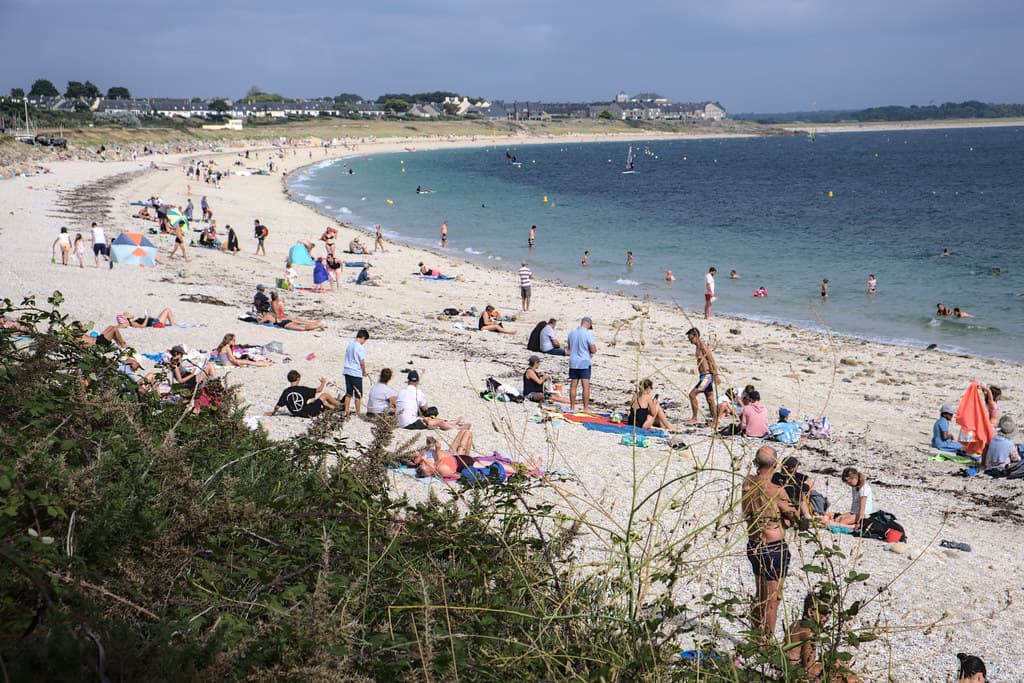
Plage de la Falaise sits at the throat of the Gulf of Morbihan, where sheltered waters meet the Atlantic's moods. The beach stretches beneath a low bluff thick with gorse and sea pinks, its sand pale as bone meal. At low tide, the strand extends far enough that children chase retreating wavelets, their laughter echoing off the cliffs. Breton families arrive mid-morning with coolers of kouign-amann and thermoses of cider, staking out patches near the dunes. The western exposure transforms late afternoons into theater. Sun sinks behind the Quiberon peninsula, painting the sky in shades of apricot and plum, silhouetting the fishing boats heading home to Port-Navalo. You'll notice locals timing their arrival for this hourly performance, perched on the sea wall with baguettes from the Locmariaquer bakery. The water here stays shallow for thirty meters, warmed by summer sun, gentle enough that grandmothers wade in skirts rolled to their knees. Beyond the beach, Locmariaquer's megalithic stones—older than Stonehenge—brood in nearby fields, their granite faces flecked with lichen. But most visitors return to the Falaise at dusk, when the lighthouse on Île de Houat blinks to life and the smell of grilling sardines drifts from the village restaurants. This is Brittany at its most unguarded: salt, stone, and the Gulf breathing in rhythm with the tide.
Places, rentals, tours and events within walking and driving distance of Plage de la Falaise.
Photos
Plage de la Falaise is generally family-friendly with calm waters, particularly during low to mid-tide when shallow pools form ideal for children. However, like most Atlantic coast beaches, conditions vary with tides and weather. There's no lifeguard supervision, so always monitor children closely. Check tide times before visiting, as high tide significantly reduces beach space. The beach has a gentle slope in most areas, but underwater rocks can be present. Calm summer days offer the safest swimming conditions, while autumn and winter bring stronger currents and waves unsuitable for young swimmers.
Plage de la Falaise is accessible year-round, with each season offering distinct appeal. Summer (June-August) provides warmest weather and swimming conditions, though expect more visitors on sunny weekends. Spring and autumn offer pleasant temperatures for beach walks with fewer crowds, perfect for photography and sunset viewing. Winter visits appeal to those seeking dramatic coastal scenery and solitude. For optimal beach space, visit during low tide. Sunset enthusiasts should come evening hours year-round, as the beach faces west with spectacular views over the Gulf of Morbihan, particularly during golden hour.
Plage de la Falaise is located in Locmariaquer, approximately 30 minutes from Vannes and Auray by car via D781. From Locmariaquer village center, follow signs toward the beach. Free parking is available near the beach access, though spaces can fill quickly during summer weekends and holidays—arriving early morning is advisable. The beach is accessible via a short walk from the parking area. No direct public transport serves the beach, but cycling is popular as Locmariaquer is relatively flat. The nearest bus connections serve Locmariaquer village, requiring a 15-20 minute walk.
Plage de la Falaise itself has minimal on-site facilities—no permanent restaurants or beach clubs directly at the beach. However, Locmariaquer village center, just 1-2 kilometers away, offers several restaurants, crêperies, cafés, and small markets for provisions. The area specializes in fresh seafood and oysters from local farms. Basic amenities like public toilets may be available seasonally near the parking area. For accommodation, Locmariaquer village provides hotels, vacation rentals, and campsites within easy reach. Bring your own beach supplies, umbrellas, and refreshments, especially for full-day visits during peak season.
While Plage de la Falaise doesn't offer direct views of Locmariaquer's famous Neolithic monuments like the Grand Menhir Brisé or Table des Marchands, these archaeological treasures are remarkably close—just 1-2 kilometers away. Many visitors combine a beach visit with exploring these 5,000-year-old megalithic sites. The beach's coastal location does provide views across to the Quiberon Peninsula and Gulf of Morbihan islands. Some smaller standing stones dot the surrounding landscape. Consider planning a half-day combining beach relaxation with cultural exploration of the nearby prehistoric monuments, creating a uniquely Breton experience.