Counting the waves…
Counting the waves…
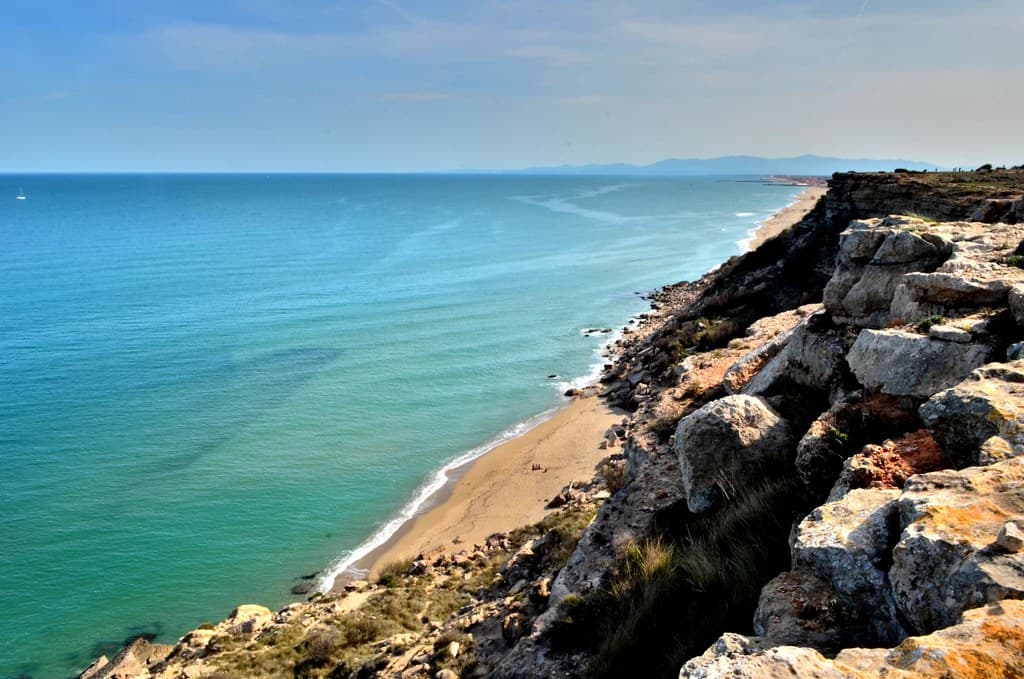
The coastline between Narbonne and the Spanish border holds a secret the resort towns would rather you ignore. Plage du Rouet sprawls undeveloped and unmanicured, its tawny sand ribbed by wind patterns that shift daily. Stands of silvery tamarisk mark the boundary between scrubland and shore, and the only architecture is driftwood stacked by winter storms. On autumn mornings, when the Tramontane gusts cross the Corbières hills and hit saltwater, you'll see a handful of vans in the makeshift lot—surfers waxing boards, thermoses steaming, wetsuits half-peeled. The beach runs long and flat at low tide, exposing sandbars that channel incoming swells into rideable peaks. Beachcombers find cuttlefish bones, sun-bleached rope, the occasional carnelian pebble. There are no lifeguards, no chairlift sellers, no amplified music bleeding from beach clubs. What you get instead is the rhythmic thud of shorebreak, the mineral smell of wet sand, and sightlines that stretch to the Pyrenean foothills when the mistral blows the haze away. La Palme village sits two kilometers inland—a drowsy cluster of ochre-walled houses where the boulangerie closes at noon and the closest ATM is in Sigean. This remoteness is deliberate. The Aude coast resisted the concrete wave that swallowed much of Languedoc, and Rouet remains what French beaches looked like before the planners arrived: raw, moody, and unapologetically elemental.
Places, rentals, tours and events within walking and driving distance of Plage du Rouet.
Photos
Plage du Rouet is a wild, undeveloped beach where swimming requires more caution than at supervised beaches. There are typically no lifeguards, so you swim at your own risk. The beach is popular with surfers and windsurfers, indicating that waves and wind can be strong. Currents may be present, particularly when conditions are active. The sandy beach itself is safe to walk on. This beach suits confident swimmers and water sports enthusiasts rather than young families. Always assess conditions carefully before entering the water and never swim alone at unsupervised beaches.
The best time depends on your purpose. For surfing and windsurfing, spring and autumn often bring better wind conditions, with the Tramontane wind creating ideal waves. Summer offers warmer water but potentially calmer conditions, though afternoon winds often pick up. For those seeking tranquility and natural beauty without water sports, late spring and early autumn provide pleasant weather with minimal crowds. Winter can be dramatic and beautiful for coastal walks but too rough for swimming. Weekdays are quieter than weekends year-round. Early mornings offer the most peaceful atmosphere.
Plage du Rouet is located near La Palme in the Aude department. By car from Narbonne, it's approximately 30 kilometers southeast via the D6009 and local roads. From Perpignan, head north along coastal routes. The beach requires driving or cycling as public transport is limited in this rural area. Look for signs to La Palme, then follow local signs toward the coast. Parking is available but informal, and access may involve walking along sandy paths. The remote location means a vehicle is practically essential unless you're staying very locally.
Plage du Rouet is undeveloped, so facilities are minimal at the beach itself. The nearby village of La Palme, a few kilometers inland, has basic services including small shops and possibly seasonal cafés or restaurants. For more dining and accommodation options, Narbonne-Plage and Port-la-Nouvelle offer restaurants, hotels, and campgrounds within reasonable driving distance. Many visitors bring picnics and supplies as beachside services are absent. Accommodation in La Palme may include vacation rentals or chambres d'hôtes. This is not a resort beach, so come prepared with food and water.
Plage du Rouet attracts surfers and windsurfers because of its exposed position and consistent wind conditions, particularly the Tramontane wind that creates good waves. The beach remains undeveloped and wild, offering authentic natural coastal scenery without buildings or commercial development. This makes it ideal for those seeking solitude and unspoiled landscapes. The surrounding area is part of the windswept Aude coastline, known for dramatic natural beauty. The lack of crowds, even in summer, appeals to visitors wanting to escape busy resort beaches and experience the raw Mediterranean coast.