
Counting the waves…
Counting the waves…

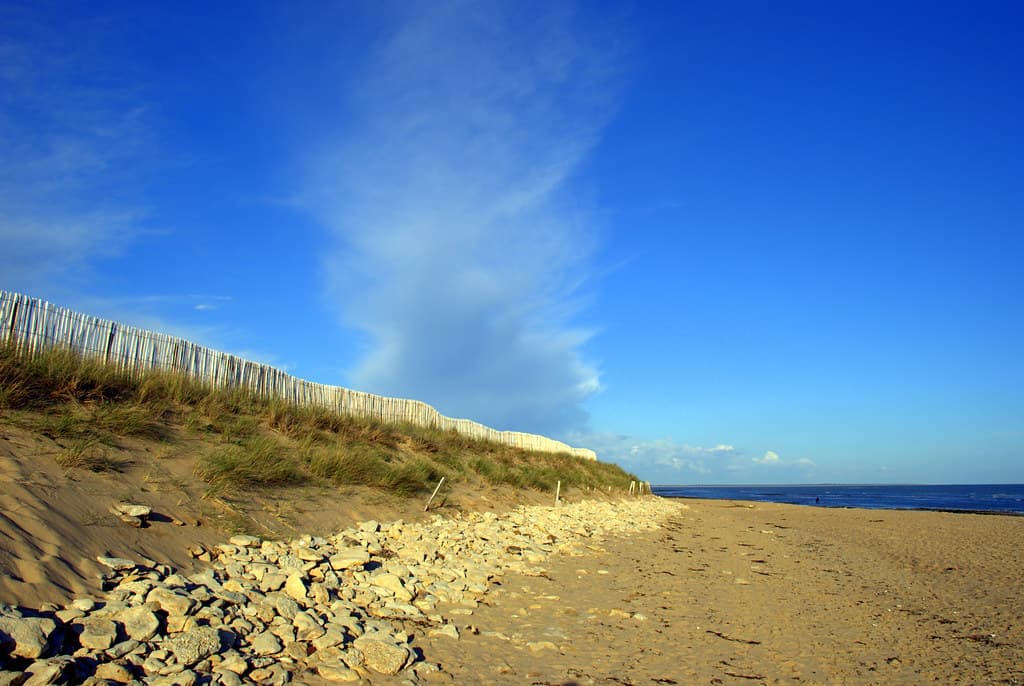
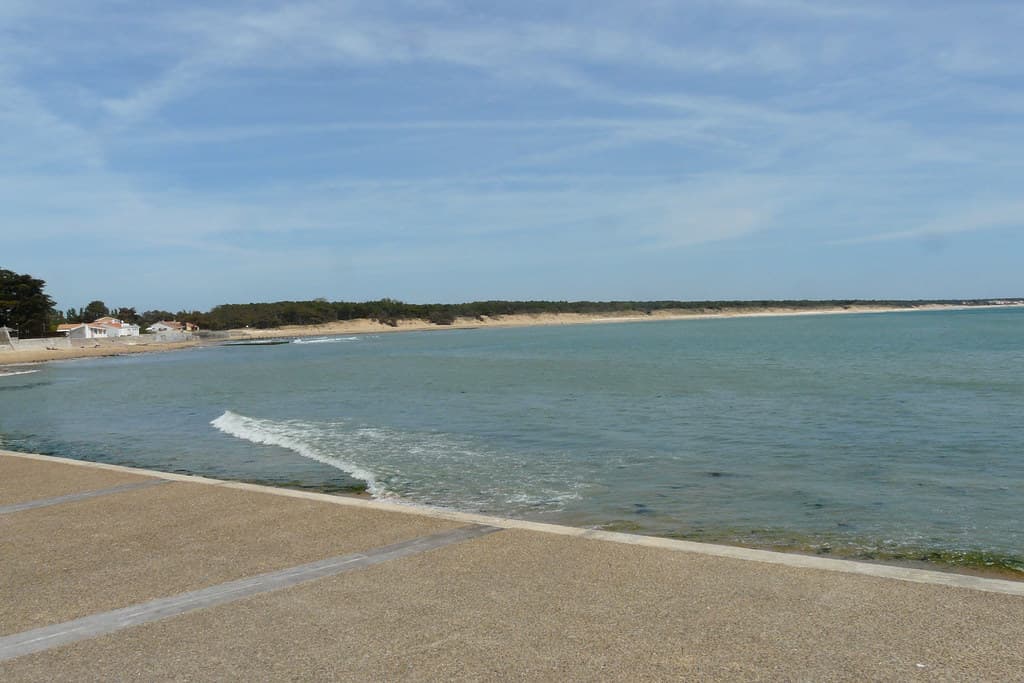
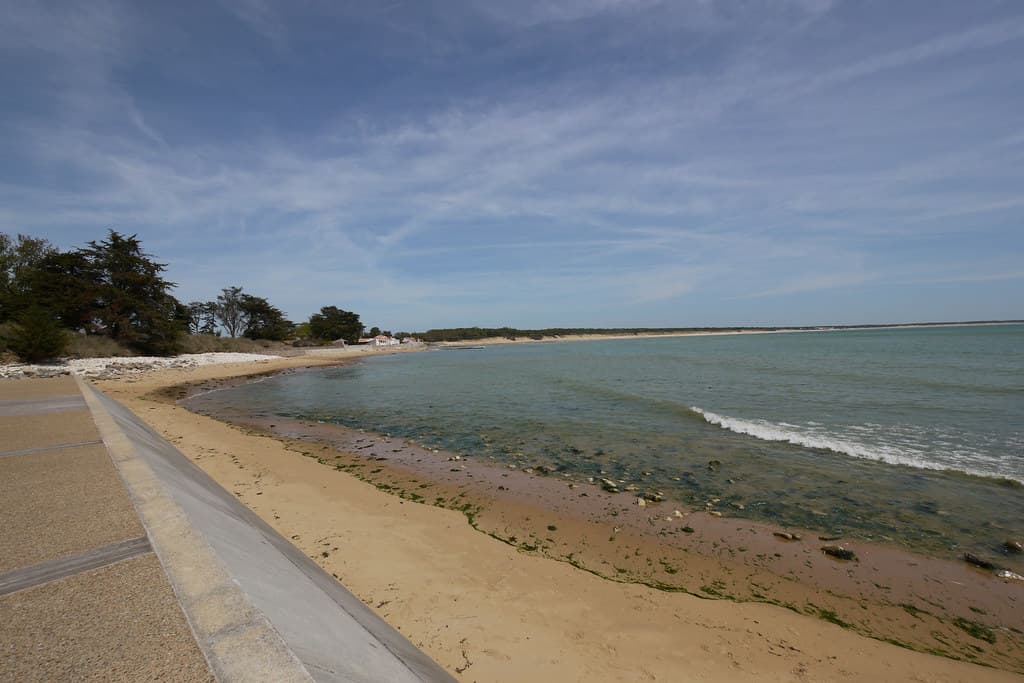
The sand at Plage du Rocher holds the warmth of the afternoon sun long after you've spread your towel. Pine needles collect along the high-tide line, mixing with dried seaweed and fragments of mussel shells. The forest edge begins just beyond the dunes—a narrow band of maritime pines that filters the light into golden columns by late afternoon. Families claim their territories early, staking umbrellas into the compacted sand near the waterline. The Atlantic here rolls in with steady, predictable waves that foam white before sliding up the gradual slope. Children dig moats and channels, engineering temporary waterworks that fill and drain with each surge. The beach stretches wide enough that you can walk fifty meters from your towel and still hear the rhythmic collapse of surf. When the sun climbs too high, you slip into the pine shade where the temperature drops several degrees. Footpaths wind through the trees, carpeted with rust-colored needles that silence your steps. The scent shifts from brine to bark, and occasional glimpses of blue water flash between dark trunks. By evening, the beach empties slowly, families shaking sand from towels as shadows lengthen across the cooling strand.
Places, rentals, tours and events within walking and driving distance of Plage du Rocher.
Photos
Plage du Rocher is generally suitable for family swimming, with sandy shores providing comfortable beach access. The beach's name suggests some rocky features, so check specific areas before letting children play in the water. Lifeguard supervision varies by season and may be less consistent than at major resort beaches. Always observe local warning flags and assess conditions personally. The beach's location along the Longeville coast typically offers moderate Atlantic conditions. Families should supervise children carefully and be prepared for potentially fewer immediate facilities than at larger supervised beaches.
The best time combines beach enjoyment with the unique forest-edge walks that characterize this location. Summer months (June-September) offer optimal beach weather, though the forest paths remain pleasant year-round. Morning visits provide calmer seas and opportunities for beach activities followed by shaded forest walks during midday heat. The shoulder seasons of late spring and early autumn offer comfortable temperatures ideal for walking with fewer crowds. The combination of beach and forest environments makes this location particularly appealing when you want varied scenery within a single visit.
Plage du Rocher is located along the Longeville-sur-Mer coastline, accessible by following beach access signs from the town. Driving is the most common approach, with parking areas near the beach access points, though availability varies by season. Some accommodations in Longeville-sur-Mer are within cycling or walking distance along coastal paths. Look for specific signage to 'Plage du Rocher' as Longeville features several beach access points. The forest-edge location means access may involve short walks through coastal vegetation, adding to the natural character of arrival.
Plage du Rocher has limited facilities directly at the beach, reflecting its more natural setting. Seasonal beach cafés or kiosks may operate during summer, but permanent restaurants are typically found in Longeville-sur-Mer village. The town offers various dining options, shops for provisions, and accommodation including hotels, campsites, and holiday rentals. Many visitors pack picnics to enjoy on the beach or in the adjacent forest areas. The beach's character suits self-sufficient visitors who appreciate natural surroundings over immediate commercial amenities.
Plage du Rocher's distinctive feature is its forest-edge location, offering a unique combination of beach and woodland environments. Unlike purely coastal beaches, it provides opportunities for shaded forest walks immediately adjacent to seaside activities, ideal for escaping midday sun. The setting offers more natural character than developed resort beaches, appealing to visitors seeking quieter, scenic experiences. Rocky elements suggested by its name add geological interest to the typical sandy Vendée coastline. This combination makes it particularly valuable for families wanting varied activities beyond pure beach time.