Counting the waves…
Counting the waves…
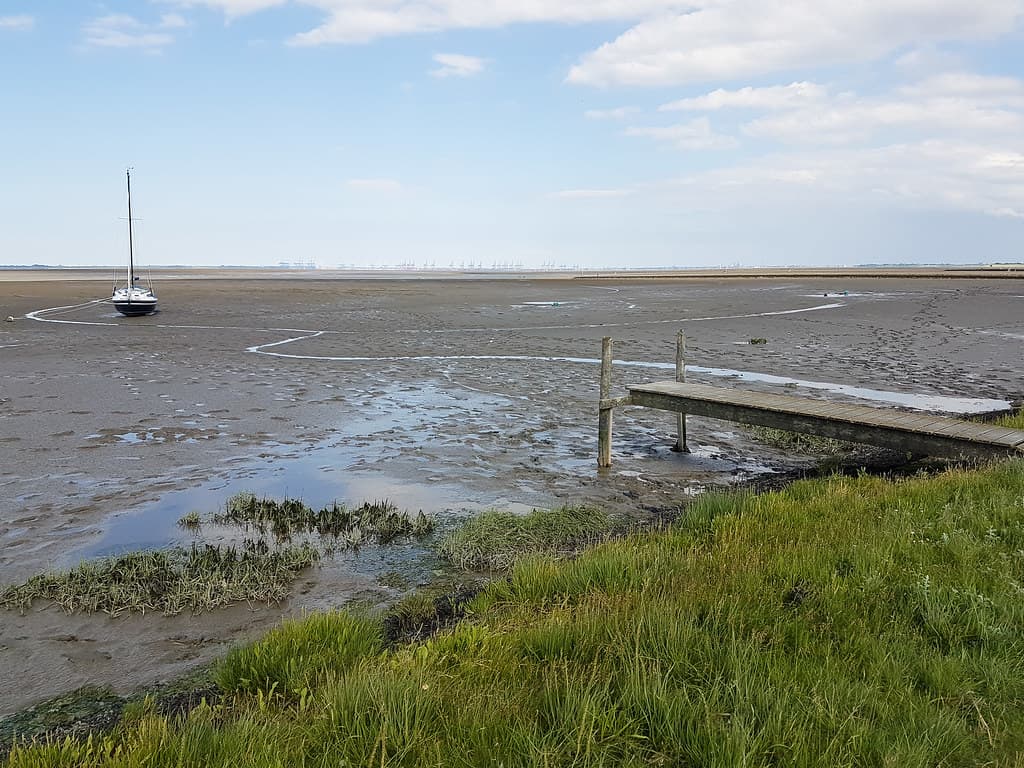
You approach through countryside so flat the horizon seems theoretical: fields of wheat and rapeseed, black-and-white cows in pastures, farmhouses with solar panels glinting in the sun. The road ends at a dike, and beyond it—after a short walk across grass—the beach appears: a narrow strand of sand and mud pressed between seawall and tide. At low water, the flats extend so far the sea becomes a hypothesis. Stollhamm lacks the polish of resort beaches. No lifeguards, no concessions, no rows of rented chairs. The dike provides your seating; the sand, mixed with fragments of shell and tidal debris, provides your ground. When the North Sea retreats, you walk out across firm flats, past pools where shrimp dart and waders feed. The air tastes of salt and earth. Behind you, the dike rises with its neat cap of grass; beyond it, cows graze and wind turbines turn slowly against the sky. Evening brings the day's best light. The sun sinks toward the western horizon, igniting the sky above the Wadden Sea, turning the tidal pools into scattered coins of gold and pink. Gulls settle on the flats. The wind drops. You sit on the dike and watch darkness gather over Butjadingen's most beautiful, least-known beach, the one that asks nothing of you but presence and patience.
Places, rentals, tours and events within walking and driving distance of Stollhamm Beach.
Photos
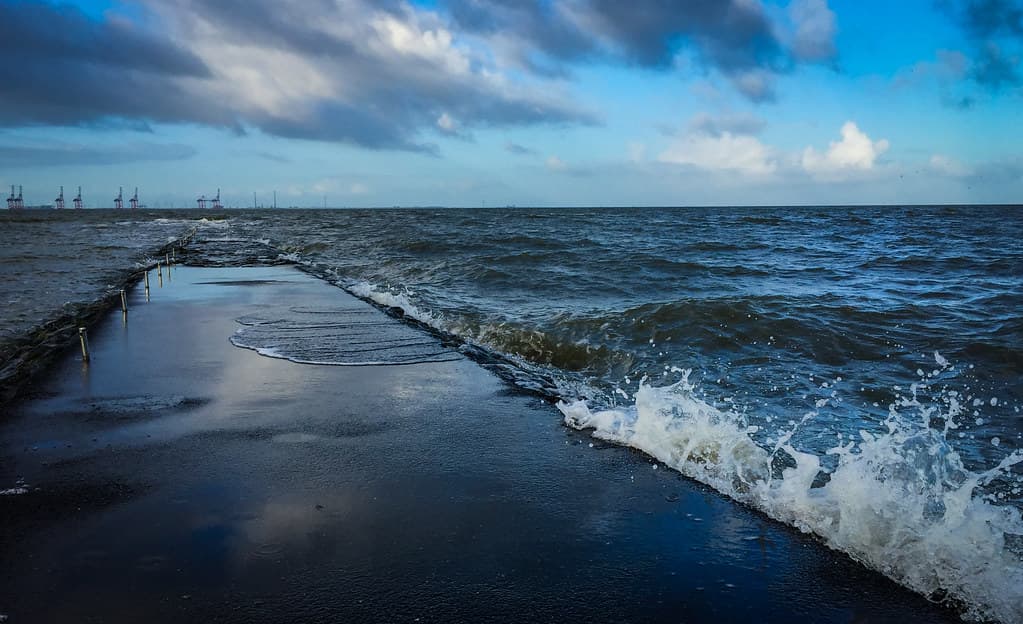
Swimming at Stollhamm Beach depends on tidal conditions, as the North Sea coast experiences significant tidal variations. During low tide, the water recedes considerably, leaving mudflats exposed. Check local tide tables before planning water activities. The calm waters during high tide are generally suitable for wading and shallow swimming, though supervision of children is essential. Be aware of strong currents in tidal areas and follow any posted safety guidelines.
The quietest periods are spring and autumn, ideal for those seeking peaceful coastal walks and sunset photography. Summer weekdays offer pleasant weather with fewer visitors compared to weekends. Winter brings dramatic North Sea scenery but colder temperatures. Visit during high tide for better water access, and plan around sunset for spectacular views across the rural landscape. Early mornings provide the most tranquil experience for nature observation.
Stollhamm Beach is located in rural Butjadingen and is best accessed by car. From Bremen, drive northwest approximately 70 kilometers via B212 and B437. Public transportation options are limited in this rural area, though regional buses serve Butjadingen from nearby towns. The beach is situated along the dike road, with parking available near the shore. Navigation apps will guide you to the coastal access points in Stollhamm village.
Stollhamm is a small rural area with limited dining options directly on-site. You'll find more restaurants and cafés in nearby villages within Butjadingen, serving traditional North German and seafood cuisine. Accommodation includes guesthouses, holiday apartments, and farm stays scattered throughout the Butjadingen peninsula. For broader choices, consider staying in larger nearby towns like Nordenham or Brake, which offer hotels and diverse dining options within a short drive.
Stollhamm Beach offers an authentic, uncommercialized coastal experience in a truly rural setting, far from typical tourist crowds. The beach sits along traditional dikes with expansive views across quiet marshlands and agricultural landscapes. It's ideal for those seeking solitude, birdwatching, and experiencing traditional North German coastal life. The lack of tourist infrastructure means you'll encounter mostly local visitors and enjoy unspoiled sunsets over the Jade Bay area.