Counting the waves…
Counting the waves…
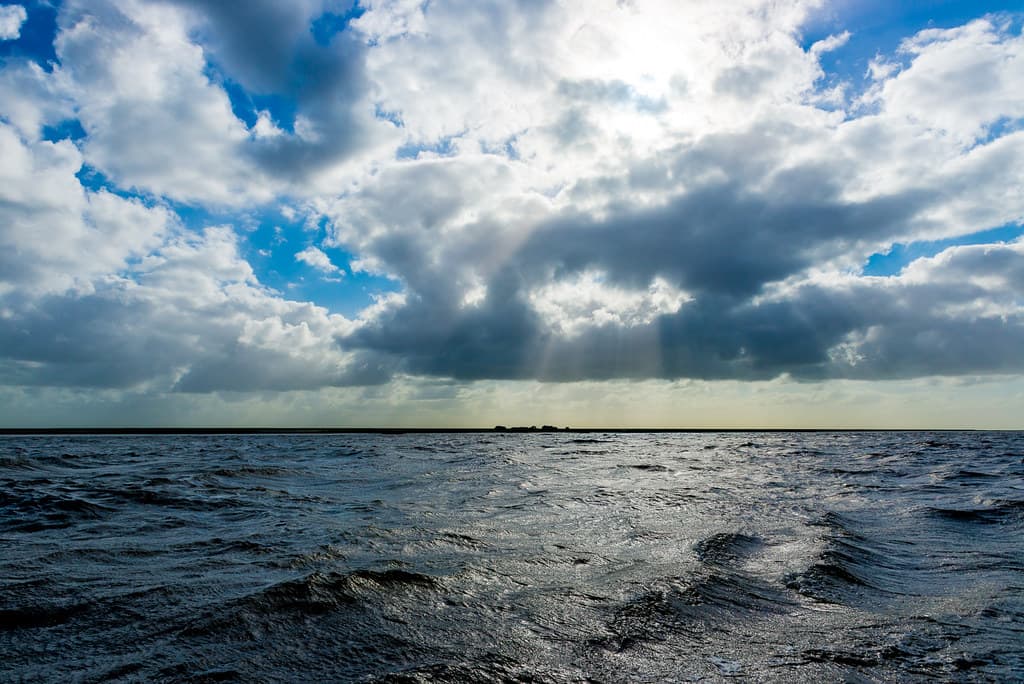
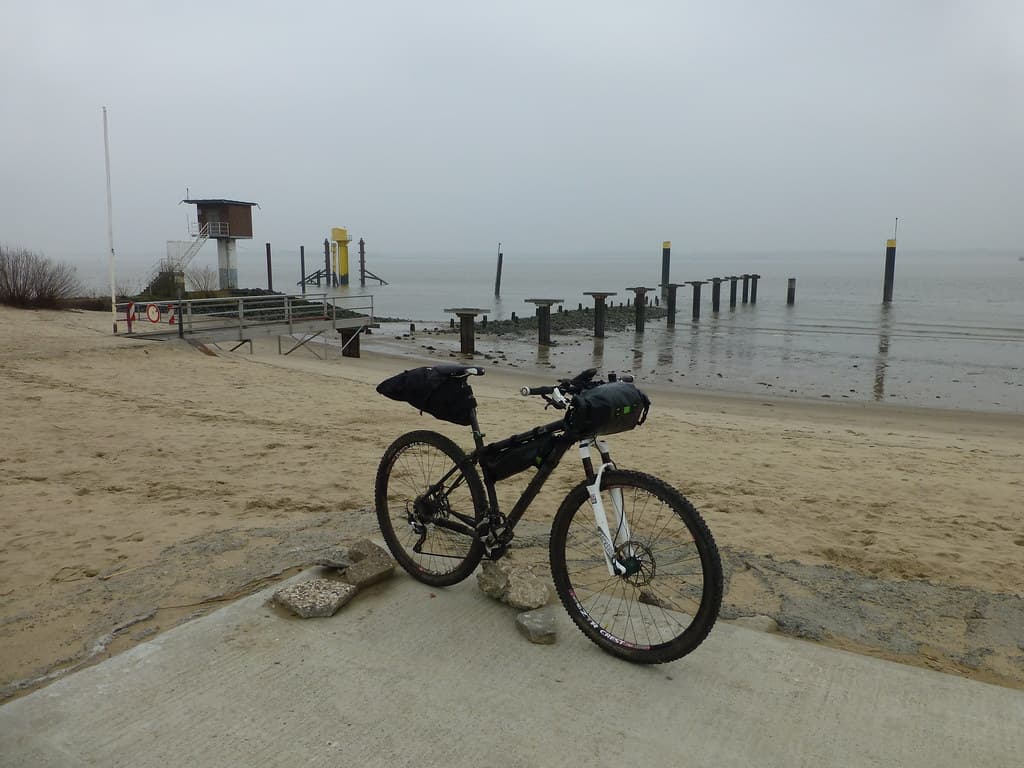
St. Margarethen Elbe Beach doesn't announce itself. You park near a farm road, follow a dirt track past grazing Holstein cows, and suddenly the landscape opens: a wide sandy strand facing the Lower Elbe where the river has already begun tasting saltwater on its journey to Cuxhaven and the sea. The opposite bank sits low and distant, industrial cranes tiny as toys. The sand holds a faint mineral scent, river silt rather than pure marine salt. You watch a container vessel lumber upstream toward Hamburg, riding high and empty, its hull rust-streaked and massive. Gulls pick at the tideline where the water has left offerings: driftwood, rope fragments, the occasional beer bottle from some upstream town. Behind you, the dike rises green and protective, shielding farmland that sits below sea level. Sunset is when locals arrive, farmers finished with evening chores, couples from the village walking dogs. The sky performs in Technicolor across that enormous estuary canvas—vermillion bleeding into violet, clouds backlit like burning embers. You taste the shift from day to dusk in the cooling air. This beach asks nothing of you except presence, offering in return a solitude that feels increasingly rare along Germany's crowded coasts.
Places, rentals, tours and events within walking and driving distance of St. Margarethen Elbe Beach.
Photos
Swimming at St. Margarethen requires significant caution as it's located on the Lower Elbe estuary with tidal currents, ship traffic, and variable water conditions. There are no lifeguards or safety facilities at this rural beach. The Elbe's currents can be strong, and water quality varies with river conditions. Most visitors use the beach for walking, relaxing, and nature observation rather than swimming. If you do wade or swim, stay very close to shore, check tide times, and be extremely vigilant. Children must be supervised constantly. This beach is better for contemplation than water sports.
The ideal visiting period is May through September when weather is mildest and daylight longest. As a hidden, minimally-visited beach, St. Margarethen offers solitude anytime during these months. Sunset hours are exceptional, with broad estuary skies creating memorable light displays. Visit during low tide to explore more exposed beach and mudflats. Early mornings provide peaceful birdwatching opportunities. The beach's budget-friendly nature and lack of crowds make it perfect for spontaneous visits. Avoid harsh winter weather. This is a year-round destination for those seeking quiet nature experiences.
St. Margarethen is a small village on the Lower Elbe in Schleswig-Holstein, approximately 60 kilometers northwest of Hamburg. The beach is best reached by car via B431 or local roads following the Elbe's northern bank. Look for St. Margarethen village, then navigate to the waterfront where informal parking may be available. Public transport is very limited in this rural area; buses may serve the village from regional hubs, but schedules are infrequent. From the village center, the beach is a short walk. Mapping apps help locate access points in this low-profile location.
St. Margarethen is a rural village with minimal tourist infrastructure. Expect no beach facilities, vendors, or services at the beach itself. The village may have a small local restaurant or guesthouse, but options are very limited. Bring all supplies including food, drinks, and sunscreen. For more comprehensive services and accommodations, look to larger nearby towns like Glückstadt or Brunsbüttel. Farm stays and rural bed-and-breakfasts in the Elbe marshland region offer authentic regional experiences. This beach suits budget-conscious day-trippers and those seeking unspoiled, uncommercial coastal access.
St. Margarethen offers a rare, completely uncommercialized river estuary beach experience with virtually no tourist traffic. The setting combines broad Elbe views, rural marshland character, and working river atmosphere with passing cargo ships. Wide estuary skies create exceptional light conditions and sunset viewing. The beach's complete absence from typical tourist itineraries guarantees solitude and authentic local atmosphere. It appeals to nature lovers, photographers, and travelers seeking undiscovered places. The landscape reflects traditional Lower Elbe farming and river culture. This is coastal Germany at its most genuine and peaceful, untouched by tourism development.