Counting the waves…
Counting the waves…

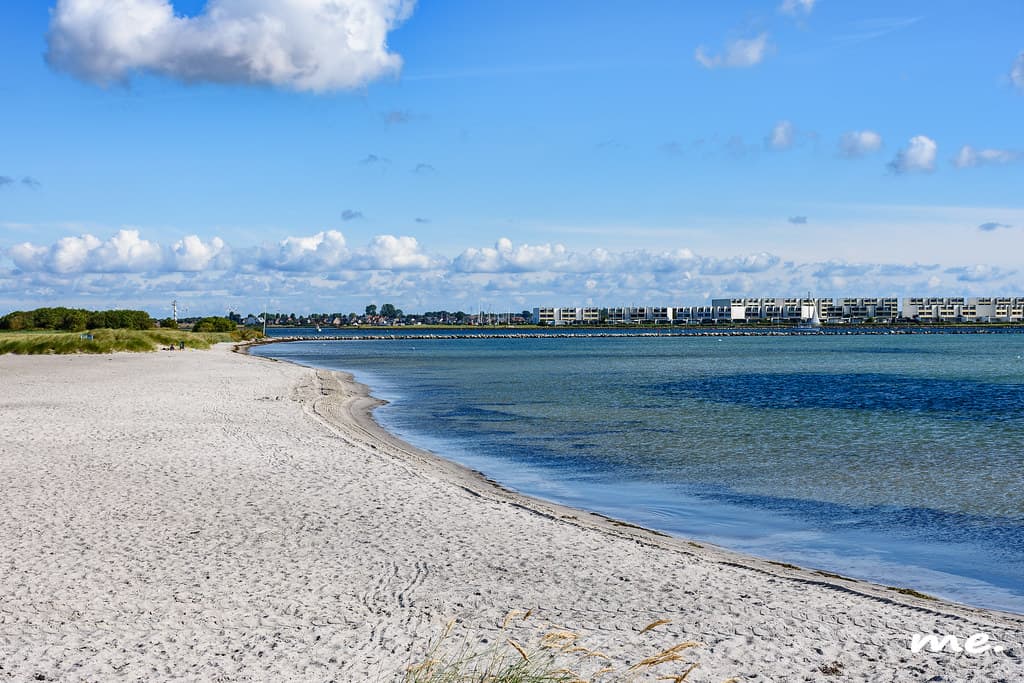
The shoreline here is built of stones—not sand. Gull-egg-sized pebbles in granite gray, flint black, and rust-streaked red clatter underfoot and shift with each wave. The Baltic runs deeper off this exposed point, drawing clearer water from offshore currents. On calm days the visibility extends three meters down, revealing fields of bladder wrack and the occasional school of sand eels flickering silver in the kelp. The lighthouse stands back from the eroding cliff, its red brick darkened by more than a hundred Baltic winters. A footpath winds through low scrub—sea buckthorn heavy with orange berries in autumn, wild roses gone to hips by September. The view east takes in the shipping lanes toward Fehmarn Sound Bridge, a steady procession of container vessels and Baltic ferries tracing the horizon line. Snorkelers enter carefully, water shoes essential against the tumbled rocks. Once past the shore break, the seabed reveals itself: boulders furred with algae, crabs scuttling into crevices, the occasional flounder puffing sand as it settles. The water stays bracingly cool even in July, fed by deeper offshore currents. After swimming, you'll find flat rocks warmed by the sun, perfect for stretching out while the breeze dries salt onto your skin and terns wheel overhead, diving for sprat.
Places, rentals, tours and events within walking and driving distance of Staberhuk Beach.
Photos
Swimming at Staberhuk Beach requires caution due to the pebble shoreline and occasional currents in the Baltic Sea. The water is generally clear and clean, making it suitable for swimming during calm weather. However, the rocky bottom can be uneven and slippery, so water shoes are recommended. There are no lifeguards on duty, so supervise children closely. The eastern location means the beach can experience stronger winds and waves, particularly during unsettled weather. Check local conditions before entering the water.
Staberhuk Beach is best visited during shoulder seasons or weekdays for fewer crowds, as its remote location naturally limits visitor numbers. Summer months from June to August offer the warmest weather and water temperatures, though the beach remains relatively peaceful even then. Early morning or late afternoon visits provide excellent light for photography, especially around the historic lighthouse. Spring and autumn can be beautiful for coastal walks, though swimming may be chilly. Avoid stormy weather when waves can be rough on this exposed eastern shore.
Staberhuk Beach is located on the eastern tip of Fehmarn Island in Schleswig-Holstein. From the mainland, cross the Fehmarn Sound Bridge and drive east through the island to Staberhuk village. The beach is accessible by car with limited parking near the lighthouse area. Cycling is popular on Fehmarn, and the route to Staberhuk offers scenic coastal views. Public transportation options are limited, so a car or bicycle is recommended. The beach is a short walk from the parking area through the coastal landscape.
Staberhuk is a small, remote area with limited facilities directly at the beach. Visitor amenities, restaurants, and cafes are sparse, so bringing your own food and drinks is advisable. Accommodation options are primarily found in nearby villages on Fehmarn Island, including vacation rentals, guesthouses, and campgrounds. The town of Burg auf Fehmarn, the island's main center, offers more dining and lodging choices and is within a short drive. Plan ahead and stock up on supplies before heading to this quieter, more isolated beach location.
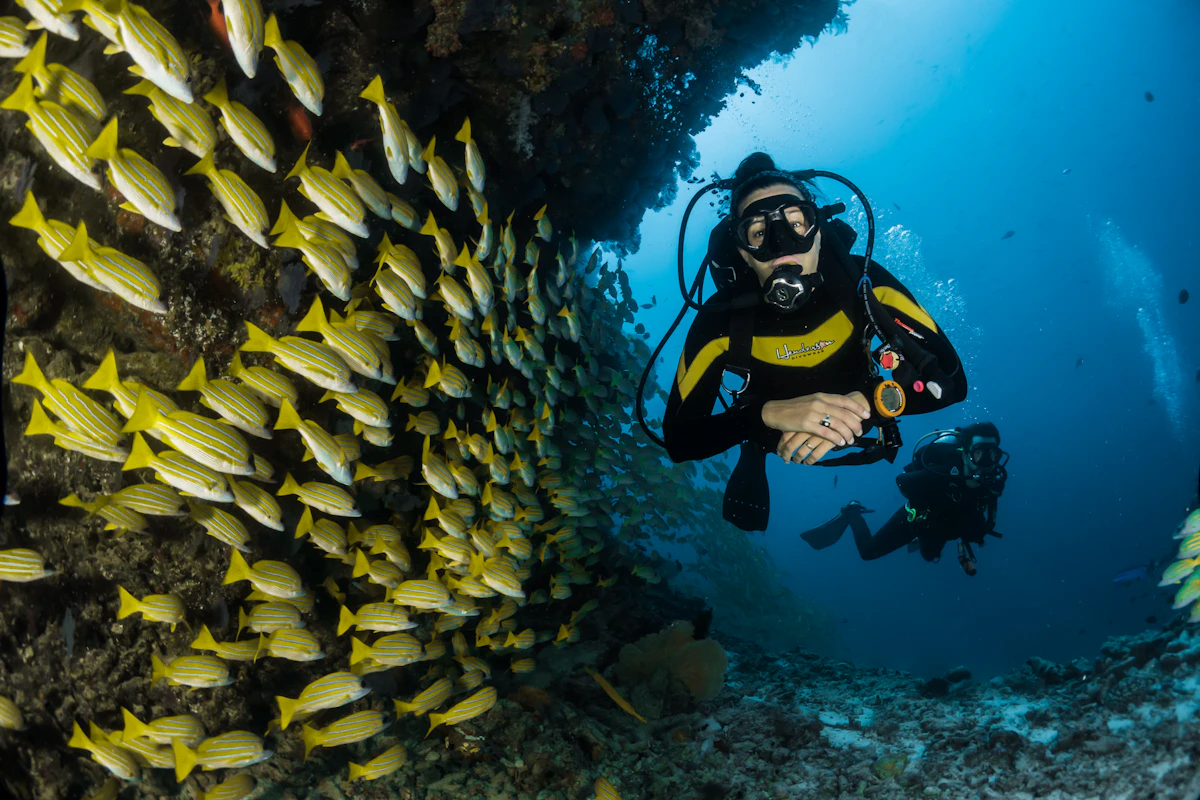
Staberhuk Beach's pebble bottom and clear Baltic waters create surprisingly good conditions for snorkeling compared to sandier beaches. The rocky substrate supports diverse marine life, including small fish, crabs, and underwater vegetation that thrive in the clearer water. The lighthouse scenery adds dramatic coastal character to your visit. Visibility tends to be better here than at sandy beaches where sediment clouds the water. Bring your own snorkeling gear, as rentals are not available at this remote location. The unique eastern exposure offers a rugged, less developed beach experience on Fehmarn.