Counting the waves…
Counting the waves…

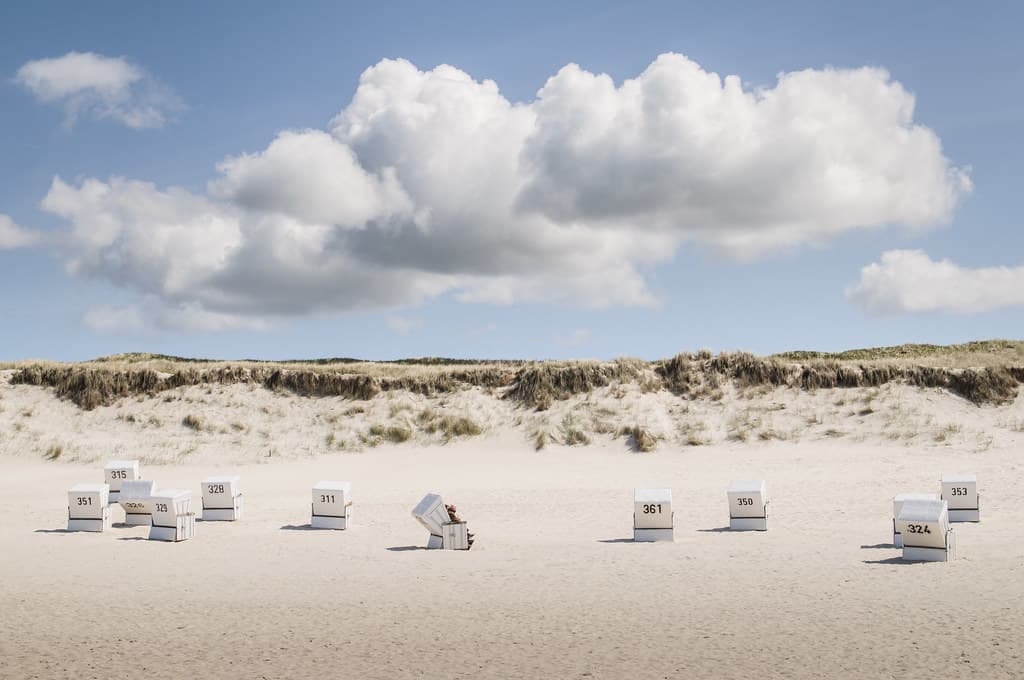
You emerge from the dunes onto sand the color of raw honey, still cool underfoot if you've arrived before noon. Rantum Beach unfolds in both directions, a sweeping crescent where the North Sea hammers the shore in rhythmic sets. Beach chairs—those iconic wicker Strandkörbe—punctuate the upper beach in neat platoons, their striped canopies snapping in the wind. But walk fifty meters in either direction and you'll claim your own patch of sand, unmarked except by the tracks of yesterday's tide. The dunes behind you rise fifteen meters high, their seaward faces carved into steep slopes by winter storms. Marram grass stitches the sand in place, and wooden fences zigzag up the dune faces to slow erosion. In June, the dunes erupt with yellow sand sedge and pink sea thrift. You'll smell salt and sunscreen in equal measure, hear the percussive snap of beach flags and the laughter of children digging moats around sandcastles already doomed by the incoming tide. Surfers bob beyond the break, waiting for head-high sets that roll in from the northwest. The water here stays brisk even in August—18°C on a generous day—but that doesn't stop swimmers from wading in past the sandbar where waves crest and topple. At low tide, the beach doubles in width, revealing firm sand perfect for jogging or cycling. Sunset paints the wet strand in molten amber, and the lighthouse at Hörnum winks on in the southern twilight.
Places, rentals, tours and events within walking and driving distance of Rantum Beach.
Photos
Rantum Beach offers generally safe swimming conditions, though the North Sea can produce moderate waves and currents. Families should stay within designated swimming zones during summer when lifeguards are present. The beach's position between protective dunes provides some shelter from strong winds. Water temperatures remain cool even in summer (16-19°C), so younger children may prefer shallow paddling. Always check local tide schedules and weather forecasts, as conditions can change quickly. The gradual slope makes it easier for children to wade, but supervision is essential.
The ideal visiting period runs from June through August when temperatures reach 18-22°C and daylight extends until late evening. July and August offer the warmest water and most reliable weather, though crowds increase significantly. May and September provide quieter alternatives with mild conditions suitable for beach walks and sunset viewing. Rantum Beach is particularly spectacular during golden hour year-round. Surfers often prefer autumn and spring for stronger swells. Note that North Sea weather remains unpredictable, so pack layers regardless of season.
Reach Sylt via the Hindenburgdamm causeway by train (DB Sylt Shuttle carries cars) from Niebüll on the mainland. From Westerland, Sylt's main town, Rantum is approximately 7 kilometres south. Regular buses connect Westerland to Rantum village throughout the day. Cycling is popular; rent bikes in Westerland and follow well-marked coastal paths (about 30 minutes). By car, follow signs to Rantum and use designated parking areas near the beach access points. The beach is a short walk from Rantum village centre through the dunes.
Rantum village offers several guesthouses, holiday apartments, and small hotels within walking distance of the beach. Dining options include traditional German restaurants serving fresh seafood and regional Frisian dishes. The nearby Sansibar beach restaurant (toward Hörnum) is famous but expensive. For more variety and budget options, Westerland (7km north) provides numerous hotels, restaurants, and supermarkets. Book accommodation well in advance for summer visits, as Sylt is extremely popular. Some beachside kiosks operate seasonally, offering snacks and drinks during peak months.
Rantum Beach stands out for its dramatic dune landscape and relative tranquility compared to busier Westerland. The beach sits on Sylt's narrowest point, where the island measures less than 500 metres wide, creating unique views of both North Sea and Wadden Sea. This location produces spectacular sunset vistas with unobstructed western horizons. The surrounding Rantum Basin nature reserve attracts birdwatchers and nature enthusiasts. The beach offers excellent surf conditions while maintaining a more relaxed, less commercial atmosphere than northern Sylt beaches, appealing to those seeking natural beauty.