Counting the waves…
Counting the waves…
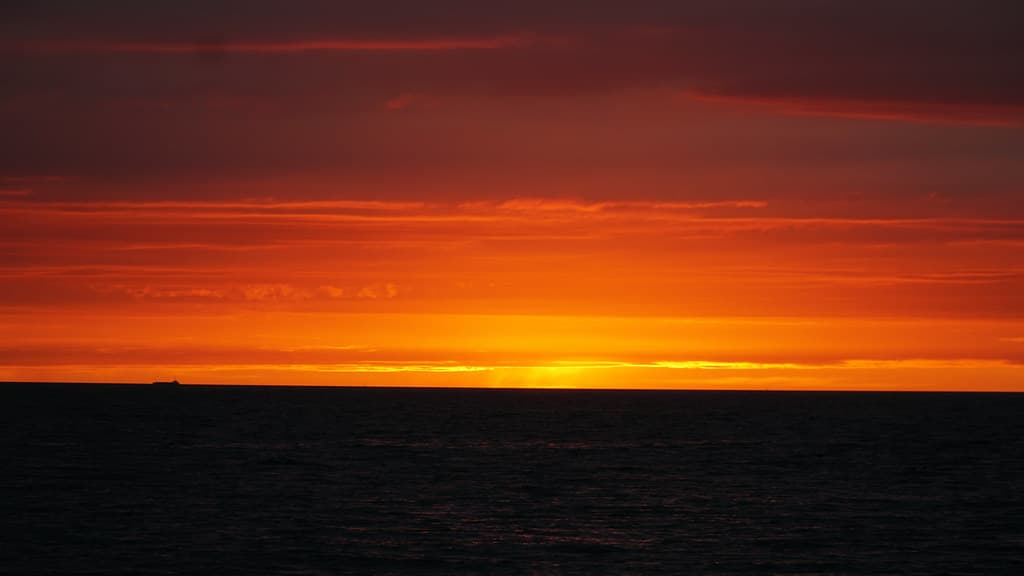
Approach from the village and the landscape announces its difference immediately: wind-bent trees lean permanently eastward, their shapes recording decades of prevailing weather. The lighthouse at Westermarkelsdorf has guided mariners since 1881, its beacon sweeping across waters that shift from cobalt to charcoal depending on cloud cover and time of day. Below, the beach stretches in both directions, less manicured than Fehmarn's tourist centers, marked by driftwood logs bleached silver and occasional amber hunters bent double, scanning the tideline. The sand here carries more texture—shell fragments, smooth pebbles, the occasional brick worn round by Baltic currents. Water entry is straightforward but the seabed slopes gradually, requiring a committed wade before you're swimming properly. Once beyond the break, you'll feel the pull of currents that connect this small island to the broader maritime system stretching to Finland and beyond. Strong swimmers relish the challenge; families with small children gravitate to calmer sectors near the village. Sunset transforms this beach into something almost mythical. The lighthouse assumes silhouette form as the descending sun sets the western sky ablaze—crimson bleeding to violet, reflected in the wet sand where receding tides create vast natural mirrors. Photographers arrive with tripods; couples walk the waterline; solitary figures sit atop driftwood thrones watching day surrender to night. The wind never quite stops, but in evening's golden hour it gentles enough to hear the rhythmic percussion of waves against shore, a sound older than nations.
Places, rentals, tours and events within walking and driving distance of Westermarkelsdorfer Strand.
Photos
Westermarkelsdorfer Strand is generally safe for swimming during calm weather, though the west-coast location means it can experience stronger waves and currents compared to sheltered Baltic beaches. The beach is unguarded, so swimmers should exercise caution and monitor weather conditions. The sandy bottom slopes gradually, making it suitable for confident swimmers. Check local wind forecasts before entering the water, as westerly winds can create choppy conditions. Families with small children should supervise closely and stay in shallow areas.
The best time to visit is May through September for warm weather and swimming, with July and August being peak season but also most crowded. For fewer crowds while still enjoying pleasant conditions, visit in May, June, or September. The beach's western exposure makes it exceptional for sunset viewing throughout summer. Shoulder seasons offer solitude and dramatic coastal scenery, though water temperatures are cooler. Windy days attract surfers and kite enthusiasts. Early mornings year-round provide peaceful beach walks with lighthouse views.
Westermarkelsdorfer Strand is located on Fehmarn Island in northern Germany. Reach Fehmarn by car via the Fehmarnsund Bridge from the mainland, approximately 90 minutes from Lübeck or 2 hours from Hamburg. Once on the island, follow signs to Westermarkelsdorf village on the western coast. Limited parking is available near the beach. Public buses connect major island towns, though service may be infrequent. Cycling is popular on Fehmarn, with bike paths leading to Westermarkelsdorf from other island locations.
Westermarkelsdorf village offers limited dining and lodging options, including guesthouses, holiday apartments, and small cafés serving regional German and seafood dishes. For more extensive amenities, the larger town of Burg auf Fehmarn is approximately 15 minutes away by car, offering supermarkets, restaurants, and diverse accommodations. Many visitors stay in vacation rentals throughout the island and visit this beach for its remote character. During summer, small seasonal kiosks may operate near the beach. Bringing picnic supplies is advisable for extended beach days.
The lighthouse provides a distinctive backdrop that defines Westermarkelsdorfer Strand's character and makes it easily recognizable. This landmark creates excellent photo opportunities, especially during sunset when the western sky illuminates behind it. The lighthouse setting contributes to the beach's remote, windswept atmosphere typical of Fehmarn's western coast. While the lighthouse itself may have restricted access, it serves as a navigational beacon and cultural landmark. The combination of lighthouse, dunes, and open Baltic Sea creates a quintessentially northern German coastal scene that attracts photographers and nature lovers.