

Counting the waves…
Counting the waves…
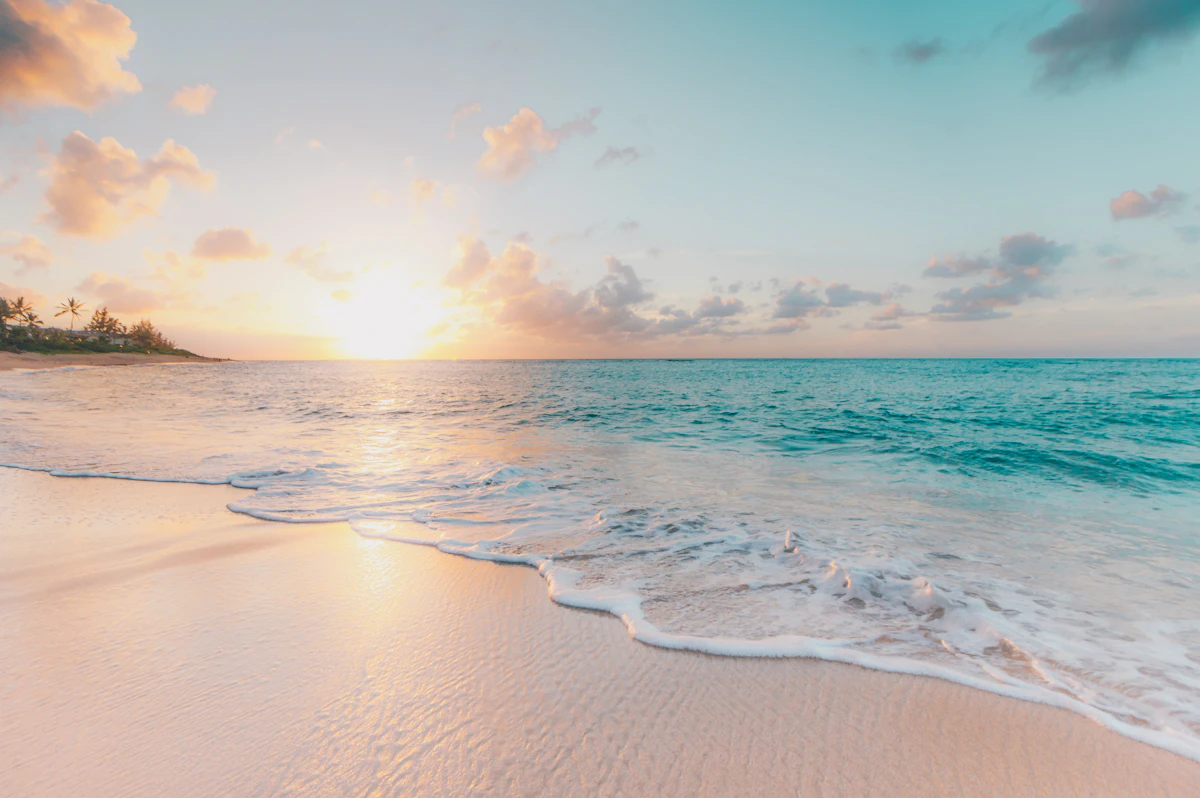
East of Keta, Kedzi Beach unfurls as a narrow spit, a geographical marvel shaped by the relentless push and pull of the Volta Lagoon and the Atlantic's embrace. Here, the sand feels firm underfoot, a canvas for the intricate patterns left by receding tides and the occasional crab scuttling for cover. The horizon is a blur of cerulean, punctuated by the silhouettes of fishing canoes, their vibrant paint faded by sun and salt. Walk the length of this slender strip, and you'll witness the ingenious sea defenses, a testament to the community's fight against erosion, blending seamlessly with the natural landscape. The air carries the scent of brine and drying fish, a constant reminder of the livelihood that pulses through this place. Children chase the foamy edges of the waves, their laughter carried on the breeze, while elders mend nets under the shade of sparse palms. Kedzi offers a unique perspective on coastal life in Ghana, where the lagoon's calm waters provide a stark contrast to the ocean's raw power. It's a place for quiet contemplation, for observing the intricate dance between land and sea, and for connecting with a community deeply rooted in its aquatic surroundings.
Places, rentals, tours and events within walking and driving distance of Kedzi Beach.
Photos
Swimming conditions at Kedzi Beach can be challenging due to strong Atlantic currents and undertows common along Ghana's Volta coast. The beach lacks lifeguards and formal safety infrastructure. Local fishermen may offer advice on safer swimming times, typically early morning when waters are calmer. Always exercise caution, stay close to shore, and avoid swimming alone. Check with your accommodation about current conditions, and be mindful that the narrow spit geography can create unpredictable wave patterns where lagoon meets ocean.
Kedzi Beach is accessible year-round, with the dry season from November to March offering the most pleasant weather with less humidity and minimal rainfall. The beach experiences fewer crowds throughout the year compared to more commercialized destinations, making it ideal for those seeking solitude. Mornings provide the best light for photography and cooler temperatures for sunbathing. Avoid the peak rainy season from May to June when roads may become difficult to navigate and beach activities are limited by weather.
Kedzi Beach is approximately 160 kilometers east of Accra, requiring a 3-4 hour journey. From Accra, take a bus or shared taxi to Keta town, which is well-connected via the coastal road. From Keta, hire a local taxi or motorbike to Kedzi village, located a few kilometers east along the coastal spit. The roads are generally paved to Keta but may deteriorate closer to Kedzi. Alternatively, private car hire from Accra offers more flexibility and comfort for exploring this less-touristed area.
Kedzi itself has very limited accommodation and dining options, being a small fishing community. Most visitors base themselves in nearby Keta town, about 5-10 kilometers away, which offers guesthouses, small hotels, and local restaurants serving fresh seafood and Ghanaian dishes. Budget travelers will find basic lodging and street food stalls. For meals near the beach, you may encounter local women selling grilled fish, kenkey, and other traditional foods. Bring cash, as card facilities are rarely available in this remote area.
Kedzi Beach's distinction lies in its narrow spit geography, sandwiched between the Atlantic Ocean and the Keta Lagoon, creating dramatic dual-water landscapes. The beach is shaped by extensive sea defense structures built to combat coastal erosion, offering insight into Ghana's environmental challenges. Active fishing operations provide authentic cultural encounters, with colorful pirogues lining the shore and fishermen hauling daily catches. The relative isolation means you'll experience genuine local life away from tourist development, with opportunities to observe traditional Anlo-Ewe coastal culture firsthand.