
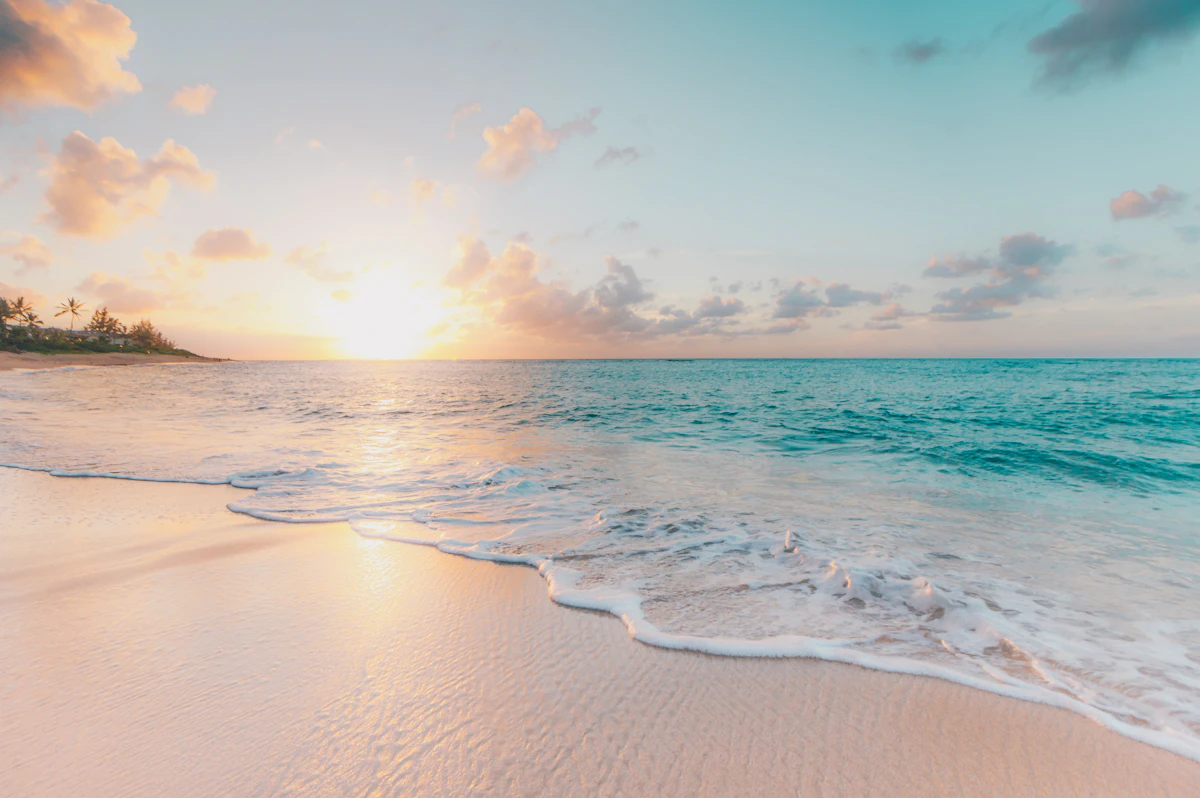
Counting the waves…
Counting the waves…
Whuti Beach, often overlooked in favor of Keta's more prominent stretches, holds a quiet charm that beckons those seeking authenticity. Here, the expanse of golden sand meets the frothy Atlantic, creating a dynamic canvas where life unfolds with an unhurried grace. The air is thick with the scent of salt and the subtle aroma of woodsmoke from nearby cooking fires, a testament to the community's daily rituals. Along the shoreline, a colorful fleet of fishing canoes rests, their hulls painted with symbols and names that tell their own stories. Fishermen mend their nets, their hands moving with practiced ease, while children splash in the shallows, their laughter echoing against the waves. The beach is a hub of activity, yet it maintains a serene atmosphere, a place where the rhythm of the ocean dictates the pace of life. This is a beach for observation, for soaking in the local culture, and for appreciating the simple beauty of a community deeply intertwined with the sea. Whuti offers a chance to connect with the genuine spirit of Ghana's coast, far from the tourist throngs, providing a memorable experience rooted in real-life encounters and natural splendor.
Places, rentals, tours and events within walking and driving distance of Whuti Beach.
Photos
Whuti Beach presents the same swimming challenges found along Ghana's Volta coastline, including strong currents, undertows, and unpredictable waves. The beach lacks lifeguards, safety equipment, and marked swimming areas. Local fishermen are your best resource for understanding current conditions and identifying relatively safer spots and times for entering the water. Early mornings generally offer calmer seas. Always remain cautious, stay within your depth, avoid swimming alone, and supervise children closely. Many visitors choose to paddle or wade rather than swim, enjoying the beach primarily for walking and cultural observation.
The optimal visiting period for Whuti Beach is during Ghana's dry season, particularly November through March, when rainfall is scarce and temperatures are more moderate. The beach sees minimal tourist traffic year-round, making it perfect for budget travelers and those seeking less crowded coastal experiences at any time. Early morning visits coincide with peak fishing activity, offering cultural insights as boats return with catches. The rainy season from April to June can make access roads challenging and limit beach enjoyment. Weekdays typically offer even greater solitude than weekends.
Whuti Beach is located along the Volta coast between Keta and Denu, approximately 170-180 kilometers east of Accra. Travel to Keta town first via bus or shared taxi from Accra, a journey of 3-4 hours. From Keta, hire a local taxi or motorbike eastward to Whuti village, adding another 20-30 minutes. The main Keta-Aflao road is paved, but roads into the village may be unpaved and rough. From Ho, travel via Dabala to Keta, then east to Whuti. Private vehicle hire provides easier access to this small, less-touristed community.
Whuti is a small fishing village with extremely limited tourist infrastructure, offering few if any formal accommodation options. Most visitors stay in Keta or Denu, both within reasonable distance and offering guesthouses, small hotels, and local restaurants. In Whuti itself, you may find local food sellers preparing fresh fish, kenkey, and simple Ghanaian meals near the beach or in the village. For reliable meals and lodging, plan to base yourself in a larger nearby town. Bring sufficient cash, drinking water, and snacks, as amenities are minimal in this authentic fishing community.
Whuti Beach stands out for its genuine, unvarnished fishing village character, largely overlooked by tourism in favor of better-known Keta beaches. This obscurity ensures authentic local experiences where fishing remains the primary economic activity and visitors are rare. The beach offers intimate glimpses into traditional coastal livelihoods, from boat building to net repair, fish smoking, and daily catches being sorted on the sand. The lack of development means pristine, untouched stretches of coast with genuine community interactions. For travelers seeking undiscovered destinations and cultural authenticity over tourist amenities, Whuti delivers genuine Volta coastal life.