Counting the waves…
Counting the waves…

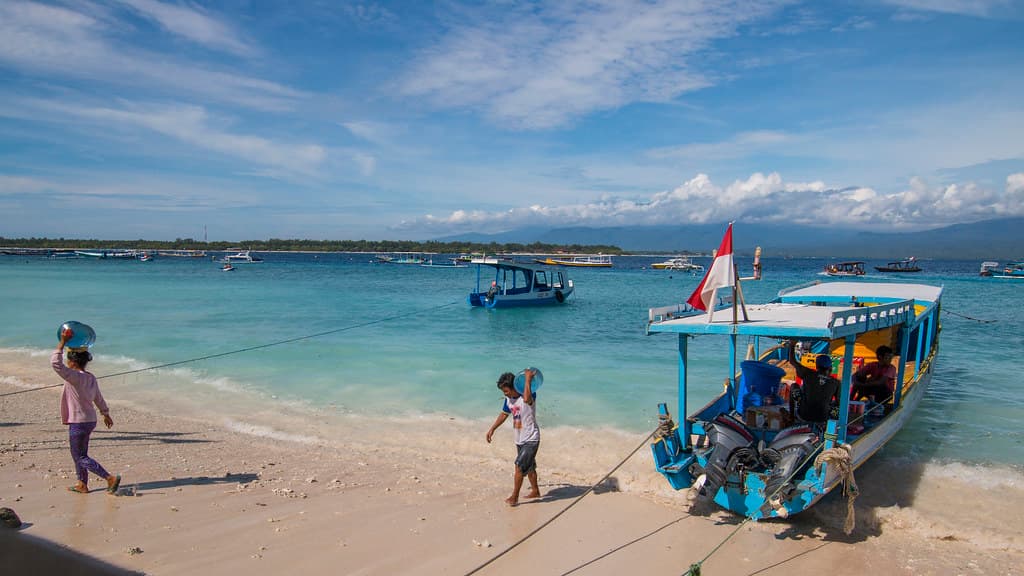
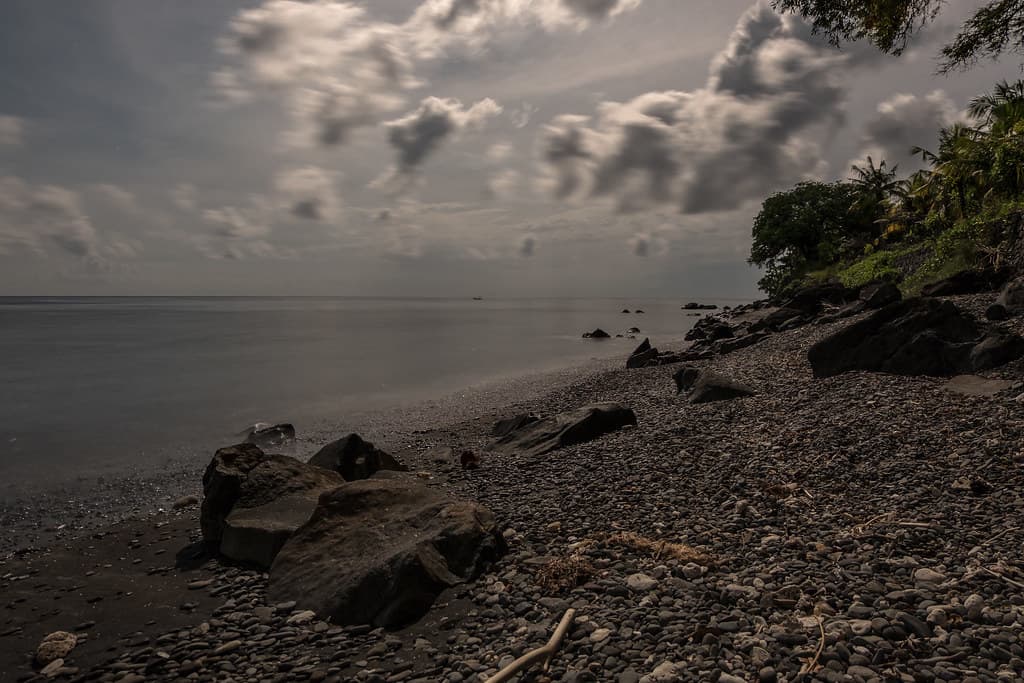
Amed isn't a single beach but a seven-kilometer crescent of fishing villages strung along Bali's northeastern shoulder, each cove fringed with dark sand and jukung outriggers painted in primary colors. You'll arrive to find locals mending nets beside beachfront warungs, the air thick with salt and grilled fish. The water here lacks the turquoise punch of southern Bali—it's deeper, moodier, the kind of blue-gray that shifts with cloud cover and current. What draws you underwater is immediate: coral walls begin in waist-deep water, descending into drop-offs thick with butterfly fish, lionfish, and the occasional blacktip reef shark. The Japanese Shipwreck, a World War II cargo vessel, rests in shallow water just offshore, its rusted hull now colonized by hard corals and schooling jacks. You'll share these sites with more turtles than tourists—green sea turtles graze the algae-covered bommies with an indifference to snorkelers that borders on comical. Sunrise here is a ritual. The volcano looms directly west, its symmetrical cone backlit in shades of amber and violet as fishing boats motor out in silhouette. By mid-morning the beach empties, the heat pressing down, leaving you to float above gardens of staghorn and table coral in water so still you can hear the parrotfish crunching.
Places, rentals, tours and events within walking and driving distance of Amed Beach.
Photos
Amed Beach is generally safe for swimming and snorkeling, with calm waters protected by offshore reefs. Conditions are typically best early morning before winds pick up. The beach features gentle entry points ideal for beginners, though some areas have rocky sections and occasional currents. Always snorkel with a buddy and stay close to shore if you're inexperienced. The main snorkeling spots near the Japanese Shipwreck and coral gardens have minimal currents. Local dive shops offer guided snorkeling tours if you prefer professional supervision. Check conditions locally before entering the water.
Amed Beach is accessible year-round, with dry season (April to October) offering the calmest seas and best underwater visibility for snorkeling and diving. However, Bali's east coast receives less rainfall than the south, making Amed viable even during wet season (November to March). Mornings provide the calmest water conditions and stunning sunrise views, as the beach faces east. Visibility underwater is typically excellent from April through November. For the best experience, visit during shoulder months like May, June, or September when weather is ideal and crowds are smaller.
Amed Beach is located approximately 2.5-3 hours drive from Ngurah Rai Airport in southern Bali. You can reach it by renting a scooter or car, hiring a private driver, or taking a combination of public buses (though this requires transfers). The coastal road through Amed village provides easy access to various beach points. Parking is available along the beachfront road and at hotels, restaurants, and dive centers—most offer free parking for customers. The road can be narrow in sections, so drive carefully and arrive early during peak season for easier parking.
Amed has evolved from a fishing village into a relaxed resort area with diverse accommodation options ranging from budget guesthouses to boutique beachfront resorts. Numerous warungs (local eateries) and restaurants line the beach road, serving fresh seafood, Indonesian cuisine, and international dishes with ocean views. Most establishments cater to divers and snorkelers with early breakfast options. You'll find dive shops, small markets, and tour operators throughout the village. While less developed than southern Bali, Amed provides all essential amenities while maintaining its laid-back, authentic character. Most accommodations are within walking distance of the beach.
Yes, the Japanese shipwreck is one of Amed's most popular snorkeling sites, located just offshore in shallow water (3-12 meters deep). The wreck is a small patrol boat from World War II, now encrusted with coral and home to diverse marine life. It's easily accessible by swimming from shore or via short boat ride organized by local operators. The site is suitable for snorkelers of various skill levels, though visibility varies by season and conditions. You'll likely see colorful reef fish, soft corals, and occasionally larger species. Early morning visits offer the best visibility and calmest conditions.