Counting the waves…
Counting the waves…

The drive from Jakarta takes five hours, winding through rice paddies and coconut groves before the asphalt narrows to a single lane hugging the coast. When you finally step onto Sawarna's charcoal-dark sand, the roar of the surf drowns out every other sound. The beach curves for nearly two kilometers, bookended by jagged limestone formations that glow amber in late-afternoon light. Surfers claim the southern end, where consistent left-hand breaks peel across shallow reef. You'll watch local fishermen haul nets at dawn, their wooden outriggers painted in fading primary colors, while goats wander freely between the handful of guesthouses set back from the high-tide line. The water stays warm year-round, hovering near 28 degrees Celsius, though the undertow demands respect. As the sun drops behind the headland, the entire coastline ignites—first tangerine, then deep magenta. Vendors grill fresh snapper over coconut husks, the smoke mingling with frangipani blooms from roadside trees. There are no beach clubs here, no jet skis, no thumping speakers. Just the rhythm of waves, the crunch of volcanic sand underfoot, and the rare pleasure of a Javanese beach that still feels like a secret worth keeping.
Places, rentals, tours and events within walking and driving distance of Sawarna Beach.
Photos
Swimming conditions at Sawarna Beach vary depending on which bay you visit. The main Sawarna Beach can have strong currents and powerful waves, making it more suitable for experienced surfers than casual swimmers. Nearby Tanjung Layar and Puncak Guha beaches offer calmer waters better suited for swimming. Always check local conditions before entering the water, avoid swimming alone, and be particularly cautious during monsoon season when waves are significantly larger. Local guides can advise on the safest spots for swimming on any given day.
Sawarna Beach can be visited year-round, though conditions vary by season. The dry season from April to October offers the most reliable weather with calmer seas, ideal for swimming and beach activities. Surfing is best during the wet season (November to March) when swells are larger, though rain showers are more frequent. Weekdays are less crowded than weekends when domestic tourists visit. Sunrise and sunset are particularly spectacular regardless of season, making early morning or late afternoon visits worthwhile throughout the year.
Sawarna Beach is approximately 230 kilometers from Jakarta, requiring 5-7 hours by road. The most common route is driving south through Serang and Pandeglang, then following signs to Sawarna village. Public transportation options include buses from Jakarta's Kalideres terminal to Labuan, then continuing by local minibus (angkot) to Sawarna. The final stretch involves winding roads through rural areas. Having your own vehicle or hiring a driver is recommended for flexibility. Limited parking is available near the beach, typically free or for a small fee at guesthouses.
Sawarna offers modest but adequate facilities for travelers. Accommodation ranges from simple homestays to basic guesthouses and small beach resorts, mostly family-run with limited amenities. Advance booking is recommended for weekends and holidays. Local warungs (small restaurants) serve Indonesian dishes including fresh seafood, fried rice, and noodles at affordable prices. Don't expect luxury dining or international cuisine. Small shops sell basic supplies, but bring any specialty items you need. The area maintains a relaxed, undeveloped charm compared to more commercialized Indonesian beach destinations.
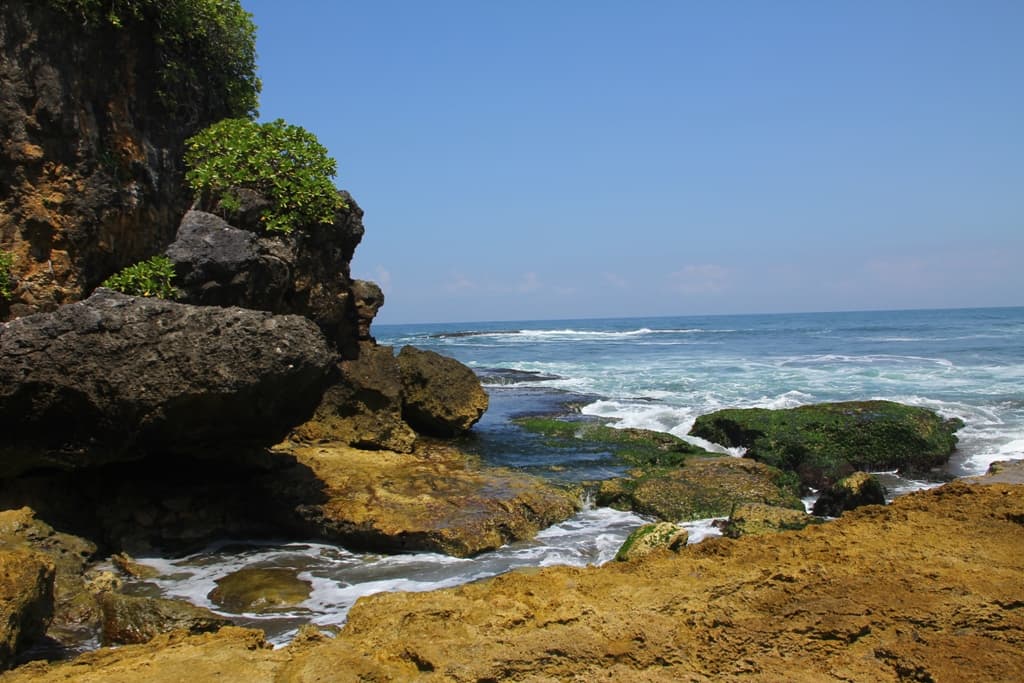
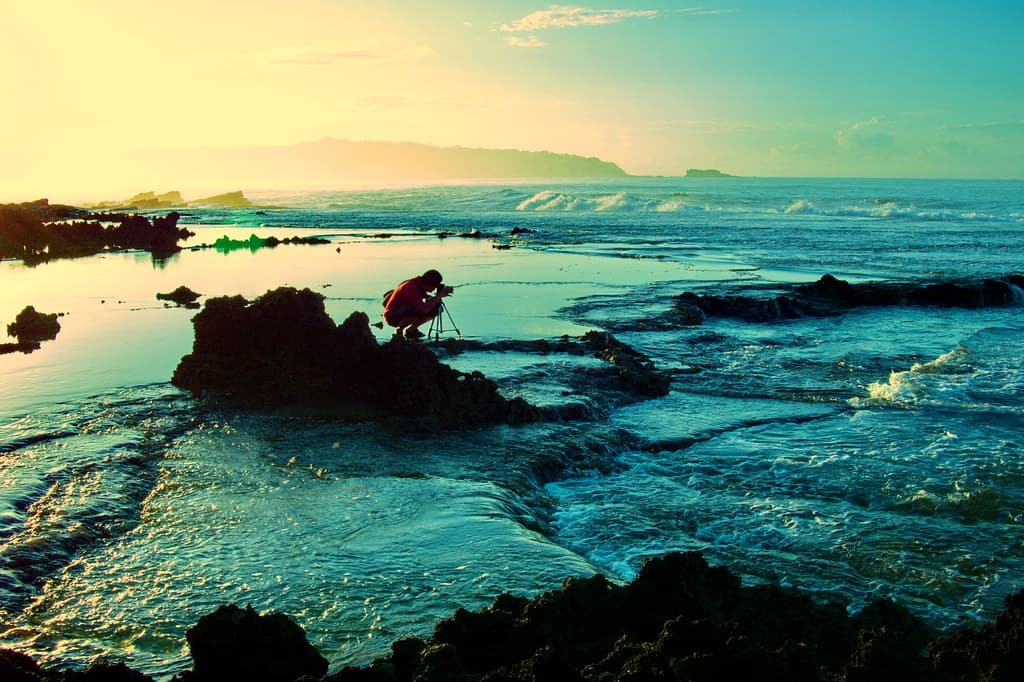
Sawarna's coastline features distinctive geological formations including sea caves and dramatic limestone cliffs, particularly at Tanjung Layar (meaning 'Sail Cape'), where towering rock formations resemble traditional sailing boats. These natural landmarks create stunning photography opportunities, especially during sunset. Some caves are accessible during low tide and can be explored with local guides. The rugged coastal landscape sets Sawarna apart from typical Indonesian beach destinations. The combination of surf-worthy waves, pristine beaches, and unique rock formations makes it a favored spot for adventurous travelers seeking relatively undiscovered coastal scenery.