Counting the wavesβ¦

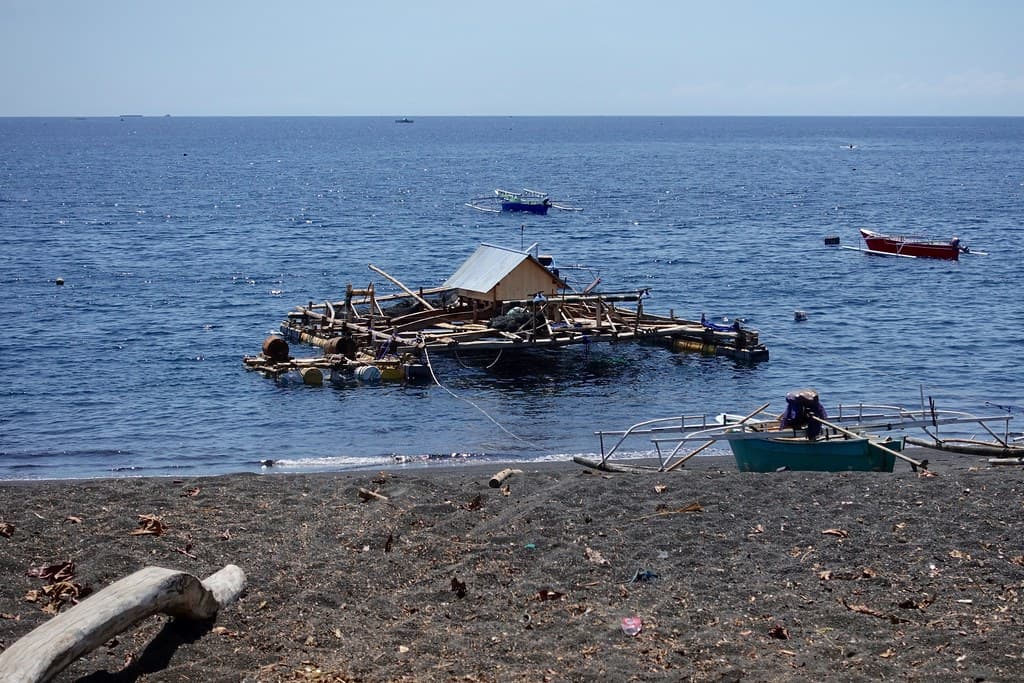
The boat ride from Alor Kecil takes forty minutes if the wind cooperates, longer if it doesn't. You'll pass fishing platforms built from driftwood and rope, their owners waving as your hull slices through water so clear you can count the ridges on giant clams three fathoms down. Kepa Island rises aheadβa thumbprint of green fringed by a beach the color of cooled lava, the volcanic geology of the Banda arc written in every grain. The shallows here glow turquoise over white sand patches, deepening to indigo where the reef drops away. Coconut palms tilt at improbable angles, their roots clutching the slope behind the beach. A family of chickens scratches near the boat landing. This is Indonesia at its least scripted: no warungs offering cold Bintang, no sarong vendors, just the hum of cicadas and the occasional splash of a kingfisher diving for silversides. You'll share the beach with fishermen hauling hand lines and maybe a grandmother gathering shells for lime paste. The reef begins ten strokes from shore, alive with parrotfish and schools of fusiliers that move like silver curtains. When the sun drops behind Pantar's volcanic spine, the entire strait turns rose-gold, and you'll understand why this pocket of East Nusa Tenggara remains unindexed by the usual travel machinery.
Places, rentals, tours and events within walking and driving distance of Kepa Island Beach.
Photos
Swimming conditions at Kepa Island Beach are generally calm due to its sheltered position, making it suitable for most swimmers. However, as with any remote island beach, conditions can vary with tides and weather. There are no lifeguards on duty, so swim at your own risk and stay alert to changing conditions. The beach has minimal development, meaning medical facilities are not immediately accessible. Check with local boat operators about current conditions before swimming, and avoid venturing too far from shore without proper safety equipment.
Kepa Island Beach can be visited year-round, though the dry season from April to November typically offers the best conditions with calmer seas and clearer skies. East Nusa Tenggara experiences less extreme wet season variation than other Indonesian regions, making visits possible even during December to March. For optimal weather and sea conditions, plan your trip between May and October. Keep in mind that boat access depends on sea conditions, so always confirm departure schedules with operators, especially during the transitional months of March-April and November-December.
Reaching Kepa Island Beach requires taking a boat from Alor Kecil or nearby ports in the Alor archipelago. You'll first need to fly to Mali Airport in Alor, then arrange ground transportation to the departure point. Local boat operators or fishing vessels can be chartered for the crossing, though scheduled services may be limited due to the beach's remote nature. Journey time varies depending on your departure point but typically ranges from 30 minutes to an hour. It's advisable to arrange boat transport through your accommodation or local tour operators in advance.
Kepa Island Beach is extremely remote with minimal to no commercial facilities directly on-site. Visitors should not expect restaurants, shops, or formal accommodations on the island itself. Most travelers visit as a day trip, bringing their own food, water, and supplies from Alor Kecil or other larger settlements in the region. For overnight stays, you'll need to arrange homestays or basic lodging in nearby villages, which may offer simple meals. Always pack sufficient drinking water, snacks, and sun protection, as purchasing supplies on or near the island is unlikely.
Kepa Island Beach stands out for its untouched, hidden character in an already remote region of Indonesia. Unlike more developed beaches, it offers authentic isolation and pristine natural beauty with minimal tourist infrastructure or crowds. The beach provides an opportunity to experience traditional island life in East Nusa Tenggara without modern tourist amenities. Its location in the Alor archipelago means you'll likely have the beach largely to yourself, offering exceptional privacy and unspoiled coastal scenery that's increasingly rare in Southeast Asia's more accessible beach destinations.