Counting the waves…
Counting the waves…

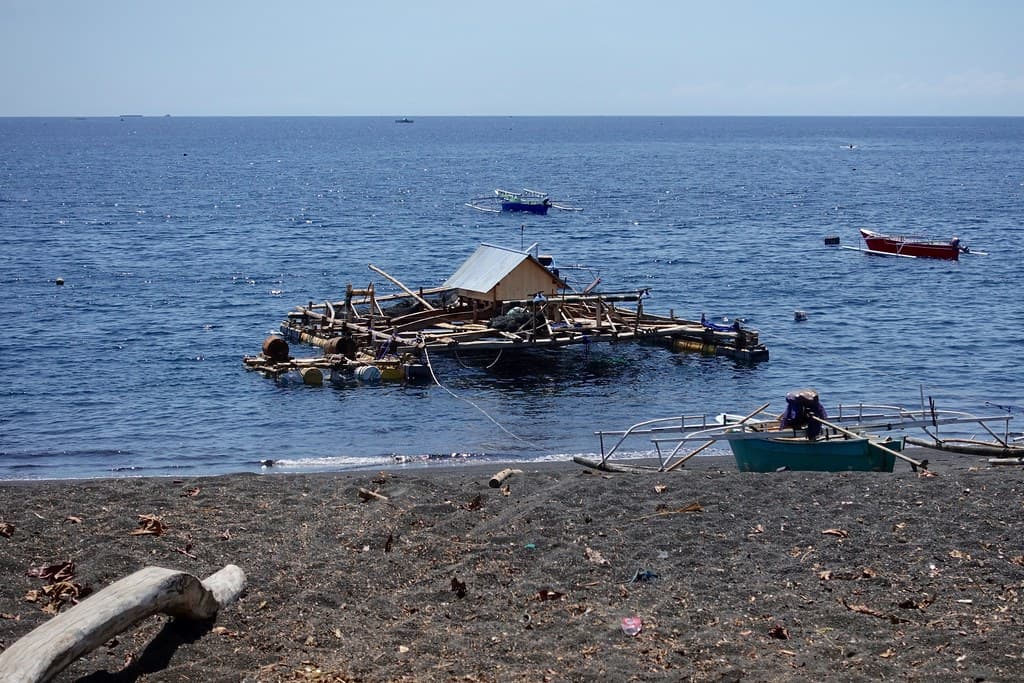
Maimol Beach arcs along the northern coast of Alor Island, a crescent of charcoal sand pressed against limestone cliffs draped in frangipani. The shoreline is quiet—no sun loungers, no touts selling sarongs—just the rhythmic slap of wooden boats against their moorings and the occasional motorbike puttering down the dirt track from Kalabahi town. You spread your towel beneath a lontar palm and notice the water: impossibly transparent, shifting from jade near the sand to cobalt where the reef shelf drops away. The real theater begins underwater. You adjust your mask and kick out past the shallows, where the seafloor transforms into a living sculpture garden. Table corals the size of dining sets host schools of sergeant majors; anemones pulse in the current, their clownfish darting in and out like anxious hosts. Green sea turtles cruise the drop-off, unbothered by your presence, their flippers stroking with the slow confidence of locals who know they own the place. The reef runs parallel to shore for nearly half a kilometer, shallow enough that you barely need to dive. Back on land, the village of Maimol feels unchanged by tourism's reach. Women weave ikat textiles under stilted houses; smoke from grilled skipjack drifts from beachside warungs. You rinse saltwater from your hair using a plastic dipper and a concrete trough, then sit on a driftwood log with a plate of sambal-slicked fish, watching the sun sink behind Pantar Island across the strait.
Places, rentals, tours and events within walking and driving distance of Maimol Beach.
Photos
Maimol Beach generally offers calm waters suitable for swimming and snorkeling, particularly during dry season months. The beach's protected location helps minimize strong currents, making it relatively safe for water activities. However, always assess conditions upon arrival, as weather patterns can change. The underwater visibility is typically good for snorkeling, with coral formations close to shore. Since this is a more remote beach, there are no lifeguards on duty, so exercise caution and never swim alone. Check with locals about current conditions before entering the water.
Maimol Beach can be visited year-round due to East Nusa Tenggara's relatively dry climate, though May through October offers the most favorable conditions. These dry season months provide calmer seas, better underwater visibility for snorkeling, and less rainfall. The wet season (November-April) brings occasional tropical showers but rarely prevents beach visits entirely. Water temperatures remain warm throughout the year. For optimal snorkeling conditions with clearest water, visit during the driest months of July through September when rainfall is minimal and winds are lighter.
Maimol Beach is accessible from Kalabahi, the main town on Alor Island. You'll typically need to arrange local transportation such as a rental motorbike or hire a driver, as public transport options to this beach are limited. The journey involves traveling along coastal roads that may be rough in sections. Given the beach's hidden nature, it's advisable to ask locals for directions or use GPS coordinates. Parking facilities are basic or informal near the beach. Consider arranging round-trip transportation in advance, especially if visiting as a day trip.
Maimol Beach is relatively undeveloped with limited on-site facilities. You're unlikely to find restaurants or warungs directly at the beach, so bringing your own food, drinks, and snacks is highly recommended. Basic accommodations are more readily available in Kalabahi town rather than beachside. Some visitors choose to day-trip from Kalabahi where guesthouses and small hotels offer lodging options. If planning an extended visit, pack essentials including water, sun protection, and any beach equipment you'll need, as amenities are minimal at this hidden beach location.
While specific marine life varies, East Nusa Tenggara's waters are known for diverse coral ecosystems and tropical fish species. Maimol Beach's relatively undeveloped status suggests healthier coral formations compared to heavily touristed areas. Snorkelers can typically expect to see various reef fish, coral gardens, and potentially sea turtles or other marine creatures common to the region. The beach's hidden nature means less crowding and potentially more pristine underwater environments. Bring your own snorkeling gear as rentals are unlikely to be available on-site at this remote location.