Counting the waves…
Counting the waves…
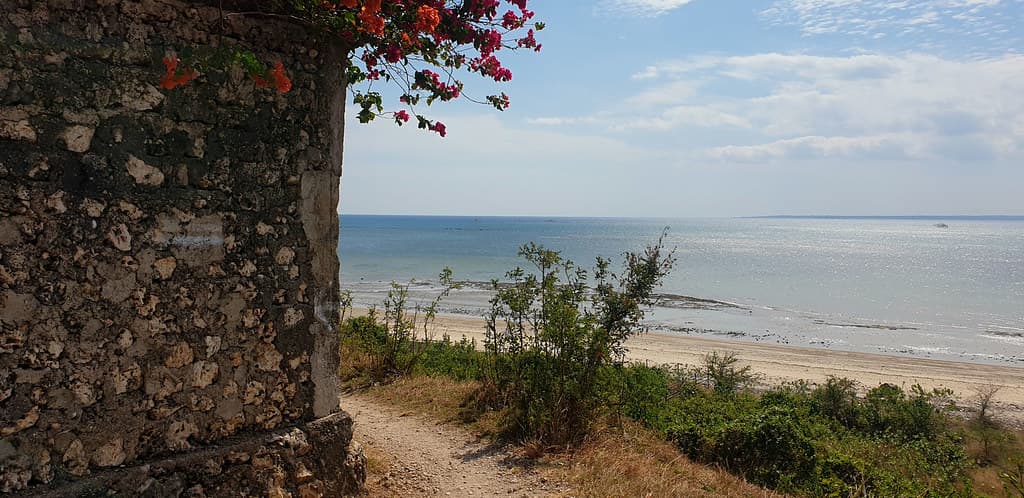
Oesapa unfolds along Kupang's northeastern edge, a working beach where fishing nets dry on wooden racks and children splash in the shallows after school. The sand runs coarse and honey-colored, scattered with bits of coral and the occasional blue plastic rope from offshore moorings. Tamarind and coconut palms lean landward, their shade claiming the upper beach by mid-morning, while the Timor Sea stretches east toward the invisible outline of Semau Island. You'll share the beach with Kupang residents who treat this as their backyard—vendors selling es kelapa muda from coolers, teenagers playing volleyball near the fishing pavilions, grandmothers wading knee-deep in their sarongs. The water stays shallow for thirty meters out, its surface dimpled by breeze rather than waves, tinted brown-green from river sediment that feeds the bay. Fishing boats motor in before noon, their captains hauling plastic bins of small tuna and mackerel straight to waiting buyers under the trees. The real rhythm here belongs to the locals. Dawn brings the catch and the best light, when the sun hasn't yet bleached the color from everything. Late afternoon sees families claiming the shaded patches, grilling corn and sweet potato over coconut-husk fires. You won't find resort umbrellas or jet skis—just a functional strip of coast where a city takes its ease, five minutes from traffic and a world away from the tourist trail most travelers follow east toward Flores.
Places, rentals, tours and events within walking and driving distance of Oesapa Beach.
Photos
Oesapa Beach generally offers calm waters suitable for swimming, as it's located in a bay area that provides natural shelter. However, conditions can vary depending on tides and seasons. It's advisable to swim during daylight hours and check local conditions before entering the water. The beach is relatively urban and frequented by locals, which adds a layer of security. As with any beach, supervise children closely and be mindful of any strong currents. Look for areas where locals swim, as they typically know the safest spots.
Oesapa Beach can be visited year-round due to Kupang's tropical climate with consistently warm temperatures. The dry season from May to October typically offers the most pleasant beach conditions with less rainfall and calmer seas. November to April brings occasional rain, but showers are usually brief. Early mornings and late afternoons provide the best light and cooler temperatures for beach activities. Weekdays tend to be quieter than weekends when local families visit. The beach faces east, making it particularly beautiful for sunrise viewing throughout the year.
Oesapa Beach is located approximately 10-12 kilometers east of central Kupang and takes about 20-30 minutes by car or motorcycle. You can hire a taxi, use ride-hailing apps if available, or rent a motorcycle to reach the beach. The route is straightforward along coastal roads. Parking is generally available near the beach area, though facilities may be informal rather than organized parking lots. Public transportation options like bemos (minibuses) also serve the area, though schedules may be irregular. Ask locals for the most current transport options.
As an urban beach near Kupang, Oesapa typically has local warungs (small restaurants) and food vendors offering Indonesian snacks and meals, though options may be more limited than at major tourist beaches. Availability can vary by day and season. Basic facilities are usually present but may be simple. It's wise to bring drinking water and any specific items you need. For more extensive dining and accommodation options, nearby Kupang city offers numerous hotels, guesthouses, and restaurants within a short drive from the beach.
Oesapa Beach has low visibility among international tourists, making it a more authentic local experience compared to Indonesia's heavily promoted beaches. It's primarily visited by Kupang residents rather than package tourists, offering a glimpse into everyday Indonesian beach culture. The beach hasn't been extensively developed for tourism, maintaining a more natural, low-key atmosphere. This hidden quality means fewer crowds and a chance to experience how locals enjoy their coastline, though it also means fewer tourist-oriented facilities. It's ideal for travelers seeking off-the-beaten-path destinations in East Nusa Tenggara.