Counting the waves…
Counting the waves…

The sand at Liang Beach carries the weight of North Sulawesi's volcanic ancestry—charcoal-black grains that heat quickly underfoot by midmorning and cool in the shade of palms leaning seaward. You'll walk a narrow strip where the jungle presses close, thick with mahogany and rattan, and fishing boats painted turquoise and red rest on the shore between trips. The water here is calm most days, protected by offshore topography, and visibility below the surface rewards those who wade in with mask and fins. This is not a beach engineered for tourism. Villagers from the nearby settlement use the sand to dry seaweed and sort the morning's catch, and you'll share the shoreline with children who've learned to swim before they could walk. A few warungs perch on stilts at the tree line, serving grilled fish with sambal and rice wrapped in banana leaves. The rhythm is dictated by tides and weather, not by schedules printed on brochures. Because Liang often appears on maps merged with neighboring beaches or misidentified altogether, you may arrive expecting something else. What you'll discover instead is a working coastline where the sea provides, the forest shelters, and your presence adds a quiet note to the daily hum. Bring water shoes for the occasional coral rubble, cash for the warungs, and patience for the kind of beauty that doesn't announce itself.
Places, rentals, tours and events within walking and driving distance of Liang Beach.
Photos
Liang Beach generally offers calm, clear waters ideal for swimming and snorkeling, especially during dry season. The beach is sheltered, making conditions relatively safe for families. However, always check local conditions before entering the water, as currents can vary. The coral reefs near the shore attract diverse marine life, making it popular for snorkeling. Avoid swimming during rough weather or monsoon periods. No lifeguards are typically on duty, so exercise standard water safety precautions and never swim alone in unfamiliar areas.
Liang Beach can be visited year-round, but the best conditions occur during the dry season from May to October, when seas are calmest and visibility for snorkeling is optimal. November to April brings the wet season with higher rainfall and occasional rough seas, though temperatures remain warm throughout the year. Weekdays are generally quieter than weekends when local visitors arrive. Early mornings offer the most peaceful atmosphere and best light for photography, while midday provides the clearest water visibility for underwater activities.
Liang Beach is located on Bunaken Island, requiring a boat journey from Manado. From Manado city center, travel to the marina (typically at the port area), where public boats and chartered speedboats depart for Bunaken Island. Public boats take 45-60 minutes, while speedboats are faster at 20-30 minutes. Once on Bunaken, you may need local transport or can walk depending on your accommodation location. Many resorts and dive operators arrange transfers. Book boat tickets in advance during peak season.
Liang Beach area offers several small guesthouses, homestays, and beach bungalows catering to different budgets, ranging from basic to mid-range comfort. Most accommodations are family-run and provide simple, authentic experiences. Small warungs (local eateries) serve fresh seafood and Indonesian dishes near the beach. Facilities are relatively basic compared to major tourist centers, so don't expect luxury amenities. Many visitors stay in nearby Bunaken village, which has more dining options. Some guesthouses include meals in their rates, which is often convenient given limited restaurant choices.
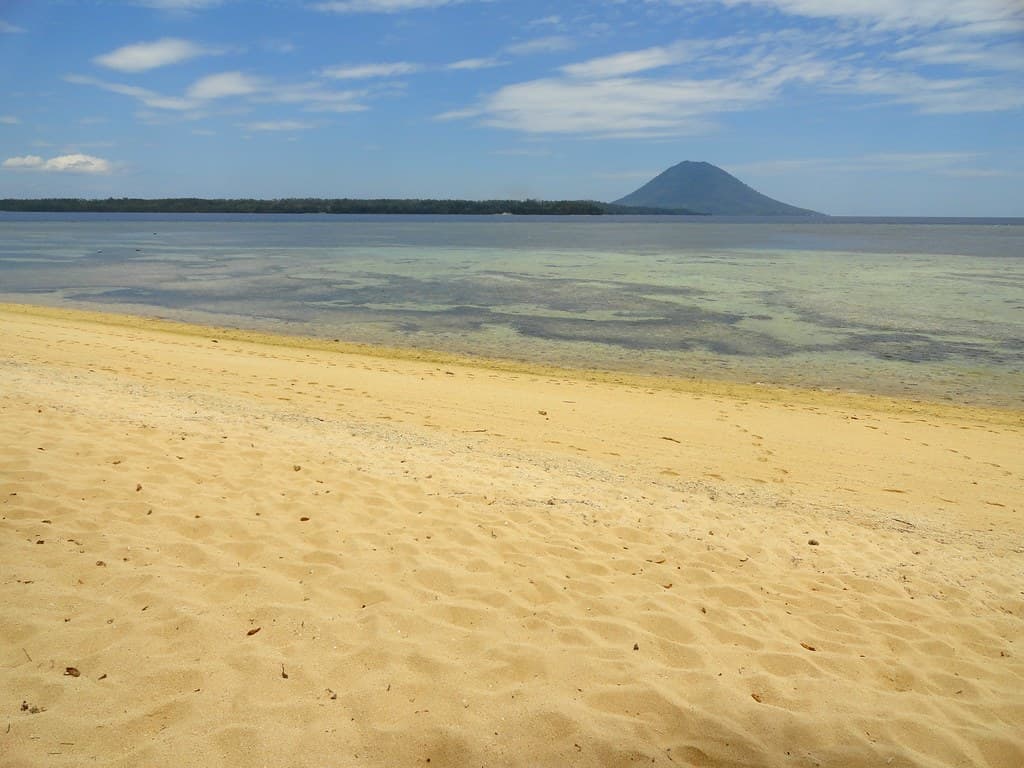
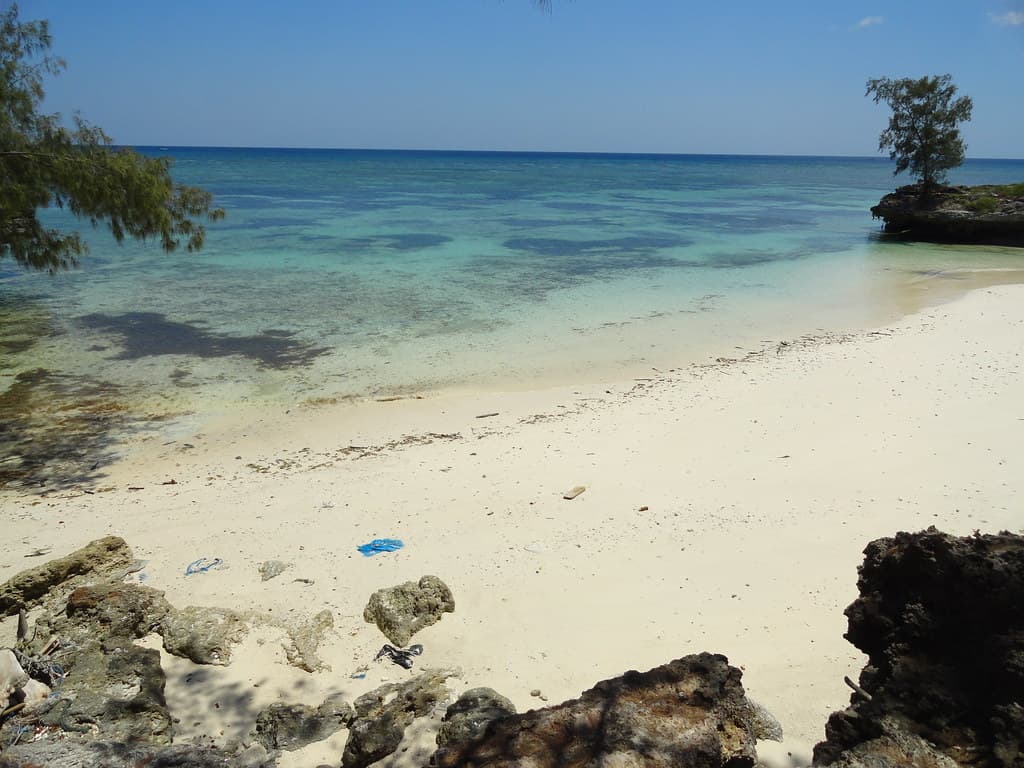
Liang Beach is known for its particularly pristine white sand and more secluded atmosphere compared to busier beaches on Bunaken Island. The beach offers excellent access to Bunaken National Marine Park's renowned coral walls and abundant marine biodiversity right from the shore, making it popular with snorkelers and divers who prefer beach entries. The village setting provides authentic local culture experiences. Unlike some developed areas, Liang maintains a quieter, more traditional character, attracting travelers seeking peaceful surroundings and direct interaction with local fishing communities.