Counting the waves…
Counting the waves…

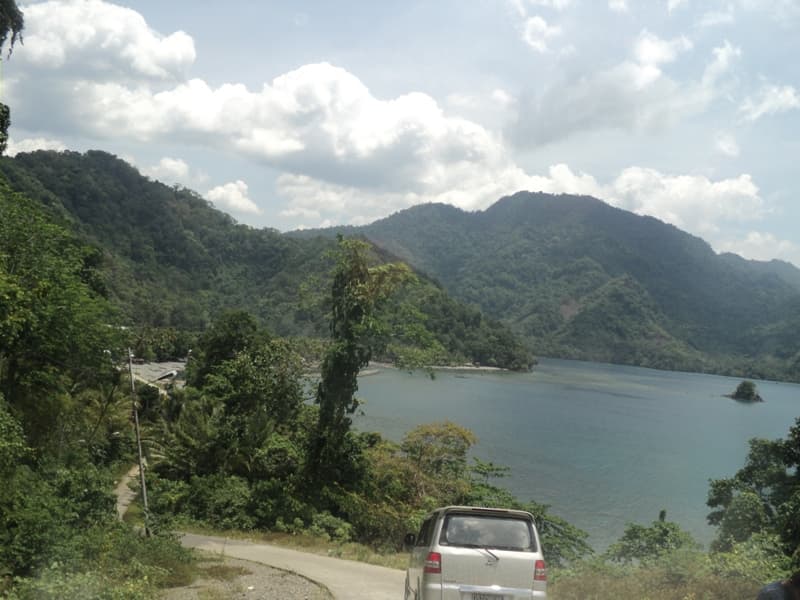
The drive from Jayapura's center follows the coastline east, past wooden stilt houses and roadside vendors selling smoked skipjack. When you reach Amai, the sand crunches underfoot—a mix of crushed coral and volcanic sediment that radiates heat by midday. The beach curves gently, framed by jungle that creeps almost to the high-tide mark, and you'll hear hornbills calling from the canopy when the wind shifts offshore. Most mornings, a handful of outriggers rest on the sand, their owners long gone to deeper water. The swimming here feels different than resort beaches: the seafloor drops gradually, the water stays warm year-round, and you're more likely to spot a sea turtle than another sunbather. Palms provide natural shade, though locals favor the larger ironwoods that have stood here for decades. What keeps Amai off itineraries isn't remoteness—it's proximity to busier alternatives. That oversight works in your favor. Pack your own provisions, as facilities are minimal: a small warung operates inconsistently near the access road. The beach reveals itself slowly, rewarding those who linger past a quick photo stop and settle into the unhurried rhythm of a place that hasn't yet learned to perform for cameras.
Places, rentals, tours and events within walking and driving distance of Amai Beach.
Photos
Amai Beach generally offers calm waters suitable for swimming, though conditions vary with tides and weather. The beach is relatively sheltered, making it safer than more exposed coastal areas. However, lifeguards are not typically present, so swim at your own risk and stay alert to changing conditions. Check with locals about current water conditions before entering. Avoid swimming during heavy rain or storms, and supervise children closely. The beach's remote location means emergency services may take longer to respond, so exercise caution and common sense.
Amai Beach can be visited year-round, though Jayapura experiences tropical weather with consistent warmth and humidity. The drier months generally fall between May and October, offering more sunshine and calmer seas, ideal for beach activities. November to April brings heavier rainfall, which can affect accessibility and ocean conditions. However, Papua's weather patterns can be unpredictable regardless of season. For the best experience, aim for the drier months, but be prepared for occasional rain showers anytime. Early mornings typically offer the calmest conditions and best light.
Amai Beach is located within reasonable distance from Jayapura city center. Most visitors reach the beach by hiring a car or motorbike, or arranging transportation through their accommodation. The road conditions can vary, so a local driver familiar with the area is recommended. Public transportation options may be limited given the beach's off-the-beaten-path nature. Parking facilities are typically informal and basic, with space available near the beach access points. Ask locals or your hotel for specific directions, as GPS mapping may be unreliable in this region.
Amai Beach is relatively undeveloped compared to tourist hotspots, so amenities are limited. You'll find few, if any, established restaurants or accommodations directly at the beach. Small local warungs or food vendors may occasionally set up nearby, offering simple Indonesian dishes and drinks, but availability isn't guaranteed. Most visitors base themselves in Jayapura city, which has various hotels and restaurants, and make Amai Beach a day trip. Bring your own food, water, and supplies to ensure a comfortable visit, especially if planning to spend several hours there.
Amai Beach remains largely undiscovered by international tourists, offering an authentic, uncrowded beach experience in Papua. Unlike commercialized beaches, it retains a peaceful, local atmosphere where you might have stretches of sand to yourself. The beach isn't heavily promoted in tourism materials, and its relative remoteness keeps visitor numbers low. This makes it ideal for travelers seeking to escape crowds and experience Indonesia's lesser-known coastal beauty. The lack of development means pristine surroundings, though fewer facilities, appealing to adventurous travelers who appreciate authenticity over convenience.