Counting the waves…
Counting the waves…

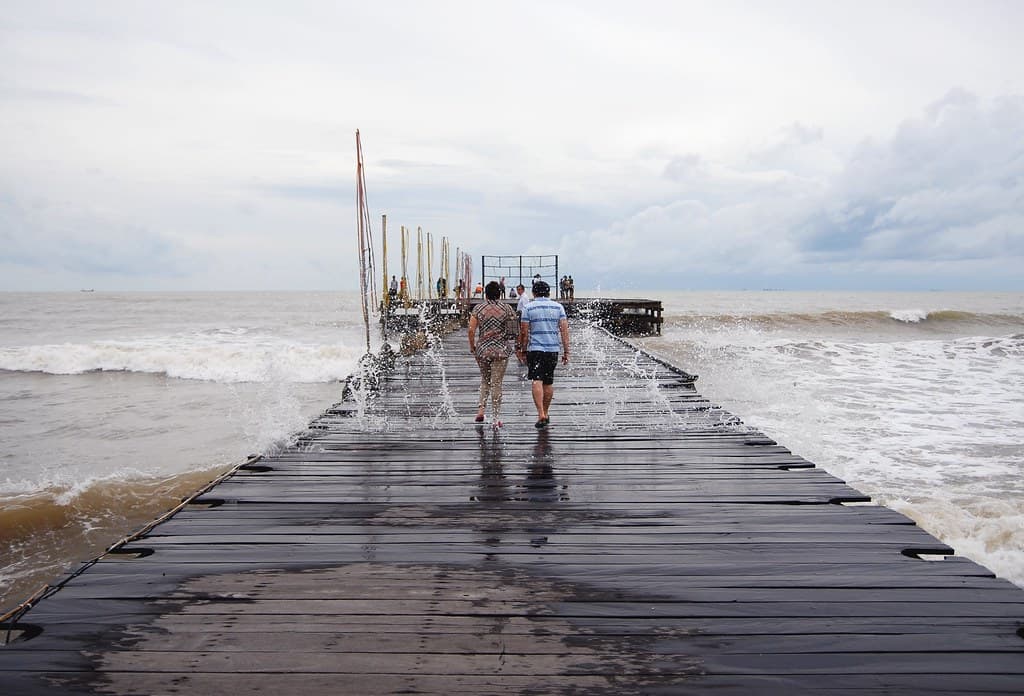
The crossing from Makassar's waterfront promenade takes just fifteen minutes, but the shift is absolute. You step off the boat onto Lae Lae and the asphalt world vanishes—no cars, no motorbikes, only narrow footpaths winding between wooden houses painted in fading blues and greens. Children sprint past clutching snorkel masks, and fishermen mend nets beneath trees older than the city's Dutch-era fort. The beach wraps around the island's eastern flank, a crescent of coarse sand meeting shallow water the color of jade. At low tide, you can wade out fifty meters and still feel the sandy bottom beneath your toes. Coral heads poke through the surface, and damselfish dart between brain coral formations. The view back toward Makassar is unexpectedly striking: glass towers and the white curve of Losari Beach shimmering across the strait, close enough to see yet entirely removed from your world of drying laundry and grilled fish smoke. Local families claim the shade beneath ironwood trees, spreading woven mats and unpacking thermoses of sweet tea. On weekends the island pulses with day-trippers, but weekday mornings belong to the 200 residents who've lived here for generations, their rhythms governed by tide charts and the call to prayer echoing from the single mosque. You share their beach, their pace, their temporary escape from the urban density visible on every horizon.
Places, rentals, tours and events within walking and driving distance of Lae Lae Beach.
Photos
Swimming conditions at Lae Lae Beach are generally calm and safe for most visitors, as the island is protected by surrounding waters. The beach has sandy areas with gradual entry points suitable for families. However, always check local conditions before swimming, as currents can vary. Life-saving equipment may be limited on this small island, so swimmers should exercise caution. The water is typically clear, making it easier to spot any underwater obstacles. Avoid swimming during rough weather or strong winds.
Lae Lae Beach can be visited year-round due to Makassar's tropical climate, with temperatures consistently around 27-32°C. The driest months are June through September, offering the most sunshine and calmest seas. The wet season runs from December to March, bringing occasional afternoon showers but still plenty of clear mornings. Weekdays are less crowded than weekends when local families visit. Early morning visits offer cooler temperatures and better light for photography, while avoiding the midday heat.
Lae Lae Beach is accessible only by boat from Makassar's Losari Beach area or nearby harbours. Traditional motorboats depart regularly throughout the day, with the journey taking approximately 15-20 minutes. Boats can be arranged through local operators at the waterfront, though departure times depend on passenger numbers and weather conditions. There's no parking on the island itself since it's vehicle-free. Return trips are typically arranged with your boat operator or can be coordinated upon arrival at the island.
Lae Lae is a small inhabited island with basic facilities including simple local warungs (food stalls) serving fresh seafood and Indonesian dishes. Accommodation options are limited to basic homestays, as this is primarily a local community rather than a tourist resort. Bring cash, as card facilities are unlikely to be available. There are basic toilet facilities, but amenities are modest compared to mainland beaches. It's advisable to bring drinking water, snacks, and sun protection, though you'll find essentials available from island vendors.
Yes, Lae Lae is a small island that can be walked around in approximately 30-45 minutes, making it perfect for a leisurely exploration. The island is home to a traditional Makassar fishing community, offering visitors a glimpse into local island life. You'll find narrow pathways between colourful houses, fishing boats along the shores, and friendly locals. The compact size makes it easy to explore without getting lost, and you'll discover different beach spots around the perimeter with varying views of Makassar's coastline.