Counting the waves…
Counting the waves…
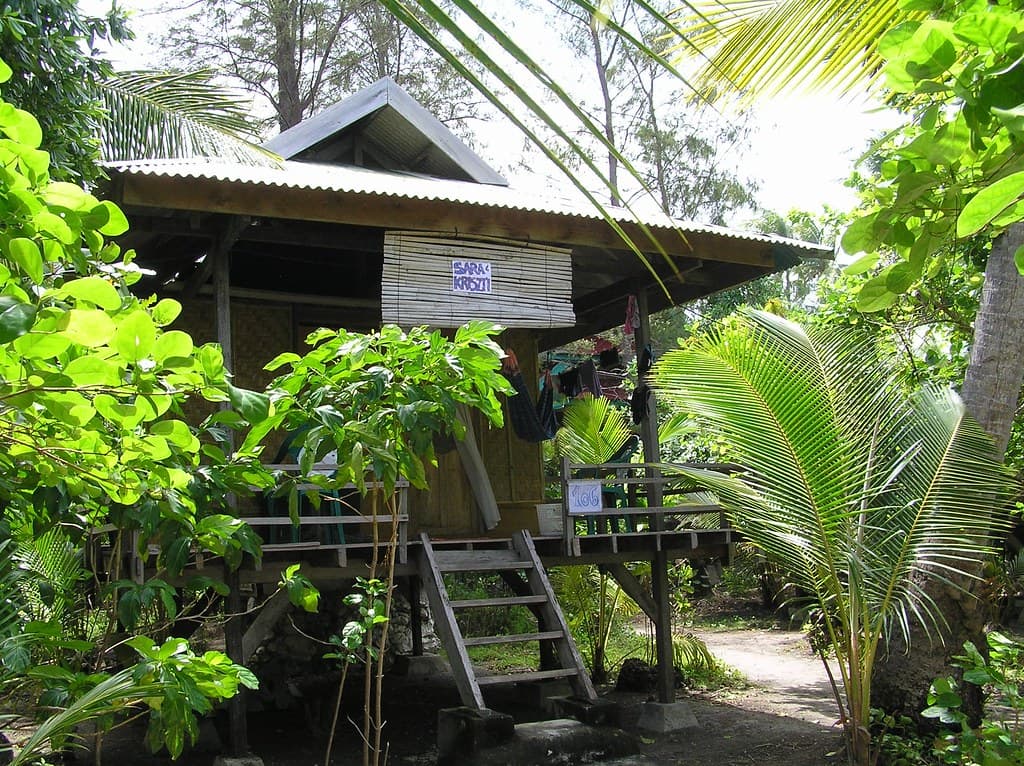
Hondue Beach runs barely two hundred meters along Tomia's southern coast, a pocket of powdered coral sand backed by coconut palms and the occasional thatched homestay. You'll share the shoreline with a few wooden outriggers and the local fishermen who drag them up the beach each afternoon, their catch still twitching in woven baskets. The sand here carries a faint crunch underfoot—pulverized coral and shell fragments bleached bone-white by the equatorial sun. The real draw lies just offshore. The reef wall drops from knee-deep water to depths beyond recreational limits, and the current sweeping up from the Banda Sea pumps the coral full of nutrients. You'll spot parrotfish the size of small dogs, schools of fusiliers that move like liquid silver, and hawksbill turtles that barely register your presence. The visibility hovers around twenty meters most days, and the water stays a steady 28°C year-round. Tomia remains the quietest of Wakatobi's four main islands. You'll reach Hondue by motorbike along a rutted coastal track from the main village of Usuku, passing sago palms and smallholder plots of cassava. There's no beach club, no sunbed concession—just sand, water, and a reef that feels like it belongs to another century.
Places, rentals, tours and events within walking and driving distance of Hondue Beach.
Photos
Hondue Beach offers generally calm, clear waters ideal for swimming and snorkeling, particularly along the protected reef areas. The shallow sections near shore are suitable for beginners, while experienced snorkelers can venture further to explore vibrant coral gardens. However, always check local conditions before entering the water, as currents can vary. Wear reef-safe sunscreen and water shoes to protect against sharp coral and sea urchins. Visibility is typically excellent, making it easy to spot potential hazards. Consider snorkeling with a guide familiar with the area for the safest experience.
Hondue Beach can be visited year-round due to its tropical climate, with water temperatures consistently warm for swimming and snorkeling. The dry season from April to November generally offers calmer seas, better visibility for snorkeling, and more sunshine, making it the preferred period for most visitors. The wet season (December to March) brings occasional rainfall but rarely disrupts beach activities for extended periods. Southeast Sulawesi experiences less dramatic seasonal variation than other Indonesian regions, so you'll find good conditions most months. Plan around Indonesian holidays if you prefer fewer crowds.
Reaching Hondue Beach requires traveling to Tomia Island in the Wakatobi archipelago. Fly to Matahora Airport on Wangi-Wangi Island, then take a ferry or speedboat to Tomia (journey times vary by vessel type). Once on Tomia, rent a motorbike or hire local transport to reach Hondue Beach, located on the island's coastline. Roads are basic but generally passable. Parking facilities are informal—you can leave motorbikes or vehicles near the beach access points. Given Tomia's remote location, arrange transportation through your accommodation for the smoothest experience.
Hondue Beach has limited facilities, reflecting Tomia's undeveloped, authentic character. Basic warungs (local eateries) may be found in nearby villages serving Indonesian meals and fresh seafood, though availability varies. Bring water and snacks for beach days. Accommodation options on Tomia include small guesthouses and homestays rather than resorts; most are in the main village areas rather than directly beachfront. Facilities like public restrooms are minimal, so plan accordingly. The limited development is part of the beach's appeal for travelers seeking unspoiled coastal environments away from mass tourism.
Hondue Beach sits within the Wakatobi Marine National Park, part of the Coral Triangle—the world's most biodiverse marine region. The house reef features pristine hard and soft corals accessible directly from shore, eliminating the need for boat trips. Snorkelers regularly encounter abundant reef fish, sea turtles, and occasionally rays in the crystal-clear waters. The coral formations remain largely undamaged due to low visitor numbers and strong local conservation efforts. Water visibility often exceeds 20 meters, providing spectacular underwater views. This combination of accessibility, biodiversity, and preservation makes Hondue exceptional for snorkeling enthusiasts.