Counting the waves…
Counting the waves…

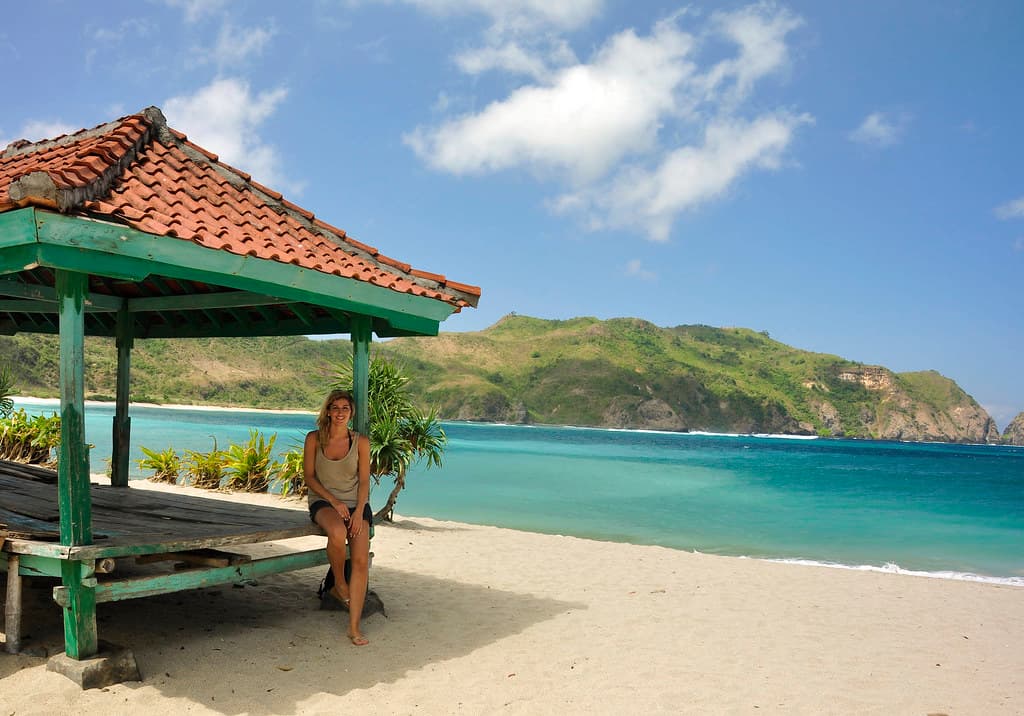
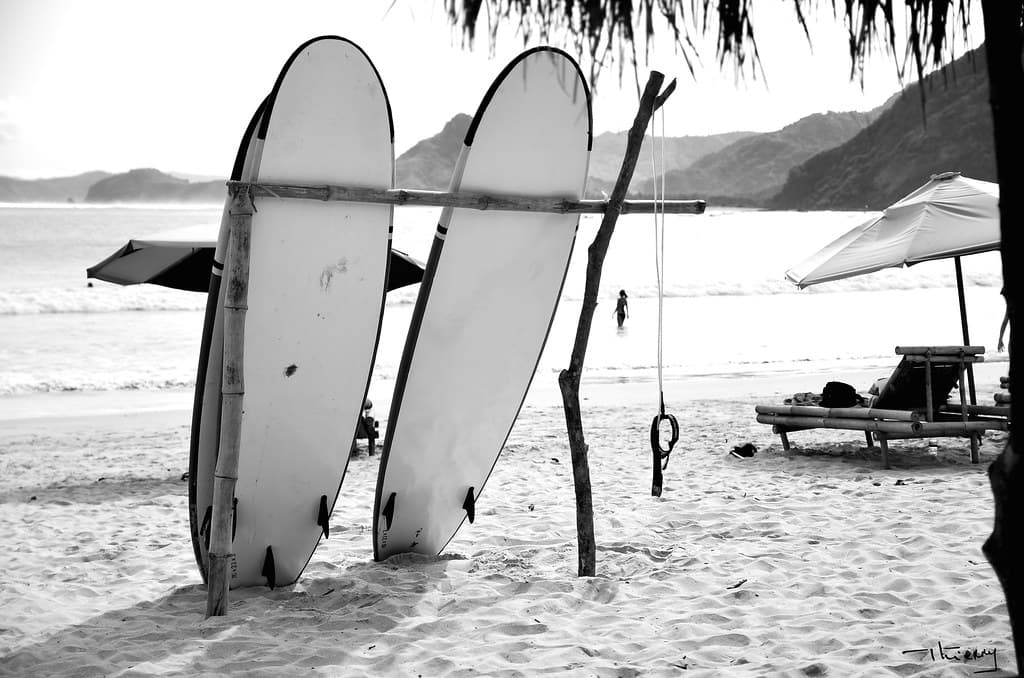
You park on the bluff and the entire amphitheater reveals itself: a wide bay where lefts peel with mechanical regularity off the western headland, and a shifting peak in the middle serves up hollow rights when the swell runs true. The sand here isn't white—it's a dark, mineral grey studded with smooth river stones, and it slopes steeply into shore break that punishes anyone who misjudges the entry. Mawi sits far enough from Kuta that you'll share the line-up with just a handful of committed surfers, most of them Indonesian, all of them here for the same reason: consistent four- to six-foot waves that hold their shape even when other southern beaches close out. Between sets, you'll watch local boys scramble over the rocks with hand-lines, pulling up snapper and grouper for the warungs that dot the access road. The beach has no resorts, no sunbed concessions, no smoothie stands—just a few weathered shelters and the occasional vendor grilling corn over coconut husks. Stay through the afternoon and the wind shifts offshore, grooming the faces into glassy walls. By evening, the surfers clear out and the fishermen return, dragging wooden outriggers across the packed sand. You'll leave with salt-stiff hair and sand in every crevice, already planning your return when the next swell arrives.
Places, rentals, tours and events within walking and driving distance of Mawi Beach.
Photos
Mawi Beach is primarily a surf destination with strong currents, large waves, and powerful undertows that make it unsuitable for casual swimming. The beach is recommended for experienced surfers rather than swimmers. The waves can be particularly powerful during peak surf season, and there are no lifeguards on duty. If you're not surfing, it's safer to enjoy the beach from the shore, wade in shallow areas with caution, and always be aware of changing tide conditions. Children and inexperienced swimmers should avoid entering the water.
The best surf conditions at Mawi Beach occur during Lombok's dry season from April to October, with peak waves from June to August when consistent southwest swells produce powerful barrels. During these months, you'll find offshore winds and waves ranging from 4-8 feet, sometimes larger. The wet season (November-March) brings onshore winds and less consistent conditions, though surfing is still possible. Early mornings typically offer the cleanest conditions year-round. The beach is less crowded than other Lombok surf spots, providing a more secluded experience regardless of season.
Mawi Beach is located on Lombok's southern coast, approximately 1.5 hours from Kuta Lombok and 2 hours from Mataram. The beach requires driving along partially paved and rough roads, making a scooter or car rental essential. From the main road, follow signs toward Selong Belanak, then turn toward Mawi. There's a small parking area near the beach where you can leave vehicles for a nominal fee. The final approach involves a short walk down to the beach. Four-wheel drive vehicles are recommended during wet season when roads can become muddy and challenging.
Mawi Beach has minimal facilities, with typically one or two small warungs (local food stalls) operating near the parking area, offering basic Indonesian meals, snacks, and drinks. Availability can be inconsistent, so bringing your own food and water is advisable. There's no accommodation directly at Mawi Beach. Most visitors stay in Kuta Lombok, approximately 20-30 minutes away, which offers various hotels, guesthouses, and restaurants. Selong Belanak, another nearby beach town, also provides lodging options. The remote nature of Mawi means limited shade and no facilities like showers or restrooms.
Mawi Beach stands out for its powerful, hollow barrel waves that break over a reef and sand bottom, creating conditions favored by experienced surfers seeking uncrowded sessions. Unlike the more tourist-developed Kuta area breaks, Mawi remains relatively undiscovered and retains a raw, untamed character. The beach features dramatic turquoise waters backed by green hills, offering stunning scenery beyond the surf. The waves here are notably heavier and more challenging than neighboring breaks, attracting intermediate to advanced surfers. Its remote location means fewer crowds even during peak season, providing an authentic, off-the-beaten-path Lombok experience.