Counting the waves…
Counting the waves…
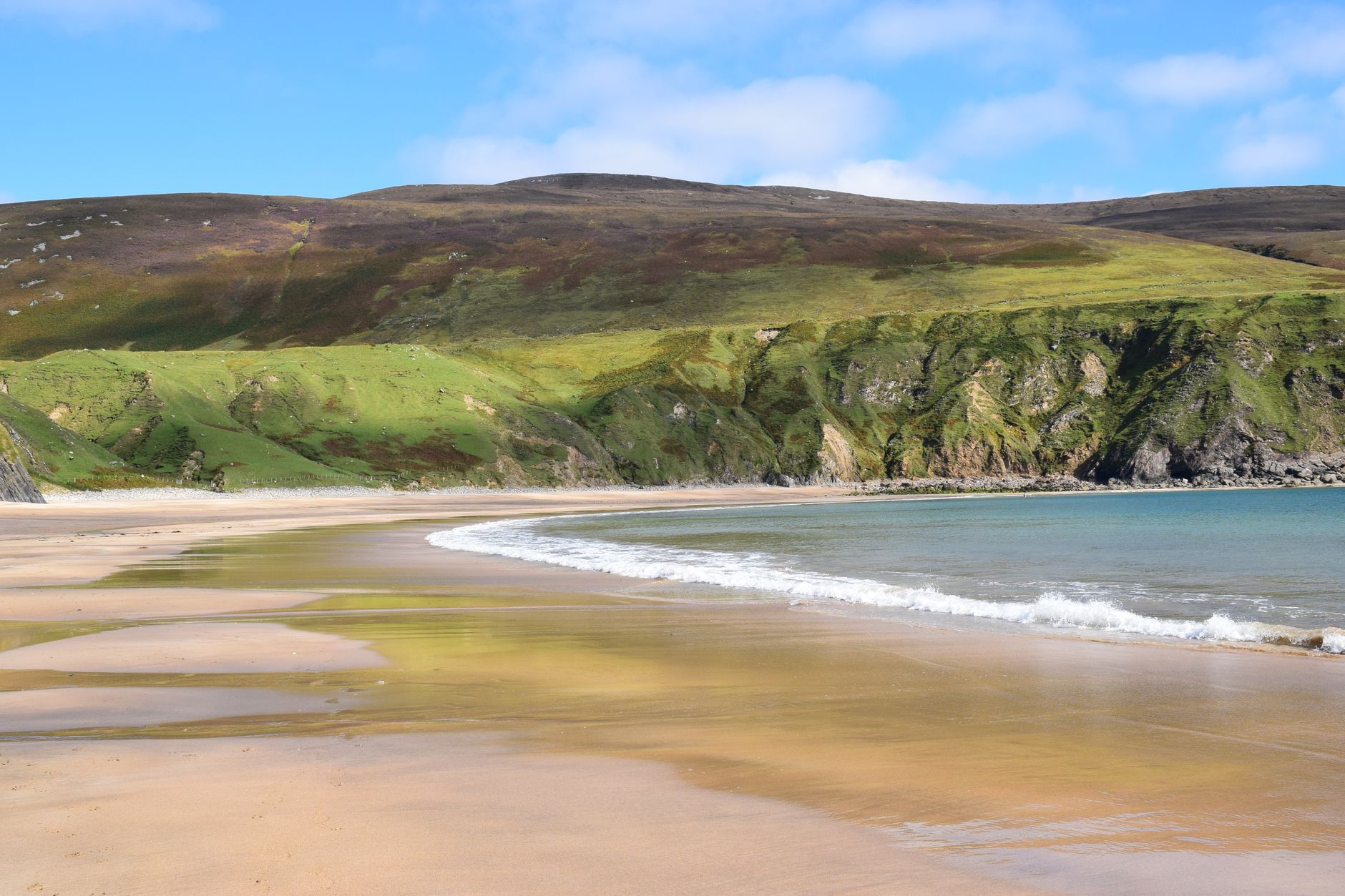
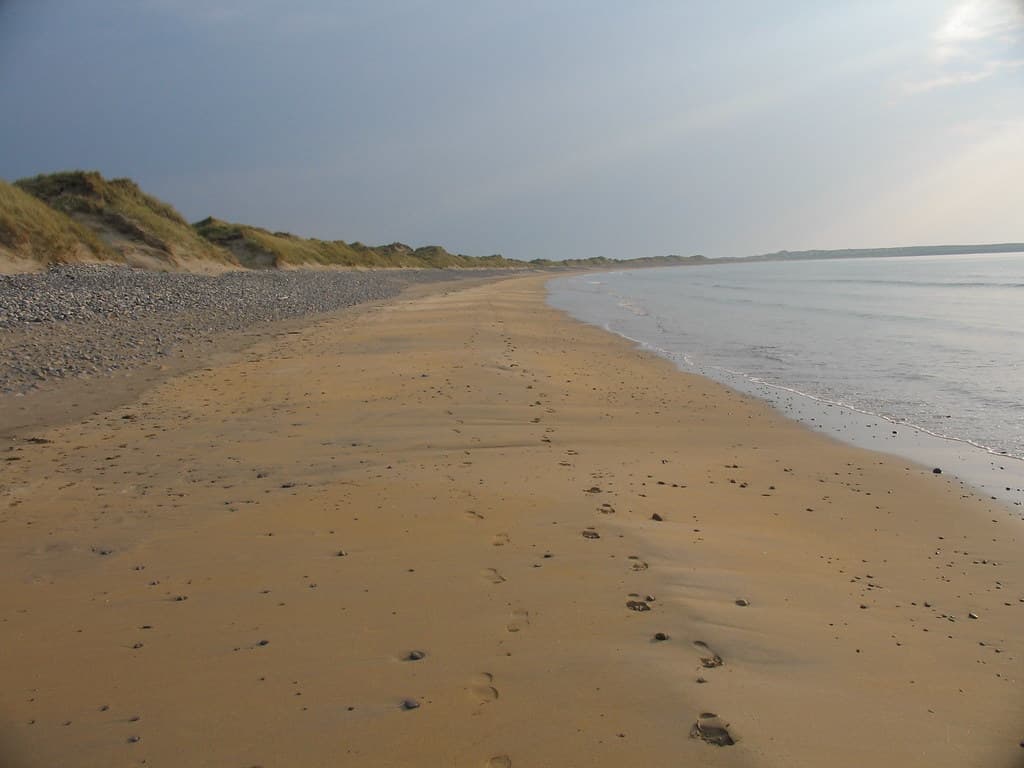
Streedagh Strand isn't just a beach; it's a living museum, a place where the wild beauty of the Sligo coast intertwines with a dramatic chapter of European history. Stretching for three kilometers, this golden crescent of sand is backed by impressive dunes that give way to the imposing, flat-topped peaks of the Dartry Mountains. The beach gained its historical significance in 1588 when three ships of the Spanish Armada, battered by storms, were wrecked upon its shores. As you walk, imagine the desperate struggle of the survivors, including Captain Francisco de Cuéllar, whose incredible escape narrative provides a vivid account of the events. The sense of history is palpable, adding a layer of intrigue to the already stunning landscape. Beyond its past, Streedagh Strand is a haven for nature lovers. The firm sand is perfect for long, invigorating walks, horse riding, or simply enjoying the vastness of the Atlantic. The views are spectacular, encompassing the iconic Benbulben mountain and the wild Sligo coastline. It’s a place to connect with both the natural world and the rich tapestry of Ireland’s past, offering a truly unique coastal experience.
Places, rentals, tours and events within walking and driving distance of Streedagh Strand.
Photos
Streedagh Strand is an exposed Atlantic beach without lifeguard services, requiring caution for swimming. The three-kilometre beach experiences strong currents and powerful waves, particularly during incoming tides and stormy weather. The beach is best suited for paddling and experienced swimmers who understand ocean conditions. Families with young children should supervise closely and stay in shallow areas. Rip currents can develop, especially near the rocky outcrops that divide sections of the beach. Always check weather forecasts and tide times before visiting. The beach is popular for walking and exploring rather than swimming.
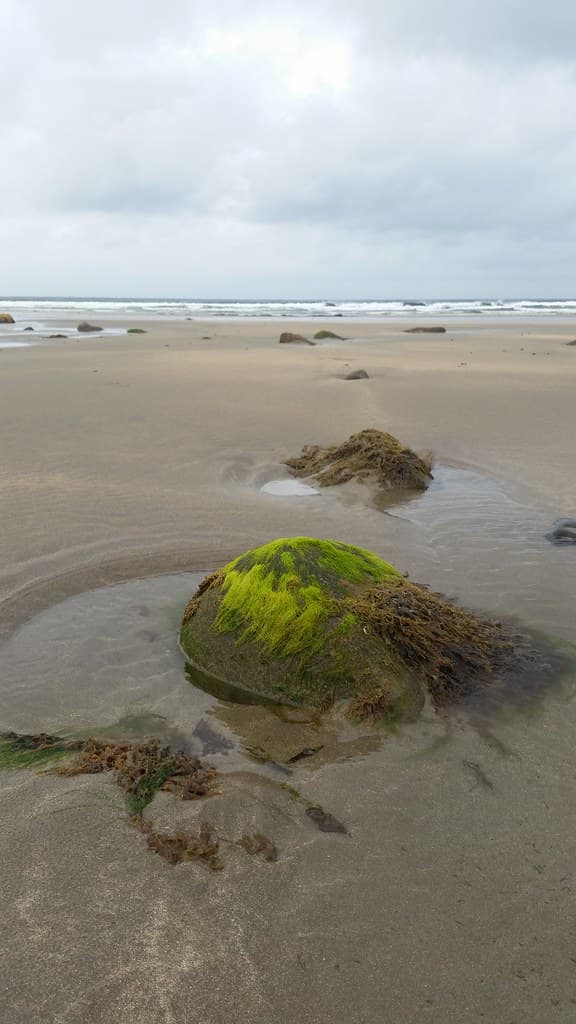
Late spring through early autumn offers the most pleasant weather for visiting Streedagh Strand, with June through August providing the warmest temperatures. However, the beach's scenic qualities shine during any season, with dramatic winter storms creating spectacular wave displays from a safe distance. For photography and solitude, early mornings or late afternoons in May or September are ideal. The beach rarely becomes crowded even in peak summer due to its remote location. Low tide reveals the most expansive sandy beach and best opportunities to explore rock formations. Weather in County Sligo changes quickly, so prepare for variable conditions.
Streedagh Strand is located approximately 30 kilometres north of Sligo Town near the village of Grange. Drive north from Sligo on the N15, then turn west onto local roads signposted for Streedagh. The beach has a small car park accessed via a narrow country lane. A car is essential as public transport to this remote area is virtually non-existent. The final approach road can be rough in places. From the car park, a short walk leads down to the beach. Allow 35-45 minutes driving time from Sligo Town, accounting for narrow rural roads requiring slower speeds.
The nearby village of Grange offers a pub and small shop, but options are limited. For more extensive dining and accommodation, Bundoran is 15 kilometres north and Sligo Town is 30 kilometres south, both offering hotels, guesthouses, restaurants, and pubs. Several self-catering cottages and farmhouse B&Bs operate in the rural area around Streedagh. Visitors typically bring picnics when spending time at the beach as immediate facilities are minimal. Cliffony village, a few kilometres away, has basic amenities. The area's rural character means advance planning for meals and overnight stays is advisable.
Streedagh Strand is historically significant as the site where three ships from the Spanish Armada wrecked during a storm in September 1588. Over 1,000 Spanish sailors perished, and survivors who reached shore faced execution by English forces. Archaeological surveys have located cannon and anchors from the wrecks offshore. Interpretive panels near the beach explain this dramatic historical event. The strand's wild character evokes the treacherous conditions faced by the fleet. This history adds depth to beach visits, connecting the landscape to significant European naval history. The beach remains largely unchanged since that fateful autumn centuries ago.