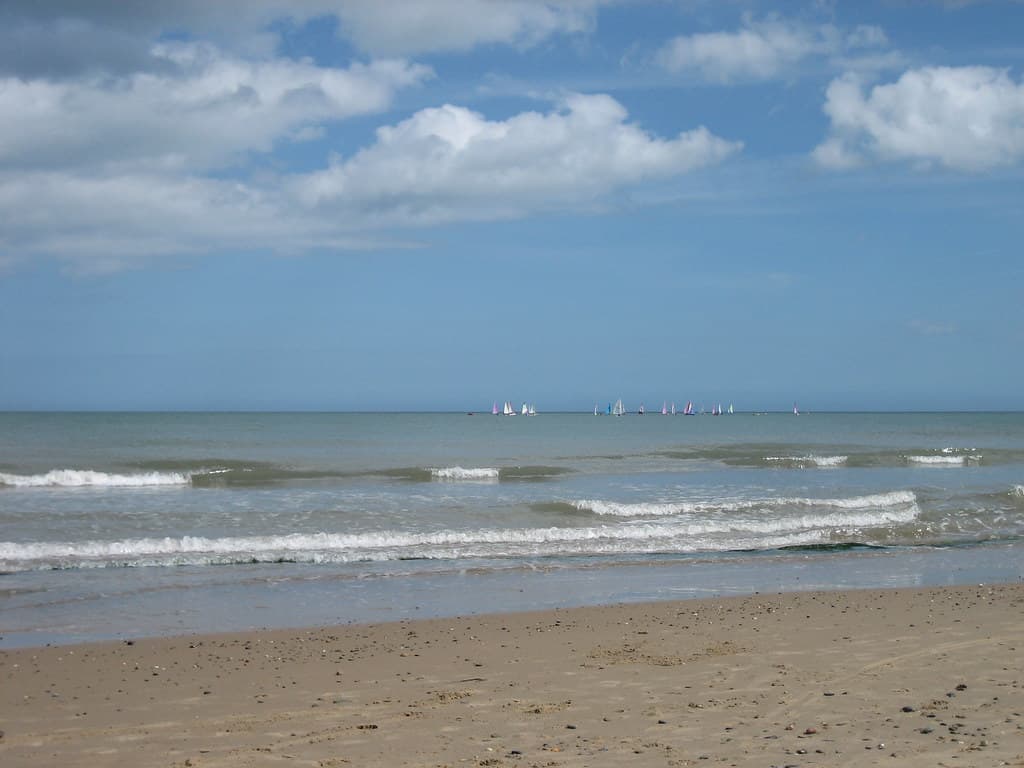
Counting the wavesβ¦
Curracloe Beach is not just a beach; it's an experience, a vast canvas of soft, white sand stretching for miles along the Wexford coastline. Renowned for its pristine condition and the dramatic, whispering dunes that form its backdrop, it's easy to see why this iconic location was chosen to represent Omaha Beach in Steven Spielberg's 'Saving Private Ryan.' The sheer scale and untouched beauty are truly captivating. Walking along Curracloe, you'll feel the fine sand sift between your toes, a sensation of pure tranquility. The dunes, a protected natural habitat, rise majestically behind you, offering both shelter and a sense of wild grandeur. They invite exploration, with winding paths that lead to breathtaking vantage points overlooking the Irish Sea. The air is fresh and invigorating, carrying the scent of marram grass and salt. This beach is a haven for nature lovers and those seeking a peaceful escape. The gentle waves are perfect for swimming and paddling, while the expansive shore provides endless opportunities for long walks, beachcombing, and simply soaking in the serene atmosphere. Curracloe Beach truly embodies the wild, unspoiled beauty of the Irish coast, offering a cinematic landscape that stays with you long after you've left its shores.
Places, rentals, tours and events within walking and driving distance of Curracloe Beach.
Photos
Curracloe Beach has lifeguard supervision during summer months, typically from June through August, making it one of the safer swimming beaches in Wexford. The beach slopes gradually, creating shallow areas ideal for children to paddle. However, rip currents can occur, so always swim in the patrolled zones between the red and yellow flags. The extensive sandy shore provides plenty of space for families to spread out. Facilities include toilets and changing areas near the main car park. Always check the flag system and follow lifeguard instructions for safe swimming.
Wexford's southeast location means Curracloe enjoys some of Ireland's sunniest and driest weather, making June through August ideal for beach visits. The beach benefits from Ireland's longest sunshine hours, particularly in late spring and summer. For the warmest weather and full facilities including lifeguards, visit mid-June to late August. Early mornings in summer offer peaceful walks before crowds arrive. September can provide pleasant weather with fewer visitors. The famous sand dunes are beautiful year-round for walking, though swimming outside summer requires cold-water tolerance and caution without lifeguard coverage.
Curracloe Beach is approximately 12 kilometres north of Wexford Town, accessible via the R742 road toward Blackwater, then following local signage to Curracloe village. From Dublin, the journey takes about 2 hours via the M11 and N11 southbound. Multiple car parks serve different sections of the beach, with the main car park near the centre offering best facilities. During peak summer days, car parks fill quickly; arrive before 11am. Public bus services to Curracloe village are limited, making a car the most practical option for beach access.
Curracloe village has pubs and cafes serving food during summer, with the Strand Bar being a popular choice near the beach. Mobile food vendors often operate in the car park during busy summer days. Wexford Town, 15 minutes away, offers extensive restaurants, hotels, and guesthouses. Several caravan and camping parks operate around Curracloe during summer months, popular with Irish families. Self-catering holiday homes and cottages are available for weekly rentals. For day visitors, bringing a picnic is common as beachside dining options are limited compared to larger resort towns.
Curracloe's extensive dune system stretches for nearly 10 kilometres and represents one of Ireland's finest examples of coastal dune habitats. These dunes featured prominently in the opening D-Day scenes of Spielberg's film 'Saving Private Ryan'. The dunes rise impressively behind the beach, held together by marram grass and other vegetation. They provide important wildlife habitat and natural coastal protection. Wooden walkways cross the dunes in places, protecting the fragile ecosystem while allowing beach access. The dunes create a distinctive backdrop and shelter the beach from winds, contributing to the area's microclimate.