
Counting the waves…
Counting the waves…
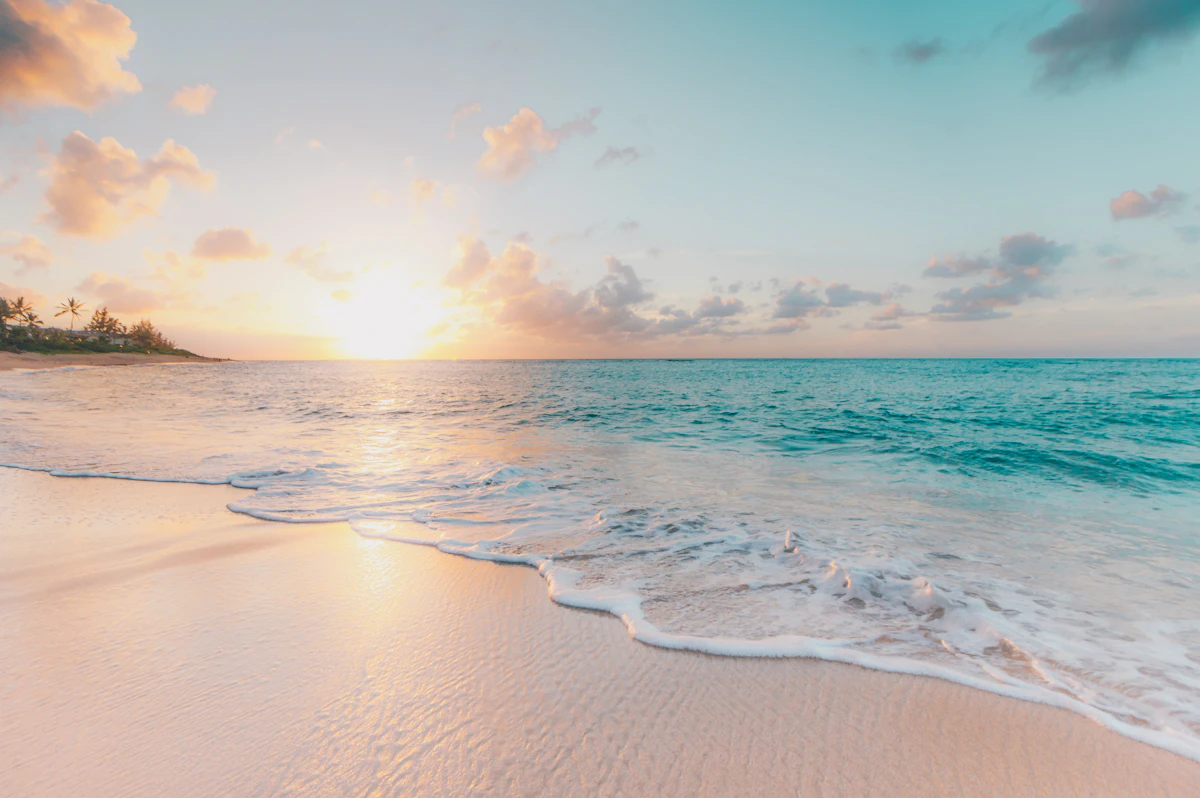
Punta Bianca announces itself before you arrive: white bluffs rising against the sky, visible for kilometres as you drive the coast road. Up close, the stone reveals its texture—pocked, layered, flaking in sheets where wind and salt have carved abstract sculptures. The beach itself hides in coves between the outcrops, sand so pale it nearly matches the cliffs, fine grains that squeak underfoot and stick to wet calves. The water is absurdly clear. You can count pebbles three metres down, watch schools of silver fry dart over weed beds, spot the shadow of your own body rippling across the sand below. Snorkelers hug the rocks where the seabed drops, though most visitors simply float, stunned by the colour gradient—mint at the shore, lapis farther out, the kind of blue that smartphone cameras oversaturate into disbelief. Access requires commitment: a dirt track rutted enough to make sedans groan, then a footpath that switchbacks down the bluff. Summer weekends draw Instagram pilgrims hunting the perfect drone shot, but arrive early or in shoulder season and you'll have whole sections to yourself. Bring everything—shade, water, food—because Punta Bianca offers nothing but geology and light.
Places, rentals, tours and events within walking and driving distance of Punta Bianca Beach.
Photos
Swimming at Punta Bianca requires caution and awareness. The beach is relatively undeveloped without lifeguard services or organized facilities. Water conditions vary; calmer areas exist but currents can be present near cliff sections. The seabed includes both sand and rocky areas. Strong swimmers typically enjoy it, but families with young children should exercise extra vigilance. Always check weather forecasts before visiting. The beach's natural, unmonitored character means you're responsible for your own safety assessment.
Visit between May and September for beach weather, with June and September offering the best balance of pleasant temperatures and fewer crowds. July and August bring heat and more visitors drawn by social media exposure. Early morning or late afternoon visits provide dramatic lighting for photography and cooler temperatures. Spring and autumn visits capture the white cliffs beautifully with comfortable conditions. Avoid winter when access may be difficult and weather unpredictable. Weekdays are significantly quieter than weekends.
Reaching Punta Bianca requires careful navigation as it's not extensively developed. From Palma di Montechiaro, head toward the coast following local signs; roads can be rough in sections. The approach may involve unpaved tracks, so a sturdy vehicle is advisable. GPS coordinates are helpful as signage is limited. Parking is informal near the beach access. The journey from Agrigento takes roughly 40 minutes. Research access routes beforehand and consider asking locals for current conditions.
Punta Bianca is largely undeveloped, with minimal facilities directly at the beach. Bring all necessities including water, food, sun protection, and shade equipment. The nearest services are in Palma di Montechiaro, offering basic restaurants and shops. Accommodation options include agriturismi (farm stays) in the surrounding countryside and hotels in larger towns like Agrigento or Licata. This remoteness is part of the beach's appeal but requires preparation and self-sufficiency for visitors.
Punta Bianca's dramatic white limestone cliffs rising from turquoise waters create stunning, photogenic contrasts rare along Sicily's south coast. The striking white-cliff landscape resembles more famous Mediterranean destinations, offering unique visual impact. Its relative remoteness and undeveloped nature add to its appeal as an authentic, hidden gem. Natural rock formations and the interplay of white stone, blue sea, and sky provide exceptional photography opportunities. Social media has amplified awareness, though it remains less crowded than mainstream beaches.