Counting the waves…
Counting the waves…
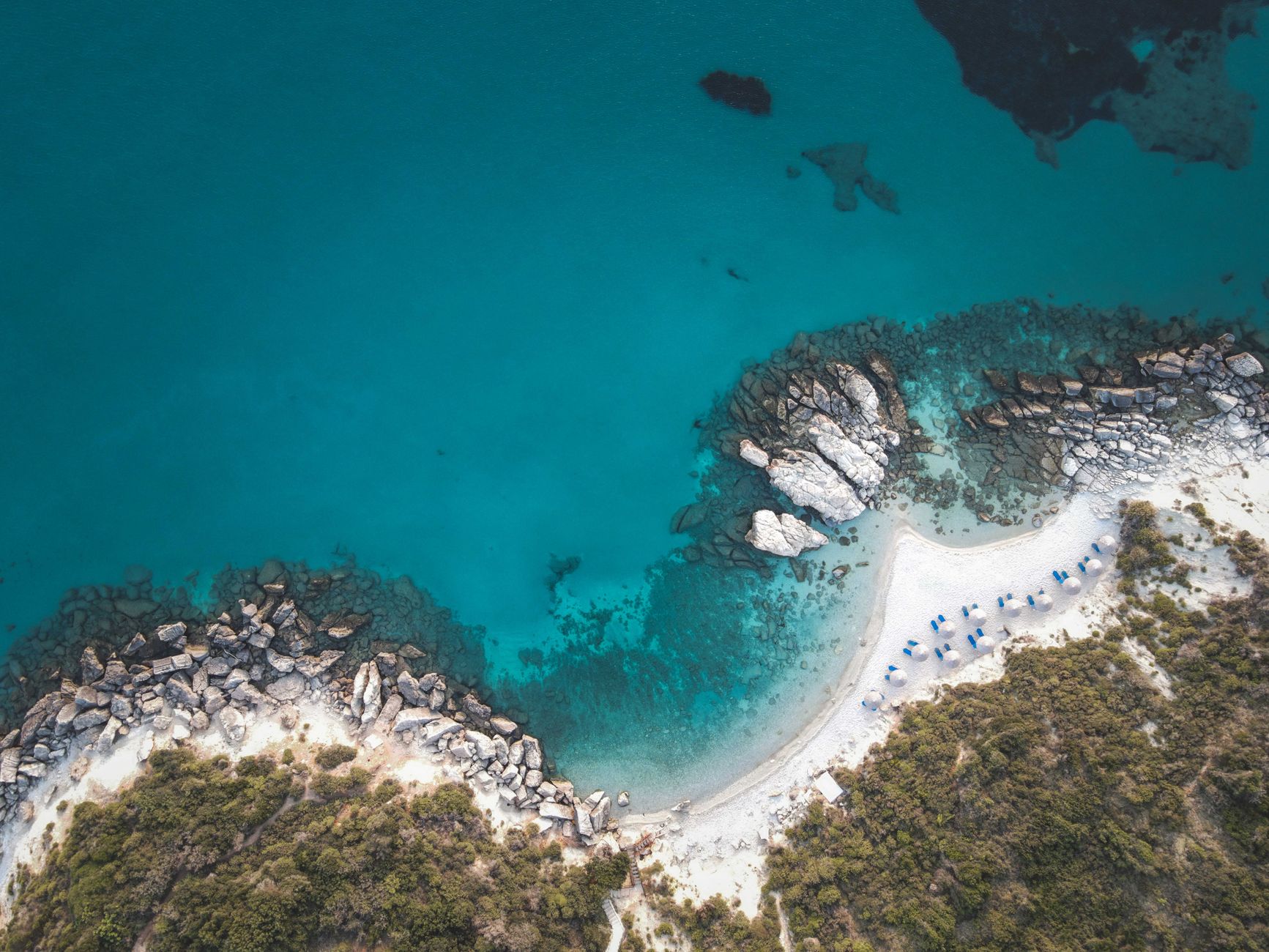
The Ciolo Bridge looms 40 meters above as you negotiate the final switchback down to the water. Locals have built wooden platforms onto the rock shelves, turning natural ledges into diving boards for teenagers who spend summer afternoons perfecting their backflips. You'll share the narrow pebble beach with Italian families who arrive early to claim their spots on the sun-warmed stone. Snorkeling here means navigating between kayakers and swimmers in a space no larger than a hotel pool, but the underwater scenery rewards the effort—schools of damselfish weave between submerged boulders, and if you swim toward the open sea, the rock face drops away into cobalt depths. The cove traps sunlight until late afternoon, when the bridge's shadow creeps across the water and signals the end of the swimming day. Above you, cars slow on the bridge as drivers peer down at the scene, and brave souls occasionally leap from the span itself, their shouts echoing off the limestone walls. By sunset, the last swimmers towel off on the platforms, leaving the cove to the sound of water lapping against stone and the occasional motorbike engine echoing from the coast road.
Places, rentals, tours and events within walking and driving distance of Ciolo Cove.
Photos
Swimming at Ciolo Cove is generally safe during calm weather, but the tiny cove has specific considerations. Access involves steep stairs carved into the rock face, requiring reasonable mobility and caution, especially when wet. The water is deep close to shore with rocky entry points—water shoes are essential. There are no lifeguards or facilities. The famous Ciolo bridge overhead attracts cliff jumpers; while this is part of the area's appeal, swimmers should be aware of jumpers and maintain safe distance. Avoid visiting during rough seas or strong winds when conditions become hazardous.
Despite being a famous landmark, Ciolo Cove is tiny and fills quickly. Visit during May, early June, or September for better weather and fewer visitors. Weekday mornings before 9 AM offer the best chance of experiencing the cove with minimal crowds. July and August see peak tourist numbers and the small space becomes extremely crowded—arrive at dawn if visiting in high summer. Late afternoon after 5 PM can also be quieter as day-trippers depart. Consider that the cove's fame as an Instagrammable spot means it attracts visitors year-round, though off-season offers significantly more solitude.
Ciolo Cove is located near Gagliano del Capo in southern Salento, approximately 60 kilometers from Lecce. By car, follow signs toward the Ciolo bridge on the coastal road between Santa Cesarea Terme and Santa Maria di Leuca. Parking is available near the bridge, though spaces are limited and fill early during summer—arrive before 9 AM in peak season. From the parking area, access the cove via a steep stairway cut into the cliffside. The descent requires care and reasonable fitness. Public transport is limited; driving or organized tours from Lecce or nearby towns are most practical.
Ciolo Cove itself has no facilities—no bathrooms, showers, or food service. Visitors must bring all necessities including water, snacks, and sun protection. Near the bridge above, you may find a seasonal kiosk or small bar during summer months. For restaurants and accommodation, the nearest options are in Gagliano del Capo (about 5 kilometers inland) or coastal towns like Santa Cesarea Terme and Castro, both within 10-15 minutes by car. These towns offer hotels, B&Bs, vacation rentals, and traditional Apulian restaurants. Santa Maria di Leuca, about 10 kilometers south, has additional dining and lodging options.
Ciolo Cove's dramatic setting beneath the iconic Ciolo bridge makes it one of Apulia's most photographed coastal landmarks. The tiny cove, carved between towering cliffs, offers crystal-clear turquoise waters ideal for snorkeling and swimming in a spectacular natural amphitheater. The bridge overhead, a popular spot for thrill-seekers to cliff jump, adds to the site's unique character and visual drama. The combination of geological beauty, excellent water clarity, and the bridge's architectural presence creates an unforgettable Instagrammable location. Despite its small size, the cove represents southern Salento's rugged Adriatic coastline at its most photogenic and memorable.