Counting the waves…
Counting the waves…
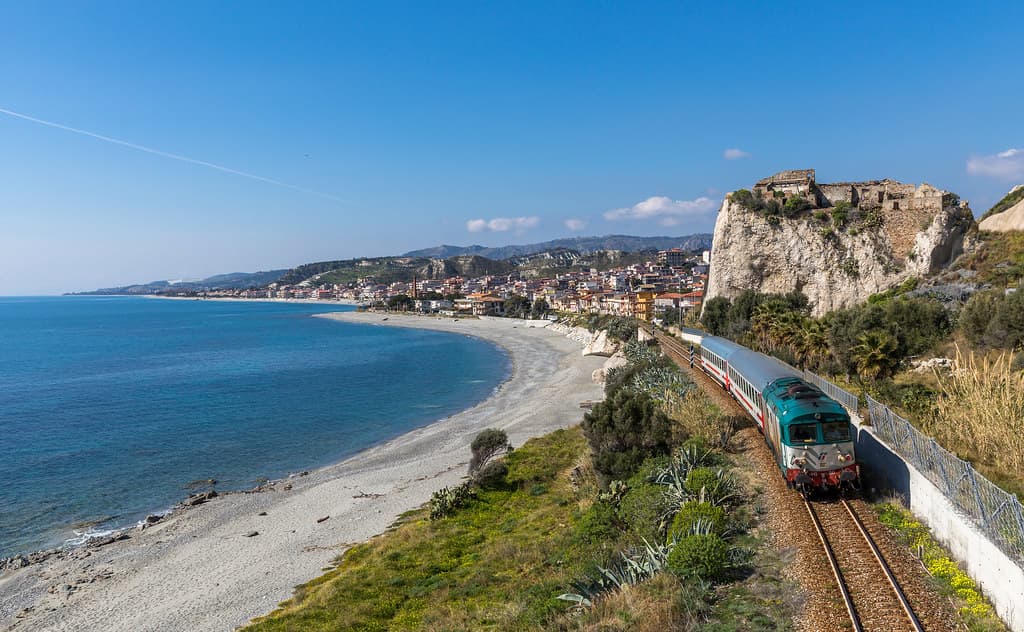
The cape thrusts into the sea like a stone blade, and the beaches on either side face different worlds. On the north flank, morning light gilds pebble crescents where the Ionian rolls in lazy, long-interval swells. Walk around the promontory and the character shifts—suddenly you're looking southwest toward Sicily across the Strait, where currents collide and the water darkens to indigo. The wind picks up here, always. The lighthouse stands sentinel on the cape's highest point, its white tower paint-peeled and empty since navigation went digital. Below it, narrow paths wind down through prickly pear and wild fennel to a succession of pocket beaches, each separated by low headlands of metamorphic rock. The pebbles underfoot range from marble-sized to fist-sized, warm to the touch by noon. You'll need water shoes; the locals wear old tennis sneakers. This is Calabria at its most elemental—no beach clubs, no umbrellas for rent, no gelato carts. A single dirt track leads here from the coastal road, passable but rutted. In August you might encounter a handful of Italians who know the spot. Most days you'll count more fishing boats on the horizon than people on the stones.
Places, rentals, tours and events within walking and driving distance of Capo Spartivento Beach.
Photos
Swimming at Capo Spartivento requires caution due to its remote, exposed location at Calabria's southeastern cape. The pebble beach meets waters that can experience stronger currents and winds than sheltered bays, particularly when weather systems move through the Ionian Sea. Conditions vary significantly with weather, so assess water state carefully before entering. The cape's position means waves and currents can be unpredictable. There are typically no lifeguards at this remote location, so swimmers should be confident and never swim alone. The rocky bottom requires water shoes for comfortable entry.
Capo Spartivento is best visited during late spring (May-June) and early autumn (September-October) when weather is pleasant but the remote location remains quiet. Summer months bring warmth but this area rarely experiences crowds due to its isolation. The cape is particularly stunning during golden hour for photography, and sunset views can be spectacular as the sun sets over the Ionian Sea. Wind conditions tend to be calmer in shoulder seasons. Winter visits are possible for dramatic coastal scenery, though swimming is only for the hardy. Weather can change quickly at exposed capes.
Reaching Capo Spartivento requires driving along the SS106 coastal road, then following local roads toward the cape area. The exact beach access points may involve minor roads or tracks, and clear signage can be limited in this remote zone. A car is essential as public transport doesn't serve this isolated area well. Roads may be narrow and winding. Bring supplies including water, snacks, and sun protection as facilities are minimal or nonexistent. GPS coordinates are helpful for navigation. The journey rewards those seeking solitude, but plan carefully and inform someone of your plans.
Capo Spartivento is a remote coastal zone with minimal infrastructure directly at the beach. Facilities, dining, and accommodation are found in nearby small towns such as Brancaleone, Palizzi Marina, or Melito di Porto Salvo, each a short drive away. These communities offer basic lodging options including small hotels and vacation rentals, plus trattorias serving local Calabrian dishes. It's essential to bring your own food, water, and supplies when visiting the cape itself. The nearest substantial services are in these surrounding villages, so plan accordingly for a day trip to this wild coastal area.
Capo Spartivento's uniqueness lies in its position at Calabria's southeastern cape, offering a true sense of remoteness and raw coastal beauty. Unlike developed beach resorts, this area showcases Calabria's wild side with dramatic scenery where land meets the Ionian Sea. The cape represents a geographical landmark where the coastline changes direction, creating distinctive views and seascapes. It's ideal for visitors seeking solitude, unspoiled nature, and dramatic sunset photography. The pebble beaches and rugged character attract those who appreciate authentic, uncommercialized coastal environments over manicured resort beaches.