Counting the waves…
Counting the waves…
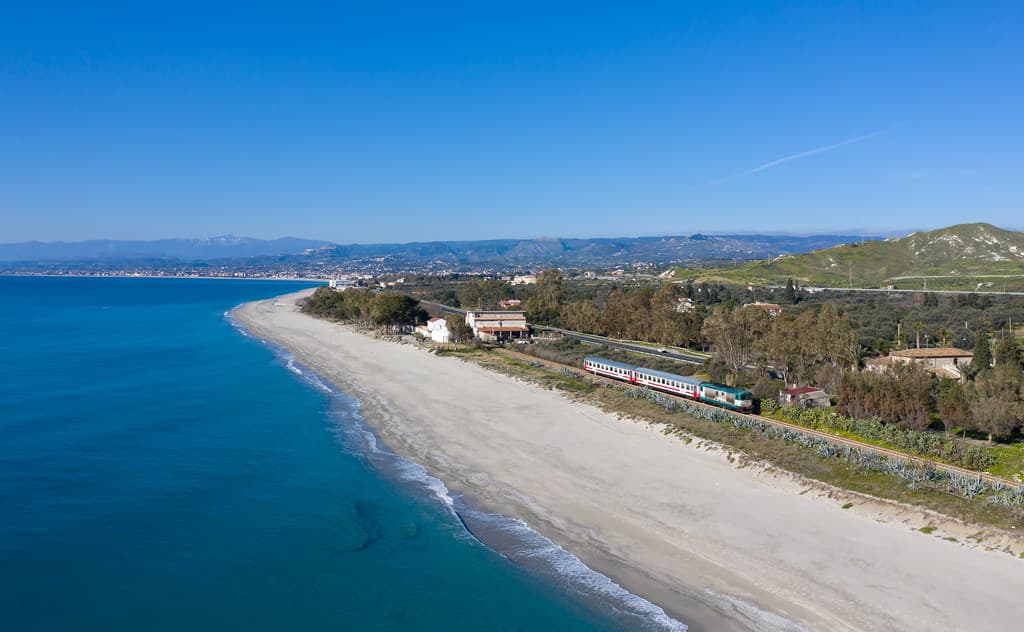
The sand here runs in a pale golden ribbon between the Ionian Sea and the orchards that climb toward Riace proper. You'll notice how the locals still set up their umbrellas in the same loose clusters, how the water takes on a greenish tint in the shallows before deepening to indigo just past the sandbar. Fishing boats rest on trailers near the small harbor, their hulls painted the faded blues and reds that mark every working coastline in Calabria. Families arrive mid-morning with coolers and folding chairs, claiming their spots near the gentle slope where children can wade safely. The beach itself is wide enough that you'll find solitude even in August if you walk ten minutes south toward the rocky outcrops. Tamarisk trees offer patchy shade along the backshore, their feathery branches moving in the afternoon breeze that reliably arrives around two o'clock. The story of the Riace Bronzes feels distant here—those fifth-century warriors now stand in a climate-controlled museum in Reggio Calabria—but the fishermen who remember that 1972 discovery still moor their boats nearby. You'll find a handful of seasonal beach clubs with modest changing facilities, a few sandwich shops, and not much else. The bergamot groves just inland perfume the air when the wind shifts westward.
Places, rentals, tours and events within walking and driving distance of Riace Marina Beach.
Photos
Riace Marina Beach is generally safe for swimming with calm, shallow waters typical of the Ionian coast, making it ideal for families with children. The sandy bottom and gentle slope provide comfortable access. During summer, the sea is usually tranquil, though occasional currents can develop. There are no permanent lifeguard services at this local beach, so supervision of children is essential. The beach's relaxed atmosphere and lack of crowds contribute to a peaceful, family-friendly environment throughout the season.
The best time to visit Riace Marina Beach for fewer crowds is during May, June, and September when the weather remains warm and sunny but Italian school holidays haven't started or have ended. Weekdays are significantly quieter than weekends even in peak summer. July and especially August see more visitors, though this beach remains relatively uncrowded compared to major resort destinations. Early mornings and late afternoons offer the most peaceful experience, while midday in high summer brings moderate beach activity from local families.
Riace Marina is located along the SS106 coastal highway in Calabria, easily accessible by car from Reggio Calabria (about 90km north) or from Catanzaro Lido (about 60km south). If traveling by train, the Riace station on the Ionian line is nearby, requiring a short walk to the beach. Street parking is generally available along the waterfront and in nearby residential areas, typically free outside of peak season. A car provides the most flexibility for exploring this quiet coastal area and nearby attractions.
Riace Marina offers basic accommodation options including small family-run guesthouses and vacation rentals, though choices are limited compared to larger resorts. For dining, you'll find local trattorias and pizzerias serving traditional Calabrian cuisine, fresh seafood, and regional specialties. Several beach bars and cafes operate during summer months. For wider selection, the nearby towns of Monasterace or Locri offer additional restaurants and hotels. Booking accommodation in advance during July and August is recommended, as this small community has limited capacity.
Riace Marina gained international fame in 1972 when two magnificent ancient Greek bronze warrior statues, known as the Riace Bronzes, were discovered in the sea just offshore by a snorkeling diver. These 5th-century BC masterpieces are now housed in the National Archaeological Museum in Reggio Calabria. While the statues themselves are not at the beach, the discovery site has made Riace Marina historically significant. The area celebrates this heritage, and visitors can reflect on this remarkable archaeological find while enjoying the same coastline where the bronzes rested for millennia.