Counting the waves…
Counting the waves…
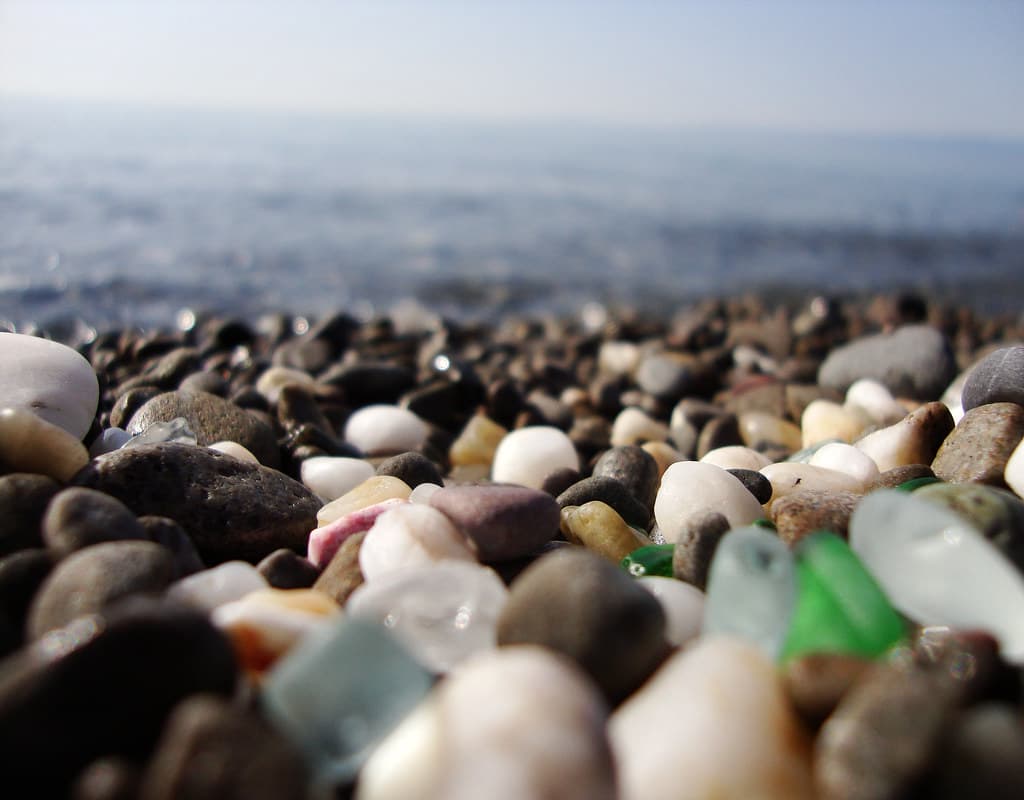
The castello sits on its limestone bluff like something from a fever dream—ochre walls rising straight from rock, crenellations sharp against the sky. Below, the beach stretches in a long curve of rounded stones that click and shift with each wave. You spread out where the beach widens near the torre, where Aleppo pines offer morning shade and the stones have been polished smooth by centuries of tide. The fortress above dates to the eleventh century, built by Normans who recognized the strategic value of this headland guarding the gulf. You enter water so clear the pebbled bottom remains visible even as you tread water twenty meters out. The shore drops sharply—within a dozen steps you're swimming, the sea floor falling away into channels where spigola and orata cruise. Small waves slap the stones with a rhythmic clatter, a sound that changes pitch as pebble sizes shift along the beach. By midday the stones radiate heat; you move constantly between water and towel, each immersion a reset, each emergence to bake a little more bronze. The town climbs the hill behind the beach—whitewashed houses with green shutters, balconies dripping geraniums, a lungomare where locals take the passeggiata after the heat breaks. A handful of lidos rent umbrellas and serve swordfish caught that morning off Punta Alice. At sunset, light turns the castello the color of raw sienna and throws its shadow across the entire beach, a sundial marking the day's end.
Places, rentals, tours and events within walking and driving distance of Roseto Capo Spulico Beach.
Photos
Yes, Roseto Capo Spulico Beach is generally safe for swimming during calm weather. The pebble shoreline creates a clean, clear water environment. However, the Ionian Sea can experience occasional currents and afternoon winds, so check local conditions before entering. The beach slopes gradually in most areas. Lifeguard services may be limited outside peak summer months. Wear water shoes for comfort on the pebbles, and supervise children closely near the water's edge, especially where larger stones are present.
The best time to visit is May through September when weather is warmest and most reliable. July and August bring peak crowds and hottest temperatures, ideal for swimming but busier. June and September offer pleasant weather with fewer tourists, perfect for couples seeking a quieter experience. The castle and scenic views photograph beautifully in the softer light of morning or late afternoon. Spring and autumn can be nice for walking but water may be too cool for comfortable swimming.
Roseto Capo Spulico is accessible by car via the SS106 coastal highway along Calabria's Ionian coast. The town has a train station on the regional line connecting Taranto and Reggio Calabria, making it accessible by rail. From the station or town center, the beach is a short walk downhill. Parking is available near the beach, though spaces can fill during peak season. The nearest major airport is Lamezia Terme, roughly 150 kilometers away, requiring onward travel by car or train.
Roseto Capo Spulico town offers hotels, B&Bs, and vacation rentals within walking distance of the beach. Several beachfront lidos provide sunbed rentals and casual dining during summer. The town center features restaurants serving Calabrian cuisine, including fresh seafood and local specialties. For groceries and supplies, small shops and markets are available in town. Dining options range from simple beachside cafés to traditional trattorias. Accommodation ranges from budget-friendly rooms to mid-range hotels, with advance booking recommended for July and August.
The Castrum Petrae Roseti, a medieval castle perched on a rocky outcrop above the beach, is the area's defining landmark. Built in the 11th century, it creates one of Calabria's most photographed coastal scenes. The castle's dramatic position overlooking the Ionian Sea makes the beach exceptionally scenic and Instagram-worthy. While the castle itself is privately owned and access may be limited, the views from the beach looking up at the fortress are spectacular. This combination of history and natural beauty distinguishes Roseto Capo Spulico from other Calabrian beaches.