Counting the waves…
Counting the waves…
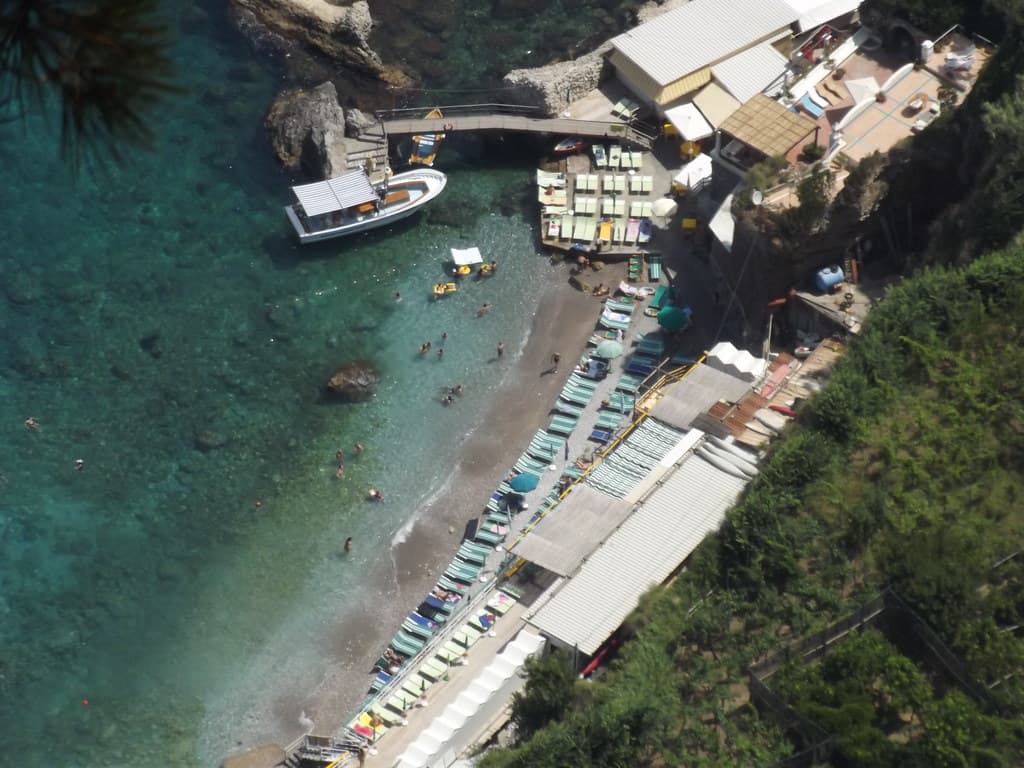
The approach by sea is the right one: you watch the northern coast unfold as the boatman rows past limestone grottos and collapsed villa terraces, their brick cores exposed like anatomical cross-sections. Bagni di Tiberio curves into view—a small cove flanked by the skeletal arches of the emperor's bathing complex, now home to lizards and wild fennel. You wade ashore over pebbles that clack and shift underfoot, each one polished to satin by centuries of tide. The water here is absurdly transparent. You can count pebbles on the seabed at chest depth, watch tiny wrasse nibbling algae off the rocks, track your own shadow as it ripples across the sandy patches between stone. A few bathers float on their backs near the old Roman breakwater, faces tilted skyward, limbs starfished in perfect stillness. The beach is narrow—barely twenty meters from waterline to the retaining wall where carob pods lie split and fermenting in the sun. You swim out past the bay's natural threshold, where the bottom drops and the water shifts from turquoise to a deeper teal. Behind you, the ruins hold their secrets: submerged mosaics, broken columns, the ghosts of imperial excess. A small trattoria operates from a converted boathouse, grilling octopus over lemon wood, and the scent drifts across the cove. This is Capri at half-speed, history-soaked and unhurried, the antithesis of the Piazzetta's carousel.
Places, rentals, tours and events within walking and driving distance of Bagni di Tiberio Beach.
Photos
Bagni di Tiberio Beach is safe for swimming, with clear, calm waters ideal for snorkeling around the rocky areas where you can observe marine life. The pebble beach means no sand clouds obscure underwater visibility. The water deepens gradually, suitable for confident swimmers, though less ideal for young children. A beach establishment provides some supervision during peak season. The bay is relatively sheltered, minimizing strong currents. Water shoes are recommended due to the pebble surface. The proximity to the ancient Roman ruins adds interest but doesn't pose swimming hazards.
Visit Bagni di Tiberio Beach early morning (before 10 AM) or during shoulder seasons (May-June or September-October) for a quieter experience. Being more remote than Marina Grande or Marina Piccola, it naturally attracts fewer day-trippers. Weekdays are significantly less crowded than weekends throughout the season. The beach is accessible from April through October, with swimming most pleasant from May onwards. Since it requires a boat trip or long walk, many tourists skip it, making it one of Capri's more peaceful options even in peak summer, especially compared to the island's famous main beaches.
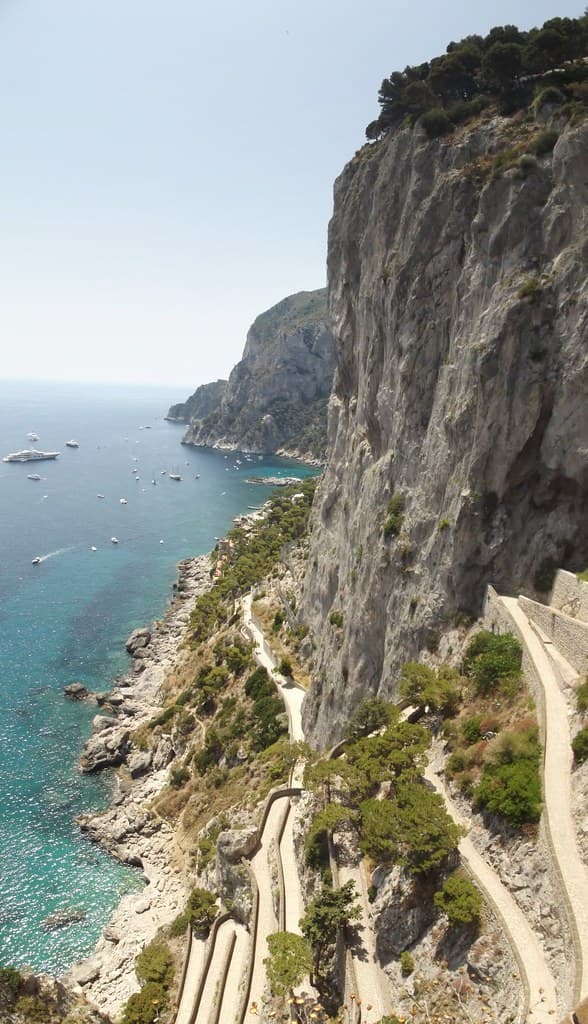
Reach Bagni di Tiberio Beach by taking a small boat taxi from Marina Grande, which takes about 10 minutes and offers scenic coastal views. Alternatively, walk from Capri town or Marina Grande via a scenic but steep coastal path that takes approximately 30-45 minutes. The walking route passes through beautiful landscapes but requires good fitness and sturdy shoes. Some visitors combine the journey by walking one way and taking a boat back. During summer, regular boat services operate from Marina Grande, while in off-season, you may need to arrange private transport or rely on the walking path.
Bagni di Tiberio features a historic beach establishment with a restaurant serving fresh seafood and traditional Caprese cuisine, including local specialties and refreshing drinks. The facility offers sun lounger and umbrella rentals, changing rooms, and basic amenities. Reservations are recommended during peak season, especially for lunch with a sea view. The restaurant has a relaxed atmosphere compared to Capri's more upscale venues, with reasonable prices by island standards. No hotels are directly at the beach, but Capri town and Marina Grande offer numerous accommodation options within a short boat ride or walk.
The area around Bagni di Tiberio contains remnants of ancient Roman structures, traditionally associated with Emperor Tiberius who ruled from Capri. The ruins include what are believed to be parts of an imperial villa and bathing facilities, though much has been lost to time and the sea. While some ruins are partially submerged and visible while snorkeling, others are on land near the beach. Access is generally unrestricted for viewing from the beach area, though extensive archaeological zones may have limited access. The historical atmosphere adds unique cultural depth to your beach visit.