Counting the waves…
Counting the waves…
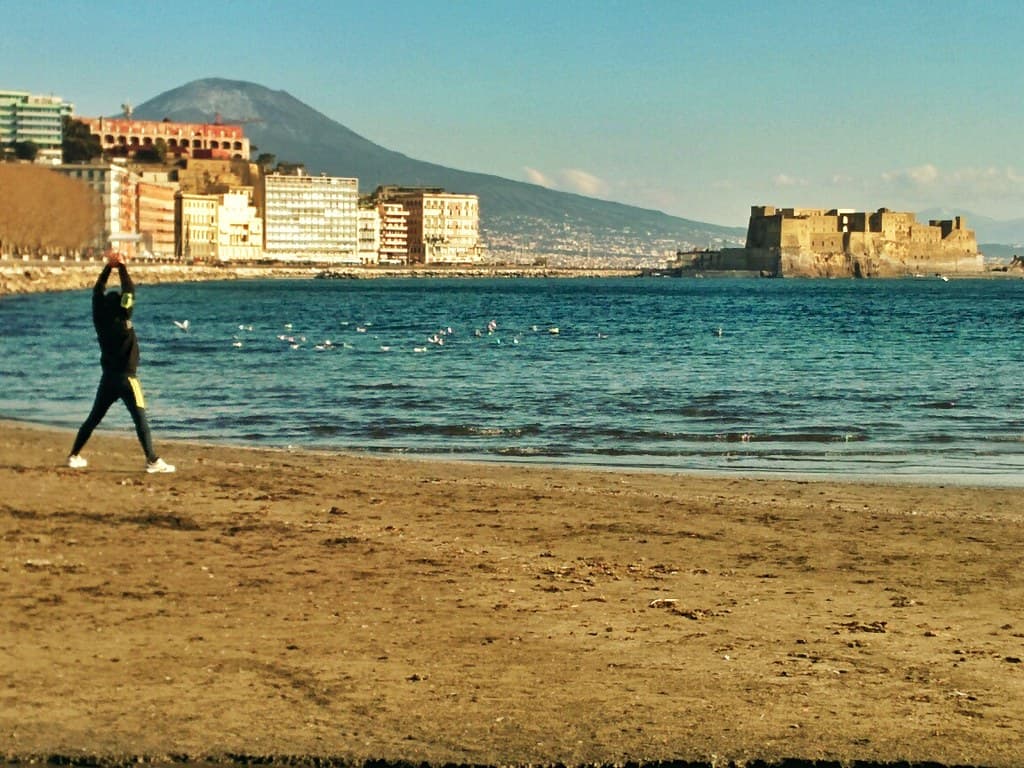
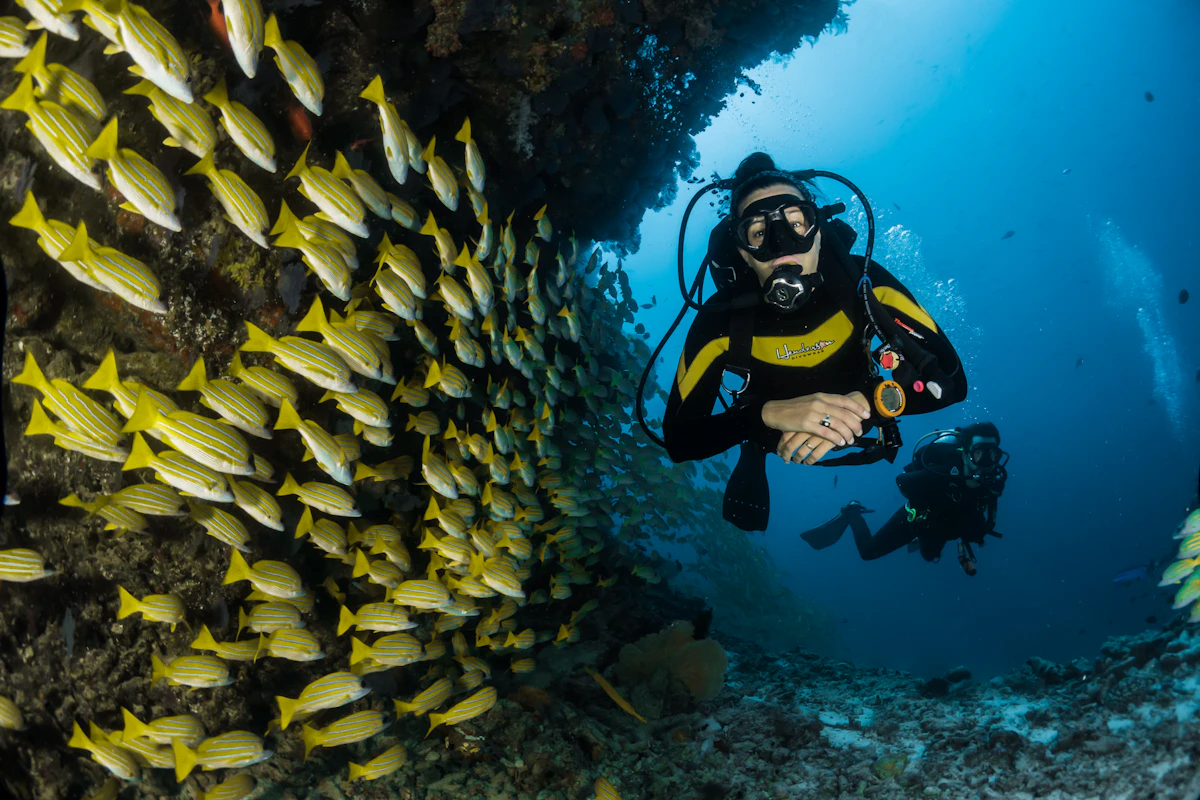
You'll find the entrance on Via Posillipo, where a nondescript gate opens onto a stairway that spirals down through the tuff cliff. The descent takes five minutes, passing through rock tunnels that drip with mineral water and emerge onto a small concrete platform wedged between volcanic boulders. The beach itself barely qualifies—a few meters of rounded stones at high tide, a bit more when the water retreats—but the cove's real estate lies below the surface. The Gaiola Marine Protected Area spreads across the underwater landscape, encompassing Roman fish farms, sunken mosaic floors, and columns that once supported Augustan villas. Snorkel out and you'll swim over two thousand years of history: amphora shards nestle in seagrass, ancient breakwaters host octopus colonies, and schools of salema porgy flow past your mask in silver rivers. The water holds that startling electric blue particular to volcanic coasts, clear enough to count rocks three fathoms down. The two Gaiola islets rise just offshore—the larger topped by a yellow villa with a reputation for bringing financial ruin to its owners, standing empty now and slowly surrendering to weather. Above water, Posillipo's grand villas cascade down the cliff, their gardens spilling bougainvillea over retaining walls. The city feels distant despite being twenty minutes away by scooter. You'll hear only waves against rock, seabirds working the tideline, and the occasional research boat from the marine center checking monitoring stations. The protected status means no fishing, no boats anchoring, no crowds—just Naples' best-kept swimming secret hiding in plain sight below the millionaires' hill.
Places, rentals, tours and events within walking and driving distance of Gaiola Beach.
Photos
Swimming at Gaiola Beach is generally safe, as the cove is part of the protected Gaiola Underwater Park marine reserve. The calm, sheltered waters make it suitable for swimming and snorkeling. However, the beach is small and rocky, so wear water shoes for easier access. The protected status means the water quality is monitored and typically excellent. Be aware that the area can get crowded during peak summer months, and facilities are limited. Always check local conditions before swimming.
The best time to visit Gaiola Beach is from May to June or September to early October when you'll enjoy pleasant weather with fewer crowds than peak July-August. Early mornings or weekdays offer the most peaceful experience, as this small cove fills quickly. Spring and early autumn provide ideal conditions for snorkeling with good visibility. Winter months are generally too cool for swimming, though the area remains scenic. Summer weekends can be extremely crowded due to its popularity with Naples locals.
From central Naples, take bus 140 from Piazza Vittoria toward Posillipo and get off at Discesa Gaiola, then walk down the steep path to the beach. The journey takes approximately 30-40 minutes. Alternatively, you can drive and park in the Posillipo neighborhood, though parking is limited and challenging during summer. Some visitors combine the beach visit with exploring the nearby Gaiola Underwater Park and Posillipo archaeological sites. Taxis are another option but can be expensive from the city center.
Gaiola Beach itself has minimal facilities, but the surrounding Posillipo area offers several seafood restaurants and cafes within walking distance. Most visitors stay in central Naples, which is only a short bus ride away and offers extensive accommodation options for all budgets. The nearby Marechiaro fishing village has traditional trattorias serving fresh seafood. It's advisable to bring your own food and water to the beach, as on-site options are very limited. The area is primarily residential rather than tourist-oriented.
Gaiola Beach's uniqueness lies in its position within a protected marine park, offering exceptional snorkeling opportunities with underwater archaeological ruins, including ancient Roman structures. The turquoise waters and dramatic rocky coastline create a stunning natural setting despite being so close to urban Naples. The tiny island of Gaiola sits just offshore, connected by a narrow bridge and adding to the scenic charm. This combination of natural beauty, marine protection, and archaeological heritage makes it stand out from typical city beaches in the Naples area.