
Counting the waves…
Counting the waves…
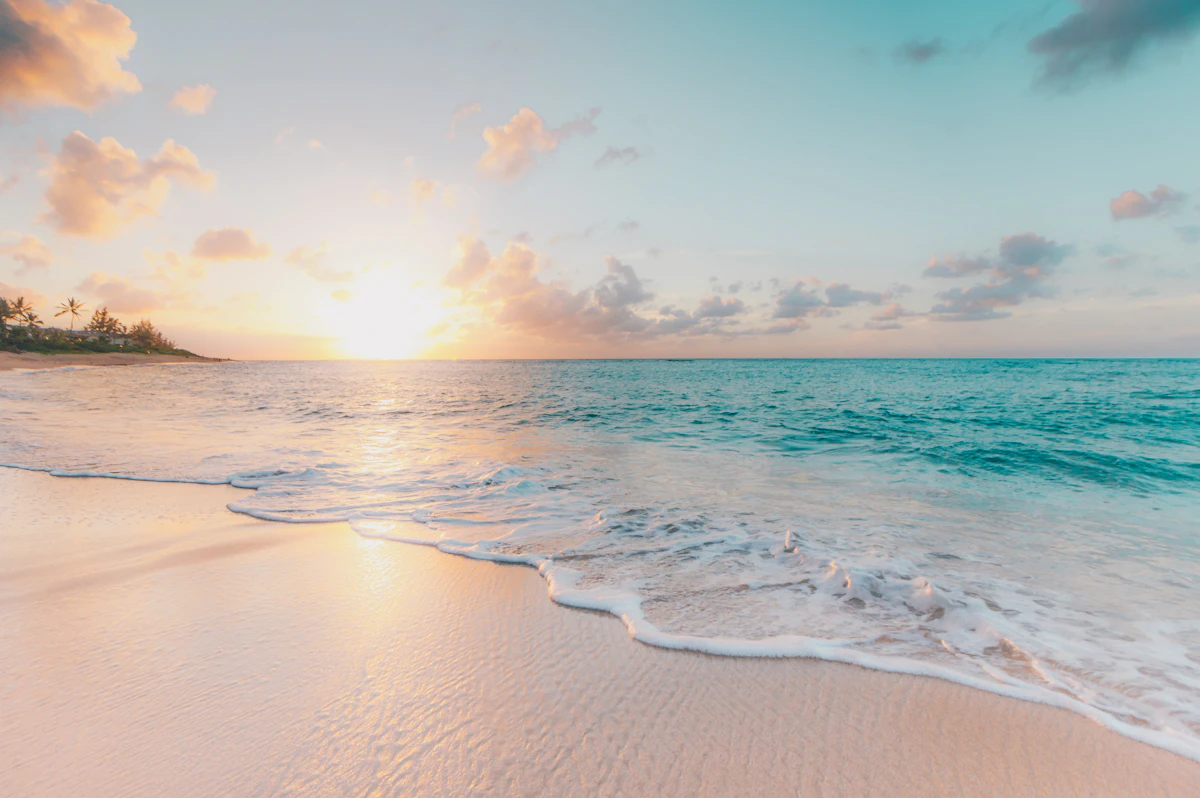
The beach stretches for kilometers along the Tyrrhenian, a generous ribbon of tawny sand backed by the town's lungomare and the railway line that stitches Calabria's western coast together. You can hear the trains from the waterline—the clatter and hiss as they pull into the station—but the sound becomes background, blending with the waves and the chatter of beachgoers. Lidos line the shore in close succession, their umbrellas planted in ruler-straight rows, while patches of free beach offer space for those who prefer to bring their own setup. This is a town beach in every sense: locals claim their favorite spots with the ease of habit, vendors circulate selling taralli and cold beer, and the beach bars serve espresso and cornetti alongside sunscreen and inflatable toys. The water is warm and shallow, the waves gentle, and by midday the scene is in full swing—kids splashing in the shallows, teenagers tossing a volleyball, retirees sitting in the shade reading La Gazzetta dello Sport. Come evening, the lungomare fills with the passeggiata crowd. Pilgrims from the Santuario di San Francesco mix with townspeople and summer visitors, all strolling the promenade as the sun sinks behind the headland. The smell of fritto misto drifts from the restaurants; gelaterias do brisk business. This isn't a beach for solitude or quiet romance—it's Paola's public living room, where the rhythms of a coastal town play out in full view.
Places, rentals, tours and events within walking and driving distance of Paola Beach.
Photos
Paola Beach is generally safe for swimming with a sandy bottom and gradual entry into the water, making it suitable for families with children. As an urban beach in a major coastal town, it typically has lifeguard services during the summer season. The calm Tyrrhenian waters are usually gentle, though conditions can vary with weather. Some sections feature beach clubs with supervised areas. Being an urban location, the beach is well-maintained and accessible, though visitors should observe local safety flags and follow posted guidelines during their visit.
Paola Beach is suitable for visiting anytime from late spring through early autumn, with peak season running June through August. Summer offers the warmest water and full beach services, though it can be crowded, especially during Italian holidays. The shoulder seasons of May, June, and September provide pleasant weather with fewer visitors and better value accommodations. Paola's status as a year-round town means some restaurants and services remain open off-season. Winter visits are possible for coastal walks, though swimming is less comfortable and many beach facilities close.
Paola is highly accessible as a major stop on the main coastal railway line connecting Naples, Salerno, and Reggio Calabria. Frequent trains serve the town, making it easy to reach without a car. The beach is approximately a 10-15 minute walk from Paola's train station. By car, Paola is located directly on the SS18 coastal road with exits from the A2 motorway. Parking is available near the waterfront, though spaces can be limited in summer. The town's central location makes it a convenient base for exploring Calabria's Tyrrhenian coast.
As a sizable coastal town, Paola offers diverse dining and lodging options for various budgets. The waterfront area features numerous seafood restaurants, pizzerias, trattorias, and gelaterias serving traditional Calabrian cuisine. Hotels range from budget-friendly options to mid-range establishments, with many vacation rentals available. The town center, located uphill from the beach, provides additional restaurants and services. Beach clubs along the shore offer snacks and drinks during summer. Being a functioning town rather than purely a resort, many businesses operate year-round, making it accessible for budget travelers.
Paola Beach stands out as an authentic urban beach serving a working coastal town rather than a purpose-built resort. This gives it a genuine local atmosphere where visitors experience everyday Calabrian life. The town is also significant as the birthplace of Saint Francis of Paola, with the important Sanctuary of Saint Francis located nearby, attracting pilgrims alongside beachgoers. The combination of beach tourism, religious heritage, and functioning town creates a unique cultural experience. Its central location and excellent transport connections make it ideal for those exploring multiple Calabrian destinations.