Counting the waves…
Counting the waves…
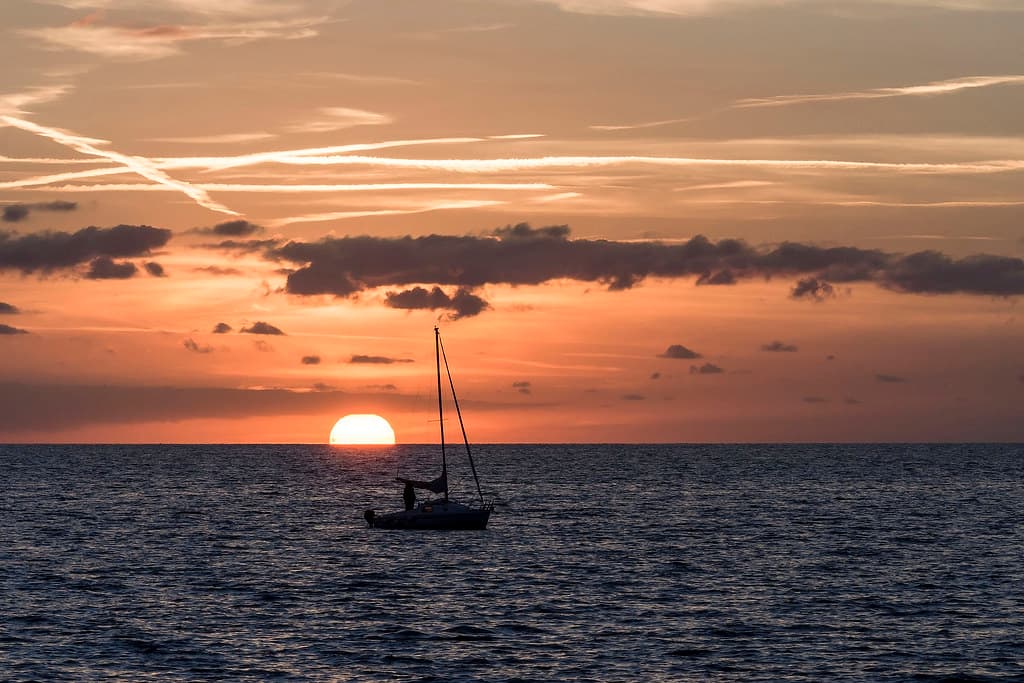
The piers of Barcola march into the Adriatic in repeating geometry—white concrete platforms separated by pebbled beach, each one a stage for the city's daily theater of swimming and sun. You spread your towel among hundreds of others, shoulder to shoulder in high summer, yet somehow the rhythm feels communal rather than crowded. Teenagers leap from pier edges while grandmothers descend ladders with the practiced ease of seventy summers. The water is cold, even in July, shocking your system before you settle into a stroke parallel to the shore. Behind the beach, the lungomare promenade curves for two kilometers beneath plane trees, crowded with joggers, cyclists, and couples taking the passeggiata. Cafés spill onto the waterfront, serving espresso and gelato to people still damp from swimming. You can walk from Piazza Venezia to Miramare Castle without leaving the seafront, the entire route lined with these white piers and the bodies draped across them. The Karst plateau rises inland, its limestone face visible above the city's Belle Époque architecture. Sunset is the main event: the gulfs turns to hammered copper, the Slovenian coast across the water goes violet, and the piers fill with people who've come straight from work. You watch the light die from a concrete platform, feet in cold water, surrounded by a city that has perfected the art of living beside the sea. By dark the waterfront cafés are full and the piers are empty except for late swimmers and their small rebellions against the day's end.
Places, rentals, tours and events within walking and driving distance of Barcola Beach.
Photos
Barcola Beach is generally safe for swimming during the summer season, with lifeguard services typically available at certain sections during peak months. The beach features concrete platforms and pebbled areas rather than sandy shores. Waters are usually calm, though the Adriatic can experience occasional waves and currents. Water quality is regularly monitored by local authorities. The urban setting means the beach is well-patrolled and facilities are nearby. However, swimmers should be aware of boat traffic in the gulf and respect any posted flags or warnings about conditions.
Barcola Beach is accessible year-round and locals visit in all seasons, making it truly an "anytime" destination. For swimming and sunbathing, June through September offers the warmest weather. However, Barcola has a unique charm outside peak season—spring and autumn are perfect for walks along the seafront promenade with fewer crowds. Winter brings the famous Bora wind, creating dramatic wave-watching opportunities. Sunset visits are particularly atmospheric throughout the year. Weekends during summer see the heaviest crowds, so weekdays offer a more relaxed experience while still enjoying the vibrant local atmosphere.
Barcola Beach is extremely accessible from central Trieste, located just 4-5 kilometers northwest along the coast. City bus line 6 runs frequently from Piazza Oberdan in the center directly to Barcola, taking approximately 15-20 minutes. By car, follow the coastal road (Viale Miramare) with several parking areas available, though spaces fill quickly on summer weekends. Cycling is popular along the dedicated seaside path. Many visitors simply walk along the scenic waterfront promenade from the city center, which takes about an hour and offers beautiful gulf views along the way.
Barcola offers excellent food and beverage options along its entire seafront promenade. Numerous cafés, bars, and restaurants line Viale Miramare, serving everything from quick snacks and gelato to full seafood meals and traditional Triestine cuisine. Many establishments have terraces with sea views perfect for aperitivo at sunset. Beach clubs (bagni) offer refreshment services directly on the waterfront. Prices range from casual to upscale. The area stays lively into evening with locals gathering for drinks and socializing. For accommodation, central Trieste hotels are just minutes away by bus or car.
Barcola is deeply woven into Trieste's identity as the city's primary seaside gathering place and social hub. Unlike typical resort beaches, it serves as an extension of urban life where locals have gathered for generations. The long concrete platforms and unique bathing culture reflect Trieste's Austrian-Hungarian heritage and cosmopolitan character. The promenade hosts the famous Barcolana regatta each October, one of the world's largest sailing races. The beach embodies Trieste's relationship with the sea—it's not just about swimming, but about community, tradition, and the city's distinctive café culture meeting the Adriatic waterfront.