Counting the waves…
Counting the waves…
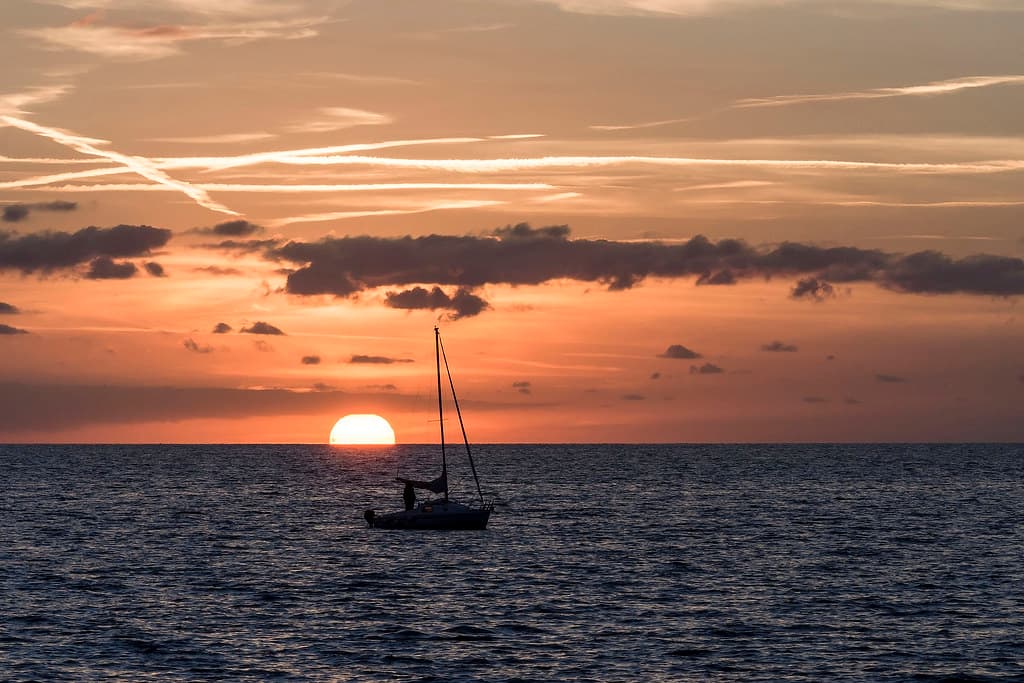
The poured-concrete decks of La Lanterna step down to the Adriatic in geometric precision, each tier dotted with sunbathers who've claimed the same spot for decades. You descend metal ladders into water so cold in June it shocks your lungs, then float in the Gulf of Trieste while ferries glide toward Slovenia. The red-and-white lighthouse—la lanterna—stands sentinel over a social institution older than most of the city's cafés. Triestini call this place Pedocin, the historic bathing establishment that has served as democracy in swimwear: lawyers beside dockworkers, grandmothers coaching grandchildren off the diving board, teenagers sprawled with paperbacks in four languages. You spread your towel on sun-warmed stone and join a republic of regulars who measure summer not in months but in swims. The Bora wind, when it blows, turns the ordinarily calm surface into chop that slaps the platforms. By evening the light softens to amber and the after-work crowd arrives, some still in office clothes, descending for a quick plunge before aperitivo. You'll hear Triestine dialect, the city's own variety of Venetian, mixing with Italian and Slovene. The lighthouse beam begins its rotation as you towel off, the same rhythm that has marked sunset here for more than a century.
Places, rentals, tours and events within walking and driving distance of La Lanterna Beach.
Photos
La Lanterna, known locally as Pedocin, is safe for swimming with facilities and services typical of an established urban beach. Lifeguard supervision is generally available during summer operating hours. The bathing area features platforms and designated swimming zones in the gulf waters. Water quality is monitored by local authorities as part of Trieste's public bathing system. The beach operates as a traditional stabilimento with changing facilities and amenities. Being an urban beach with regular patronage and staff presence adds security. However, swimmers should always observe posted conditions and respect any warnings about currents or weather affecting the Adriatic waters.
La Lanterna is accessible year-round as part of Trieste's waterfront, though swimming season typically runs May through September when facilities are fully operational. The "Anytime" designation reflects its role as a local landmark rather than purely seasonal destination—Triestini visit the area throughout the year. For sunbathing and swimming, June through August offers peak conditions and the full beach club atmosphere. Spring and autumn provide pleasant weather for enjoying the waterfront promenade and facilities with fewer crowds. Even winter, the area attracts locals for walks and the historic bathing culture that defines this neighborhood. Weekdays are generally less crowded than weekends.
La Lanterna Beach is located along Trieste's waterfront, easily accessible from the city center. Public buses connect central areas to the Lanterna neighborhood; check Trieste Trasporti routes for current services. By car, follow the coastal road south from the center toward Muggia; parking is available nearby though spaces can be limited in summer. Many visitors walk or cycle along the waterfront promenade, which provides scenic access and takes roughly 20-30 minutes from central Piazza Unità. The urban location means taxis and ride services are also viable options. Being within city limits makes La Lanterna highly accessible without special transportation needs.
La Lanterna operates as a traditional beach establishment (stabilimento) with on-site facilities including a bar and restaurant serving refreshments, snacks, and meals during operating season. The beach club provides changing rooms, showers, and rentable sun loungers and umbrellas. The surrounding neighborhood offers additional cafés and trattorias within walking distance. Being in urban Trieste means full city amenities are nearby, including supermarkets and diverse dining options. For accommodation, staying anywhere in Trieste provides easy access to La Lanterna. The facilities reflect the beach's role as a local institution rather than tourist resort, offering authentic Triestine atmosphere.
La Lanterna, commonly called Pedocin by locals, holds deep cultural significance in Trieste's history as one of the city's traditional bathing establishments. The name "Pedocin" reflects the Triestine dialect and generations of local usage. The beach represents Trieste's unique bathing culture that developed during the Austrian-Hungarian period, when such establishments became important social venues. The site embodies the city's relationship with the sea and its cosmopolitan heritage. For Triestini, it's not just a beach but a cultural institution tied to local identity, social rituals, and collective memory. This historical depth makes it genuinely special beyond its physical characteristics as an urban waterfront.