Counting the waves…
Counting the waves…

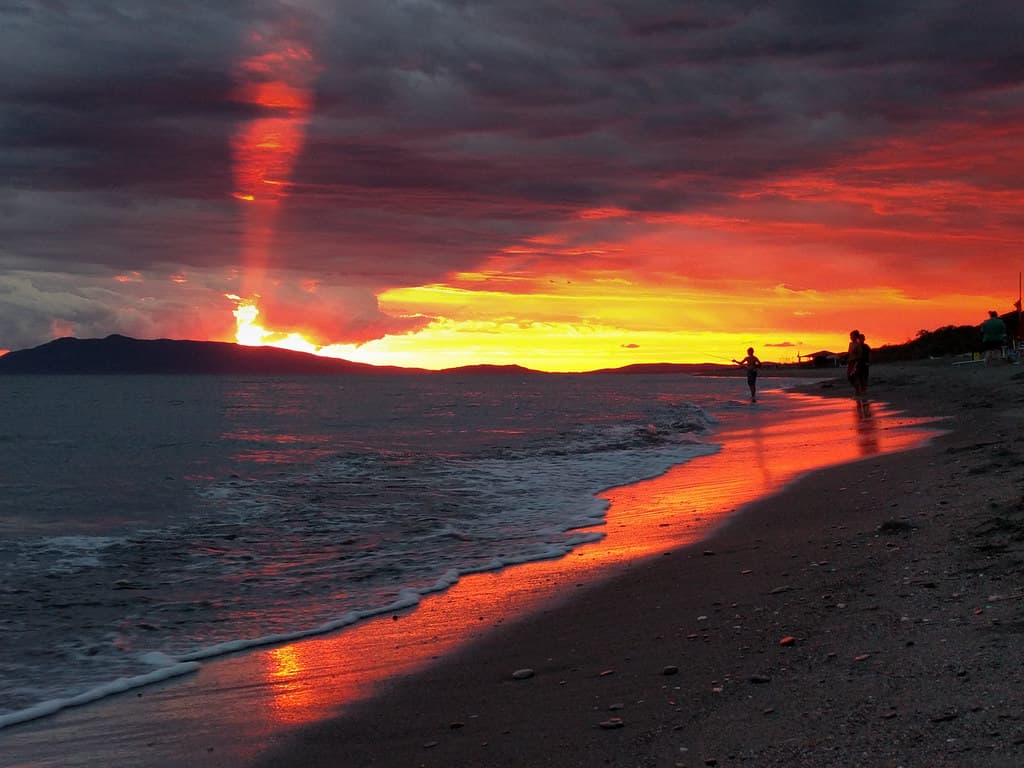
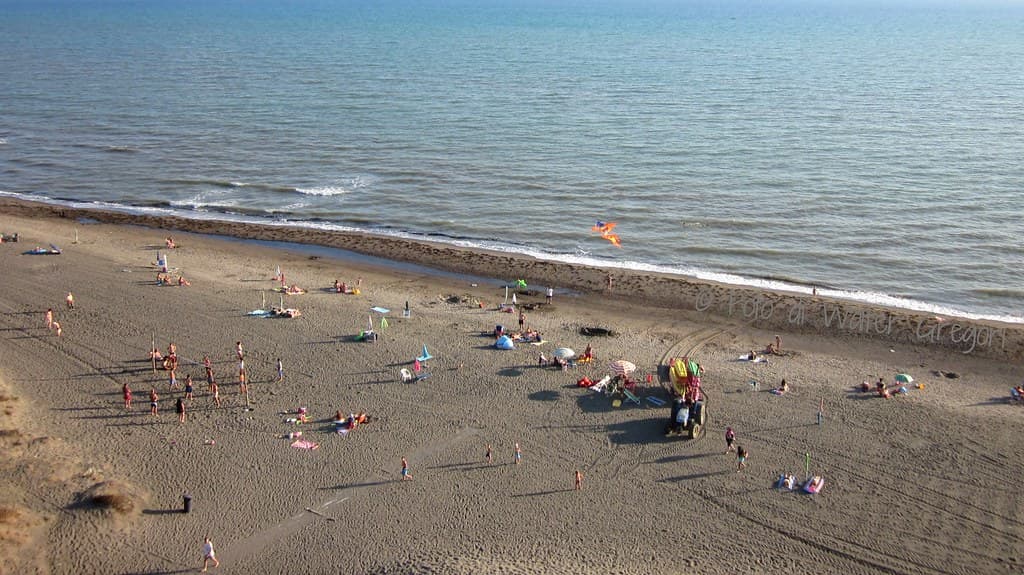
The sand here is pale gold, fine-grained, and broad enough that even at peak season you can find space to spread a towel beyond the stabilimenti clusters. Pine forest edges the beach for much of its length, the trees releasing their resinous scent in the afternoon heat and providing patches of shade where families picnic on checkered blankets. The water approaches in gentle, rhythmic sets—waves large enough to provide a pleasant soundtrack but small enough that toddlers wade confidently in the shallows. You swim out and the seafloor descends in gradual increments, the water maintaining that warm, swimmable temperature from June through September. Small fishing boats dot the horizon; occasionally a sailboat tacks past, its white canvas bright against blue. The beach culture here leans local and unpretentious—neighboring umbrellas host card games and long conversations in dialect, vendors sell grilled corn and cold drinks from wheeled carts, lifeguards perch in wooden towers scanning the water with practiced attention. The town behind the beach is modest—a handful of hotels and apartment blocks, a main street lined with pizzerias and gelaterias, a small morning market where farmers sell tomatoes and zucchini flowers. As the day cools, the pine-shaded lungomare fills with cyclists and evening strollers. The sunset here lacks dramatic cliffs or castle silhouettes but offers something quieter: just sand, sea, and the soft light that turns the Tyrrhenian golden before dark.
Places, rentals, tours and events within walking and driving distance of Montalto Marina Beach.
Photos
Montalto Marina Beach is generally safe for swimming with gentle slopes and sandy seabed ideal for families with children. The long, wide shoreline provides plenty of space, reducing crowding. Lifeguard services operate during summer peak season at certain sections. Water quality is typically good, though it's wise to check local conditions after storms. The beach's family-friendly reputation stems from calm waters and shallow entry points, making it suitable for less confident swimmers and young children throughout the main bathing season.
The optimal period for Montalto Marina Beach is May through September, with July and August being warmest but most crowded. June and September offer pleasant weather with fewer tourists and more affordable accommodation. Water temperatures are comfortable from June onwards, peaking in August. Spring and autumn provide milder conditions suitable for beach walks and sunbathing, though swimming may be brisk. Weekdays are quieter than weekends when Romans drive up. Arrive early during peak summer months to secure good spots and parking near this popular northern Lazio destination.
Montalto Marina is approximately 100 kilometres northwest of Rome, reachable by car in about 90 minutes via the SS1 Aurelia coastal road. Driving offers the most flexibility for beach gear and exploring nearby areas. Regional trains run from Rome to Montalto di Castro station, followed by local bus or taxi to the beach (about 5 kilometres). Bus services connect during summer but are less frequent off-season. Parking is available near the beach, both free and paid zones depending on proximity. Consider traffic on summer weekends when Romans head to the coast.
Montalto Marina offers beachfront restaurants, pizzerias, and cafés serving fresh seafood and traditional Lazio cuisine. Beach clubs (stabilimenti balneari) provide lounger rentals and on-site dining throughout summer. Accommodation ranges from seaside hotels and vacation apartments to nearby camping facilities popular with families. The town of Montalto di Castro, a few kilometres inland, has additional restaurants and lodging options often at better value. Local specialties include seafood pasta and Roman-style preparations. Grocery stores and markets are available for self-catering visitors staying in rental properties along this resort stretch.
Montalto Marina serves as a gateway beach to northern Lazio, marking the beginning of the region's coastline near the Tuscany border. Its exceptionally long, uninterrupted sandy shoreline provides a more spacious, less developed feel than beaches closer to Rome. The area appeals to visitors seeking a quieter alternative to heavily commercialized resorts while maintaining good facilities. Proximity to Etruscan archaeological sites in Tarquinia and Vulci adds cultural dimension to beach holidays. The beach attracts a mix of Italian families and those exploring the lesser-known Tuscia coastal area.