Counting the waves…
Counting the waves…
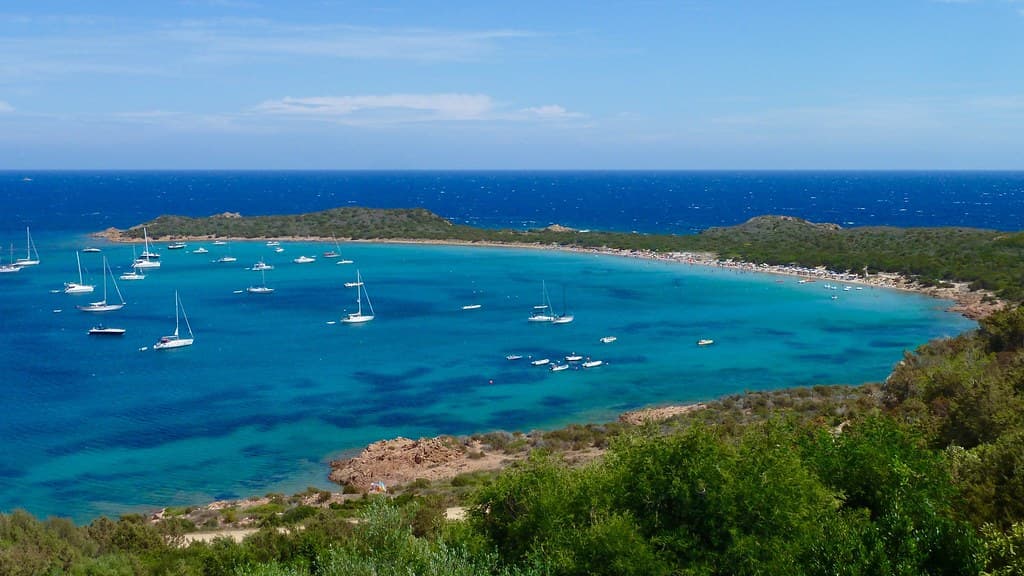
The southern exposure and curved headlands turn Cala Suaraccia into a sun trap—by ten the sand radiates heat, and the water inside the cove sits two degrees warmer than the open sea beyond the rocks. You'll see why families colonize this beach early: the seabed stays shallow for twenty meters, the sand free of rocks and urchins, the waves reduced to gentle undulations even when the forecast shows whitecaps offshore. Snorkelers work the eastern margin where granite boulders create a miniature reef system, schools of salema porgy hanging in the water column like suspended commas. The clarity here approaches the quality of the famous coves nearby—you can count individual scales on fish hovering three meters down—but the cove's protection makes it safer for children, less dramatic for photographers, more forgiving of uncertain swimmers who want beauty without undertow. By noon the small beach fills to comfortable capacity, though never the shoulder-to-shoulder density of more accessible coasts. A few pines at the back offer natural shade, and the walk from the parking area filters out the casual beachgoers, leaving a self-selected crowd that doesn't mind carrying gear for ten minutes. The mistral that batters the northern cape in afternoon barely ruffles the water here, and you can float on your back in late-day warmth, the granite hills cupping the cove like protective hands, understanding why locals call this place by a name that suggests delicate, beautiful things.
Places, rentals, tours and events within walking and driving distance of Cala Suaraccia.
Photos
Cala Suaraccia is particularly safe for families due to its sheltered cove shape that protects it from wind and waves. The water is shallow for a good distance from shore, with a sandy bottom ideal for children. Snorkeling is excellent and safe, with clear waters and rocky areas hosting colorful fish and marine life. The natural protection makes conditions calm and predictable. However, no lifeguards are present, so adult supervision remains essential. The combination of shelter, visibility, and gentle entry makes this one of the safer snorkeling spots in the area.
The optimal time to visit is during May-June or September-October for warm weather, excellent swimming conditions, and manageable crowds. July and August bring more visitors but the cove's smaller size means it can feel busy. Early morning visits any time of season offer the best experience with fewer people and ideal light for underwater visibility while snorkeling. The sheltered nature of the cove means it remains swimmable even on breezy days when more exposed beaches become choppy. Weekdays are considerably quieter than weekends throughout the season.
Cala Suaraccia is located in the protected Capo Coda Cavallo area, about 10-15 minutes by car from San Teodoro. Follow signs toward Capo Coda Cavallo marine area. Access may involve a short walk from parking areas, as the protected status limits development. During peak season, parking can be challenging and may require arriving early. Some stretches of access road may be unpaved. The beach is not served by public transport, so a car or scooter is necessary. Consider combining your visit with nearby coves as they're within close proximity.
Cala Suaraccia has minimal to no permanent facilities due to its location within a protected natural area. Visitors should bring all necessary supplies including food, water, sun protection, and shade. The nearest services are in San Teodoro, approximately 15 minutes away, offering supermarkets, restaurants serving Sardinian cuisine and seafood, and various accommodation types. Some vacation rentals and small hotels exist in the Capo Coda Cavallo area itself. The lack of development preserves the cove's natural beauty. Always pack out any trash to protect this pristine environment.
Cala Suaraccia is nicknamed "Le Farfalle" (The Butterflies) locally, though the exact origin of this poetic name isn't definitively documented. Some suggest it refers to the butterfly-like shape of the cove or surrounding rock formations, while others believe it relates to butterflies once observed in the area. Regardless of its etymology, both names refer to the same beautiful sheltered cove in Capo Coda Cavallo. The dual naming can cause confusion when researching, but locals and recent visitors commonly use both names interchangeably. The Le Farfalle name adds to its charming, slightly mysterious character.