Counting the waves…
Counting the waves…
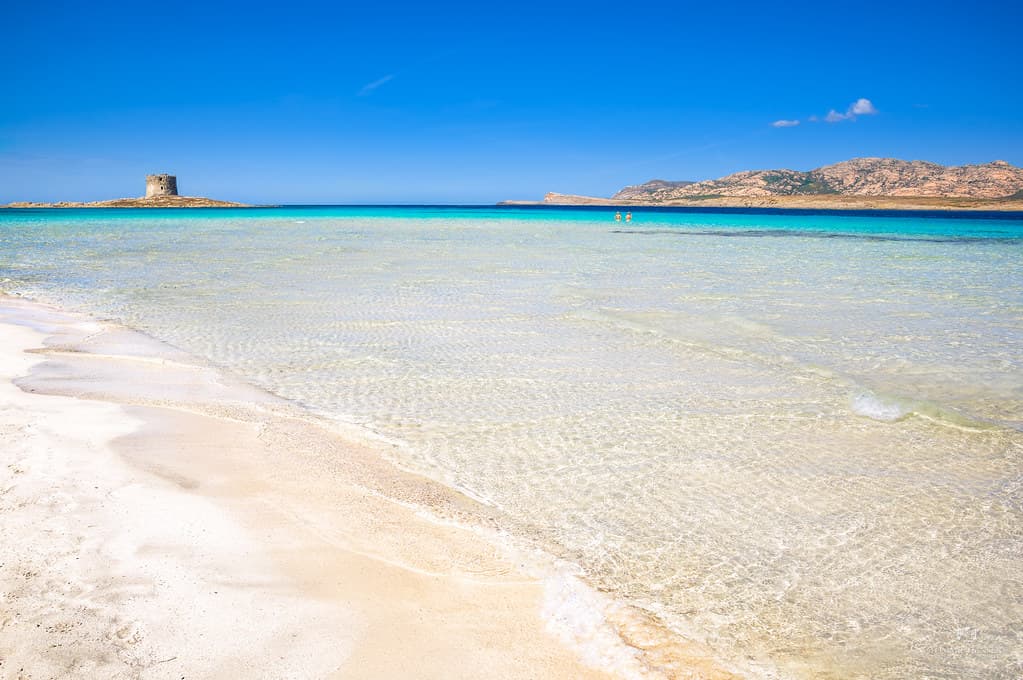
The sand beneath your toes feels talc-soft, almost weightless, as you step onto La Pelosa's crescent shoreline. Ahead, the sea unfolds in bands of color—pale jade near the shore deepening to cobalt where the seabed drops away. The sixteenth-century Torre della Pelosa anchors the view, perched on its rocky island like a sentinel carved from honey-colored stone, framed by the craggy profile of Isola Piana beyond. You notice the ritual immediately: visitors arrive early, staking umbrellas in the soft sand before the summer sun climbs high. Children build castles in the shallows, their laughter carrying across water so calm it mirrors the sky. The beach's fame has brought rules—no towels on the sand, only mats; a daily cap on visitors in peak season—but these measures preserve the powdery strand that made La Pelosa a legend. By late afternoon, the light shifts to amber, gilding the watchtower and casting long shadows across the beach. The water remains warm, inviting one last swim before the day empties out. You understand why this bay, cradled between Capo Falcone's windswept cliffs and Stintino's fishing harbor, has become Sardinia's most photographed shore—not despite its popularity, but because some places earn their renown honestly.
Places, rentals, tours and events within walking and driving distance of La Pelosa Beach.
Photos
Yes, La Pelosa Beach is excellent for families and safe for swimming. The shallow, crystal-clear turquoise waters extend far from shore, making it ideal for children and less confident swimmers. The white sandy bottom is visible and free from rocks. The beach's fame means it's well-serviced during summer months, typically with lifeguards on duty. However, capacity limits are now enforced to protect the environment, so booking ahead may be required during peak season. The gentle slope and transparent water allow easy supervision of children. These characteristics, combined with the stunning beauty, make it one of Sardinia's most family-friendly beaches.
The best weather occurs from June through September, with July and August offering the warmest conditions but also maximum crowds. Due to La Pelosa's international fame, these peak months now require advance booking due to visitor capacity limits implemented to preserve the beach. For better balance of weather and manageable crowds, visit in June or September when temperatures remain pleasant but visitor numbers decrease. Weekdays are always less crowded than weekends. Early morning arrivals secure better spots and access, particularly important given entry restrictions. Note that spring and autumn offer beautiful scenery but cooler water temperatures that may not suit all swimmers.
La Pelosa Beach is located at Stintino, in northwestern Sardinia. By car from Alghero (roughly 60 km), follow the SP42 north through Porto Torres to Stintino, then follow signs to La Pelosa. From Sassari, take the SS131 to Porto Torres, then continue to Stintino. Parking is available but fills early during summer; fees apply. During peak season, shuttle buses may operate from additional parking areas. Public buses connect Sassari and Alghero to Stintino, though less frequently than to larger towns. Once in Stintino, the beach is well-signposted. Advance booking is now required during peak season due to visitor capacity management.
Stintino offers various accommodation options from hotels and resorts to vacation rentals and B&Bs, though booking well ahead is essential for summer due to La Pelosa's popularity. The town features numerous restaurants, trattorias, and pizzerias serving fresh seafood and Sardinian specialties. Beach bars and cafés operate during the season, though bringing your own refreshments is also common. Nearby Alghero and Sassari offer additional lodging and dining choices if Stintino is fully booked. The area's tourism infrastructure is well-developed given the beach's fame, but high season demand means advance planning is crucial for securing preferred accommodations and restaurant reservations.
La Pelosa's fame stems from its extraordinary turquoise waters, powdery white sand, and stunning backdrop featuring the Aragonese tower on Isola Piana and views toward Asinara Island. The shallow, crystal-clear water creates Caribbean-like conditions in the Mediterranean, producing the photogenic scenery that makes this beach iconic. The contrast between white sand, turquoise sea, and historic architecture creates picture-perfect compositions. This exceptional natural beauty has made it one of Italy's most photographed beaches and a bucket-list destination. However, its fame has necessitated protective measures including visitor limits to preserve its pristine condition, making advance planning essential but ensuring the beauty remains unspoiled.