Counting the waves…
Counting the waves…
A refined fusion of water purity, environmental stability, and communal vibrancy for Santa Maria la Scala Beach.
View MethodologyAnalyzed via live sensors and environmental data.
Wave height, wind, and atmospheric stability.
Live footfall and crowd balance metrics.
Community reviews and curated sentiment.
“Weathered fishing boats bob beside basalt ledges where the sea has carved smooth hollows into ancient lava. Fishermen mend nets in doorways painted turquoise and ochre, steps away from water so transparent you count…”
Limited recent visitor reports — live OBI telemetry is your best guide for current conditions.
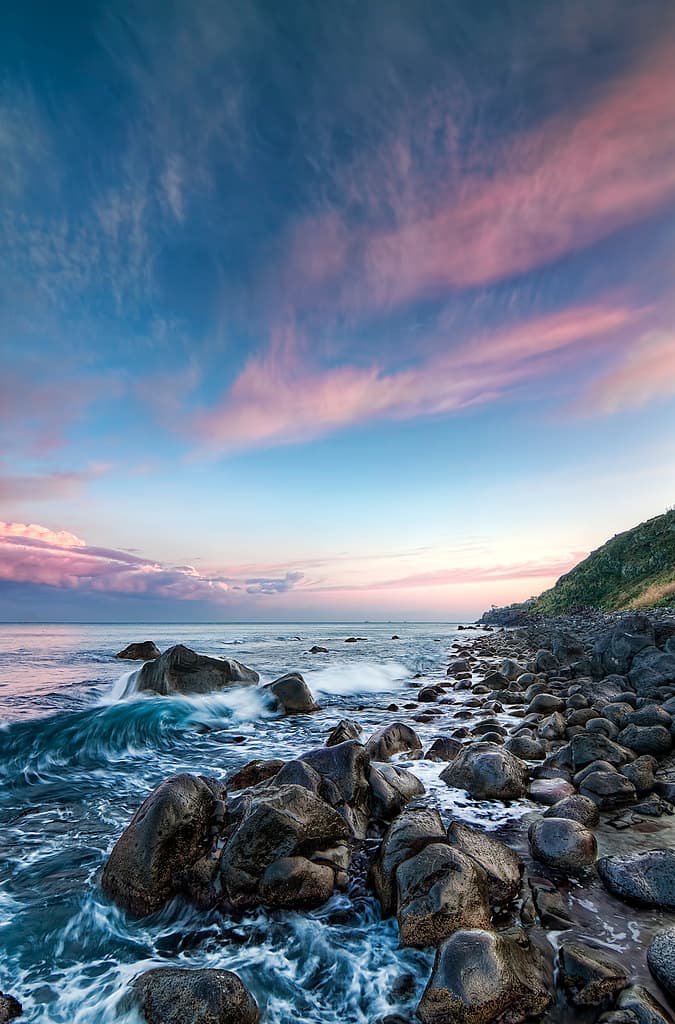
You descend a staircase between houses where laundry snaps in the salt breeze, emerging onto platforms of ropy black lava smoothed by centuries of waves. The shore is all angles and pockets—jagged outcrops give way to shallow pools warm enough for lingering, deep channels where damselfish dart through posidonia meadows. Locals spread towels on the flattest sections of rock, their coolers wedged into natural crevices.
The village rises in tight terraces behind you, its balconies dripping bougainvillea, its trattorie serving anchovies pulled from these waters that morning. There are no umbrellas for rent, no jet skis carving the bay. Instead, you hear the slap of waves against stone, the distant put-put of a lancia returning with the day's catch, the Sicilian cadence of families who've summered here for generations.
 Credit: Unsplash
high-angle photography of blue beach
 Credit: Unsplash
brown rock formation on sea during daytime
Posidonia beds harbor damselfish
Traditional lancia at mooring
Morning catch on terraces
Prime Visitation
Best Weather|Less Crowds
Where it is
Santa Maria la Scala Beach
Acireale, Sicily, Italy
37.612000°, 15.172000°
Weather
Loading…
Swell
—
Temp
Warm · Restorative
UV Index
Moderate
Wind
—
Tidal State
Last known
Max Sunlight
—
Ideal Shade
—
May - Sep (Peak)
Jan - Dec (Off-season)
Best Weather|Less Crowds
Near Santa Maria la Scala Beach
Explore dining, stays, nightlife, and activities near Santa Maria la Scala Beach in Acireale, Italy. Every listing below is a real place linked to this beach — open a card for reviews, maps, and booking options.
Food, cafés, and dining close to Santa Maria la Scala Beach — curated from places linked to this beach.
Stays and lodging options near Santa Maria la Scala Beach for your beach trip.
Bars and evening spots near Santa Maria la Scala Beach.
Activities, tours, and attractions near Santa Maria la Scala Beach.
Select a category to load nearby places.
Unlock restaurants, luxury stays and curated maritime experiences within 2km
Swimming at Santa Maria la Scala Beach is generally safe, though the volcanic rock coastline requires awareness and preparation. Wear sturdy water shoes to protect feet from sharp lava rocks and sea urchins common in this area. Entry points are rocky rather than gradual, so take care getting in and out of the water. The clear water allows good visibility of underwater rocks. Summer conditions are typically calm, ideal for swimming and snorkeling. Avoid swimming in rough weather or high winds. No lifeguards are usually present, so assess conditions carefully and swim within your ability level.
The best time to visit Santa Maria la Scala Beach is May-June or September-October for pleasant weather and fewer crowds. These shoulder months offer warm temperatures, calm seas, and comfortable swimming conditions without the intense July-August heat and tourist peaks. The picturesque fishing village atmosphere is best appreciated on weekday mornings when it's quietest. Summer evenings are lovely for watching fishermen return to the small harbour. Winter visits are worthwhile for the dramatic coastal scenery and fresh seafood, though swimming is generally too cold. The area's authentic character makes it appealing year-round for sightseeing.
Santa Maria la Scala is located about 15km north of Catania, below the hillside town of Acireale. By car, take the SS114 coastal road northward from Catania, following signs to Santa Maria la Scala—the winding road descends dramatically to the fishing village. Parking is limited in the small village, especially in summer. Public buses (AST or AMT lines) connect Catania to Acireale; from there, local buses or taxis descend to Santa Maria la Scala, though service can be infrequent. A rental car offers the most flexibility. The journey takes 30-45 minutes from central Catania.
Santa Maria la Scala village features several excellent seafood restaurants along the waterfront, known for fresh fish and traditional Sicilian dishes at reasonable prices—the authentic fishing village setting enhances the experience. A few small cafes and bars serve drinks and light meals. Accommodation within the tiny village is limited to a handful of B&Bs and vacation rentals. Most visitors stay in Acireale (uphill, 2km) or Catania (15km south), both offering extensive hotel and restaurant options. Dining at sunset overlooking the harbour is particularly memorable. Reservations recommended for waterfront restaurants in summer.
Santa Maria la Scala Beach stands out for its incredibly picturesque fishing village setting, with colourful boats, traditional houses built into volcanic cliffs, and an authentic working harbour unchanged by mass tourism. The dramatic black lava rock coastline creates a striking contrast with turquoise waters, offering unique photographic opportunities and excellent snorkeling. Its hidden location down a winding coastal road keeps it less discovered than nearby beaches. The combination of volcanic geology, genuine local atmosphere, fresh seafood dining right on the water, and proximity to baroque Acireale creates a distinctly Sicilian experience that's increasingly rare along developed coastlines.
Photos