Counting the waves…
Counting the waves…
A refined fusion of water purity, environmental stability, and communal vibrancy for Gliaca di Piraino Beach.
View MethodologyAnalyzed via live sensors and environmental data.
Wave height, wind, and atmospheric stability.
Live footfall and crowd balance metrics.
Community reviews and curated sentiment.
“You'll share this strand with Sicilian families who rent the same villetta every August and fishermen checking nets at dawn. The sand is gray-brown, the water is calm, and Stromboli's cone rises on clear days across…”
Limited recent visitor reports — live OBI telemetry is your best guide for current conditions.
The village of Gliaca di Piraino consists of perhaps two hundred houses, a small marina, and a beach that curves gently for half a kilometer. You'll notice the volcanic sand immediately—darker than the beaches west of here, a consequence of the Aeolian archipelago's influence on coastal sediment. The grain is fine enough for comfortable sitting but contains enough heavier minerals to create subtle color variations: charcoal near the waterline, lighter brown-gray where it's dry.
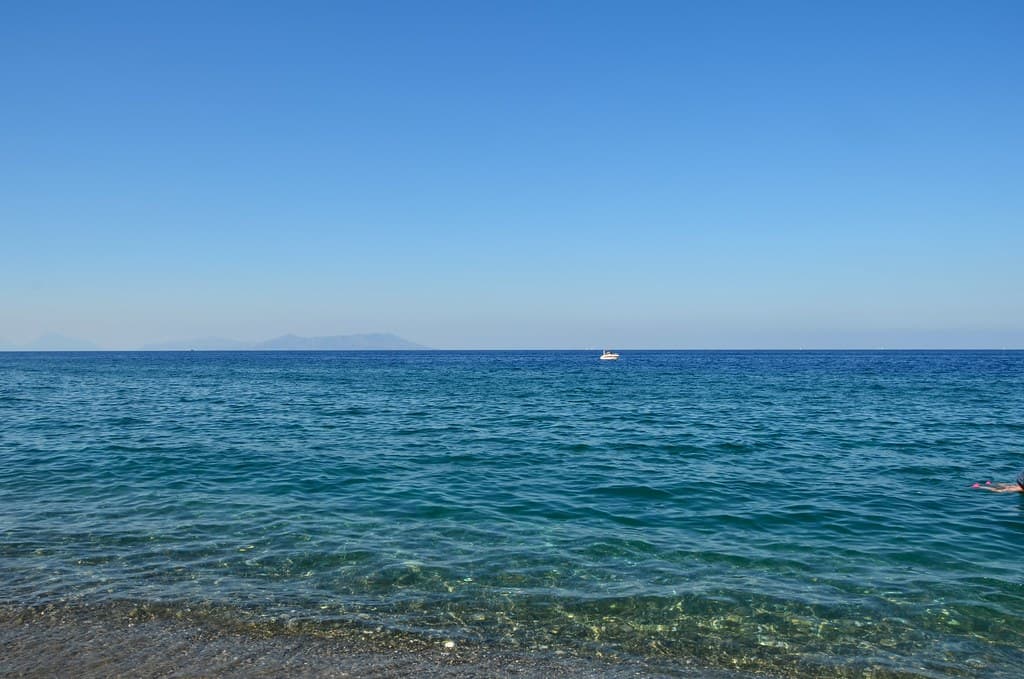
The water is reliably calm, protected by the bulge of the coast and the distant presence of the Aeolian islands. On mornings when the scirocco hasn't yet risen, the surface is smooth enough to mirror clouds, and the islands—Stromboli, Panarea, sometimes Salina—line up on the horizon like stage sets. You'll swim out to floating platforms anchored in the swimming area, their wooden surfaces warm from sun, and watch fishing boats heading to deeper water. The bottom slopes gradually; you can walk out forty meters before needing to swim.
 Credit: Unsplash
high-angle photography of blue beach
 Credit: Unsplash
brown rock formation on sea during daytime
Floating docks in calm water
Aeolian archipelago on horizon
Dark gray-brown beach warmth
Prime Visitation
Anytime|Less Crowds
Where it is
Gliaca di Piraino Beach
Piraino, Sicily, Italy
38.163800°, 14.850500°
Weather
Loading…
Swell
—
Temp
Warm · Restorative
UV Index
Moderate
Wind
—
Tidal State
Last known
Max Sunlight
—
Ideal Shade
—
May - Sep (Peak)
Jan - Dec (Off-season)
Historical data suggests peak visibility and stable sea temperatures occur during the prime visitation window.
Near Gliaca di Piraino Beach
Explore dining, stays, nightlife, and activities near Gliaca di Piraino Beach in Piraino, Italy. Every listing below is a real place linked to this beach — open a card for reviews, maps, and booking options.
Food, cafés, and dining close to Gliaca di Piraino Beach — curated from places linked to this beach.
Stays and lodging options near Gliaca di Piraino Beach for your beach trip.
Bars and evening spots near Gliaca di Piraino Beach.
Activities, tours, and attractions near Gliaca di Piraino Beach.
Select a category to load nearby places.
Unlock restaurants, luxury stays and curated maritime experiences within 2km
Gliaca di Piraino Beach is generally safe for swimming and well-suited for families. The sandy shoreline and gradual entry into the water make it ideal for children. The beach is calm and less crowded than major tourist spots, allowing easier supervision of kids. As with any beach, check local conditions and weather before swimming. The quiet village atmosphere means fewer commercial activities but also a more relaxed, family-friendly environment. Lifeguard presence may be limited, so exercise normal precautions and stay aware of changing sea conditions.
Gliaca di Piraino Beach can be visited comfortably throughout most of the year, with May through October offering the warmest weather for swimming. Summer months (July-August) provide guaranteed sunshine but can be hotter. For fewer crowds while still enjoying pleasant weather, consider visiting in May, June, September, or early October. The shoulder seasons offer comfortable temperatures for sunbathing and swimming without the peak tourist rush. Winter months are quieter and suitable for scenic walks, though swimming may be too cold for most visitors.
Gliaca di Piraino is located along Sicily's northern Tyrrhenian coast, accessible by car via the SS113 coastal road between Messina and Palermo. If driving, exit at Piraino and follow signs downhill to the frazione of Gliaca. The nearest train station is in Piraino on the Messina-Palermo line, though you'll need local transport to reach the beach below. Rental cars offer the most flexibility for exploring this quieter coastal area. From major cities, expect about 90 minutes from Messina or 2 hours from Palermo by car.
Gliaca di Piraino is a small beach village with modest but authentic dining and lodging options. You'll find family-run trattorias serving fresh seafood and Sicilian specialties, typically more affordable and traditional than tourist-heavy areas. Accommodation includes small hotels, bed and breakfasts, and vacation rentals, often with sea views toward the Aeolian Islands. For wider choices, the town of Piraino sits above on the hillside. Book ahead during summer months as this quiet destination has limited capacity. Nearby Gioiosa Marea offers additional restaurant and lodging options.
Gliaca di Piraino stands out for its authentic, unhurried village atmosphere and stunning views of the Tyrrhenian Islands, including the Aeolian archipelago. Unlike developed resort beaches, this remains a working fishing village where locals still outnumber tourists. The combination of sandy beach, traditional Sicilian character, and dramatic island vistas creates a genuine escape from commercialized tourism. It's ideal for travelers seeking authentic coastal Sicily without crowds or over-development, offering a glimpse into traditional seaside life that's increasingly rare along Mediterranean coasts.
Photos