Counting the waves…
Counting the waves…
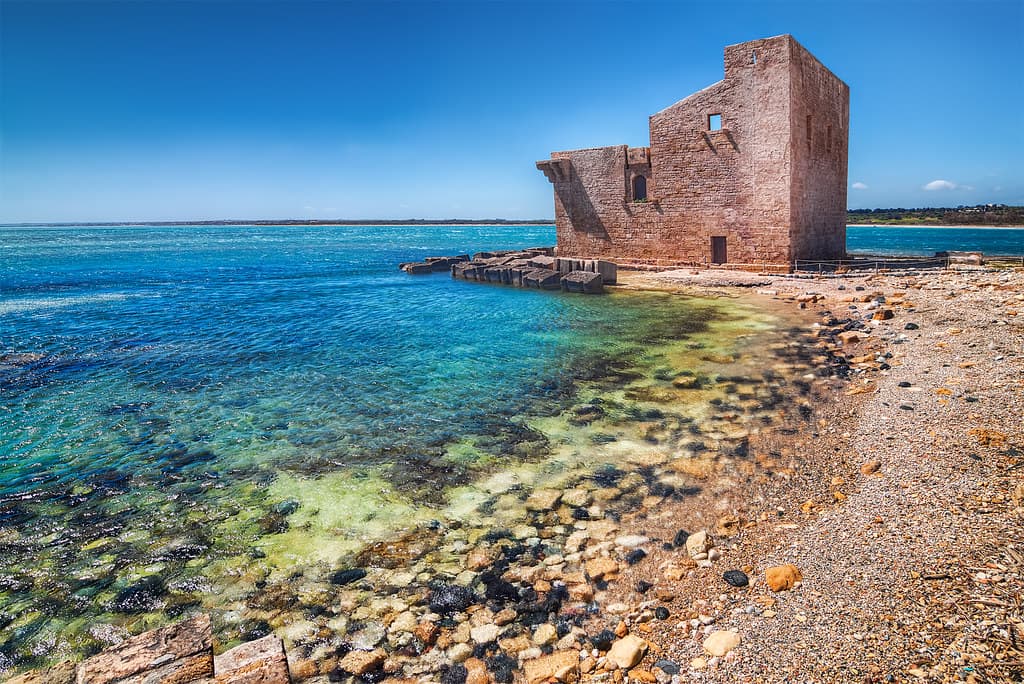
You approach through a nature reserve gate, following packed-earth trails past abandoned tuna-processing buildings whose stone walls hold the scent of dried salt and wild fennel. The sand runs pale gold, compacted enough to walk barefoot without sinking, bordered by dunes stabilized with sea daffodils and prickly juniper. Wading in, you'll notice how the seabed shelves gently—forty meters out, the water barely reaches your waist. Small gilt-head bream dart around your ankles. Behind you, the wetlands hum: reed warblers click in the canes, and if you visit in autumn or spring, greater flamingos stand on one leg in the shallows, filtering brine shrimp through curved bills. There are no loungers, no beach clubs. You carry what you need—a canvas bag, a cotton towel that smells faintly of lavender from your rental's linen cupboard. By late afternoon, shadows from the coastal pines stretch across the sand, and the only sounds are the slap of small waves and the rustle of lizards in the dune grass.
Places, rentals, tours and events within walking and driving distance of Vendicari Beach.
Photos
Swimming at Vendicari Beach is generally safe, with sandy seabeds and calm, clear waters suitable for most swimmers. However, the reserve has minimal infrastructure—no lifeguards, limited facilities, and no commercial beach services. Visitors should be self-sufficient, bringing water, snacks, and sun protection. The natural environment means accessing some beach areas requires short walks through the reserve. Water shoes can be helpful in rockier sections. Check weather conditions before visiting as the exposed coastline can experience wind. The absence of development means pristine swimming conditions but also requires personal responsibility and preparation for a wilderness beach experience.
The best time for swimming and sunbathing is June through September when weather is warmest and sea conditions are calmest. However, Vendicari truly shines in shoulder seasons—May and September through early October—when temperatures remain pleasant, crowds thin significantly, and birdwatching opportunities peak during migration periods. Spring brings wildflowers and nesting birds. Avoid peak July–August if you prefer quieter experiences, as this protected area attracts nature lovers and beachgoers alike. Early morning visits offer best light for photography and wildlife observation. The reserve is open year-round with varying hours, though swimming outside summer months requires tolerance for cooler water.
Vendicari Nature Reserve has several entrance points along the coast south of Noto. The main entrances are near Calamosche (north), Vendicari center, and Eloro (south). By car, follow signs from Noto toward the coast; parking areas are located at each entrance with small entrance fees to the reserve. No public transport directly serves the reserve, so most visitors drive or arrange taxis from Noto or nearby towns. Some entrances require 10–20 minute walks through the reserve to reach beach areas. Bring everything you need as there are no facilities inside. Bicycle access is possible on certain paths.
Vendicari Nature Reserve itself has no commercial facilities, restaurants, or accommodations—it's a protected natural area. Visitors must bring their own food, water, and supplies for beach visits. The nearest services are in Marzamemi village (north) and Pachino or Portopalo (south), offering restaurants, cafés, and shops. Accommodation options include hotels, B&Bs, vacation rentals, and agriturismos in Marzamemi, Noto, and surrounding coastal areas. Noto town, about 15 kilometers inland, provides the widest range of lodging and dining. Many visitors stay in nearby towns and visit Vendicari as a day trip, packing picnics to enjoy on the pristine beaches.
Vendicari Nature Reserve protects one of Sicily's most important coastal wetland ecosystems, featuring pristine beaches, salt marshes, and lagoons that serve as crucial stopover points for migratory birds traveling between Europe and Africa. Visitors can observe flamingos, herons, storks, and numerous waterfowl species depending on season. The reserve's lack of development preserves natural coastal vegetation and archaeological sites including ancient tuna fisheries and Byzantine ruins. Unlike commercialized beaches, Vendicari offers an authentic wilderness experience where nature takes priority. The combination of beautiful swimming beaches with significant ecological and historical value makes it unique along Sicily's increasingly developed coastline.