
Counting the waves…
Counting the waves…
The approach tells you everything: a narrow road past olive groves, no signage, just tire tracks in the dust and the sudden appearance of parked Fiats. You descend weathered steps carved into the rock, and the coast opens up—not sand, but terraced stone platforms smoothed by centuries of waves. Families claim their usual spots, spreading towels directly on the warm limestone. The water here runs deep within meters of the edge. You lower yourself from the rocks, and the temperature drops instantly as you push into water so saturated with blue it stains your skin in photographs. Below, the seabed is a garden of posidonia grass and volcanic stone. Damselfish dart between crevices. You surface to the smell of salt and wild fennel baking in the sun. By noon, someone's grandmother has unpacked lunch—bread, olives, anchovies—and the afternoon stretches long and unhurried. No vendors, no lifeguards, no infrastructure beyond what people carry in. When the sun angles low, you climb back up to find your towel hot enough to burn, the rocks holding the day's heat like a promise to return.
Places, rentals, tours and events within walking and driving distance of Quarara Beach.
Photos
Quarara Beach is safe for confident swimmers but requires caution due to its rocky nature. The rocky coastline means no gradual sandy entry into the water—access typically involves climbing over rocks or using rocky platforms. This makes it less ideal for small children or less mobile visitors. The water is generally calm, though entry and exit points can be slippery. There are no lifeguards or organized facilities, so swimmers should be self-reliant and wear water shoes for protection. The rocky environment is excellent for snorkeling but requires basic swimming skills and awareness of your surroundings.
Quarara Beach is less crowded than mainstream beaches year-round, but the best time to visit for minimal crowds is during shoulder seasons—May, June, and September—when weather remains pleasant but tourist numbers are lower. Weekdays are significantly quieter than weekends, when local families may visit. July and August see more visitors but still fewer than sandy beaches nearby. For snorkeling, the clearest water visibility is typically in late spring and early autumn when seas are calm and marine life is active. Avoid visiting during strong south winds, which can make the rocky coast less accessible.
Quarara Beach is located along the coast south of Mazara del Vallo town center. Access is primarily by car, as public transportation to this specific beach is limited. From Mazara del Vallo, follow the coastal road SP81 southward. Look for local signs or use GPS coordinates, as signage may be minimal for this less-touristy spot. Parking is informal and limited, often along the roadside near access points. The beach access may involve short walks or scrambles over rocks. Ask locals in Mazara for specific directions, as knowledge of this spot is often shared by word-of-mouth rather than tourist maps.
Quarara Beach itself has no facilities, restaurants, or beach services—it's an undeveloped, natural swimming spot. Visitors should bring their own food, water, and supplies for the day. The nearby town of Mazara del Vallo, just a few kilometers away, offers numerous restaurants serving fresh seafood and traditional Sicilian cuisine, plus cafes and markets for provisions. Accommodation options in Mazara del Vallo include hotels, B&Bs, and vacation rentals ranging from budget to mid-range. Plan to return to town for meals and amenities, treating Quarara as a quiet swimming and snorkeling destination rather than a full-service beach.
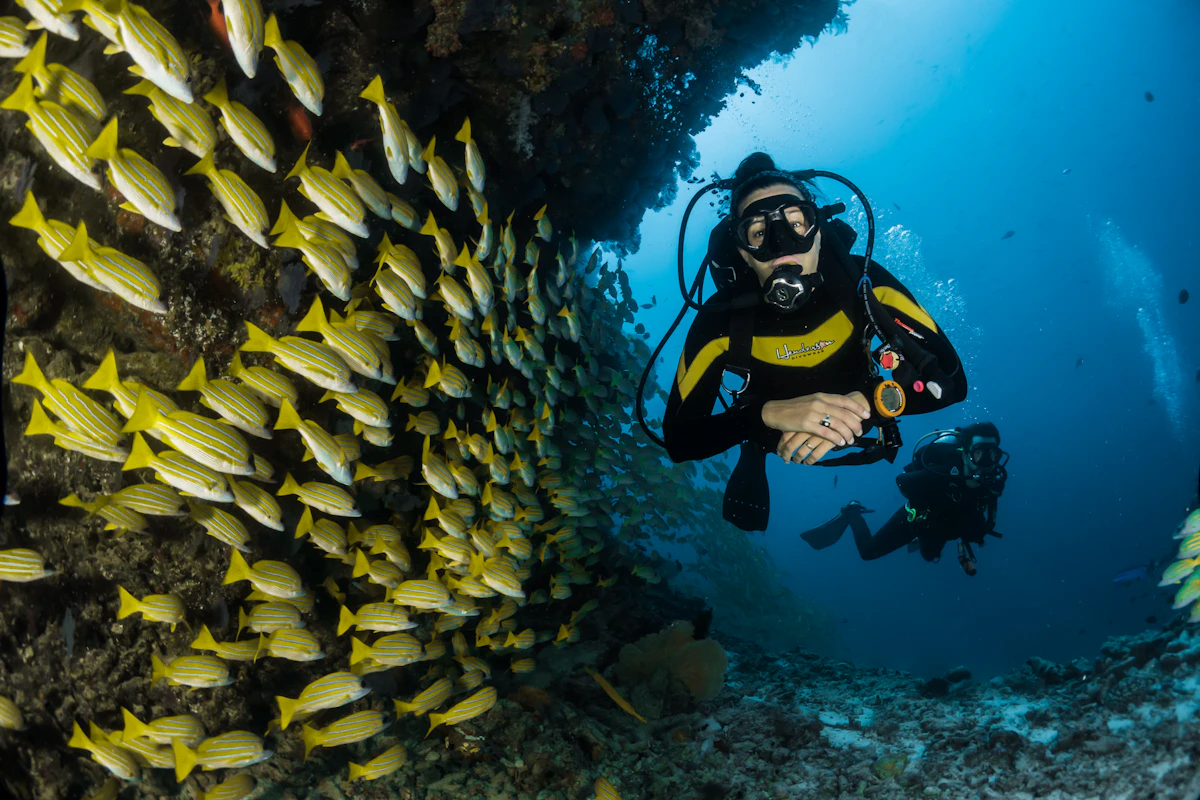
Quarara Beach's rocky coastline creates an ideal environment for snorkeling, with underwater formations, crevices, and rocks that attract diverse marine life. The clear water offers good visibility for observing fish, sea urchins, and Mediterranean flora. Unlike sandy beaches that can have murky water from sediment, the rocky bottom here maintains clarity. The undeveloped nature means fewer swimmers disturbing the ecosystem. This is a spot favored by locals who know the area's snorkeling potential. Bring your own equipment, as there are no rental facilities. The rocky environment provides more interesting underwater scenery than typical sandy beaches along Sicily's south coast.