Counting the waves…
Counting the waves…
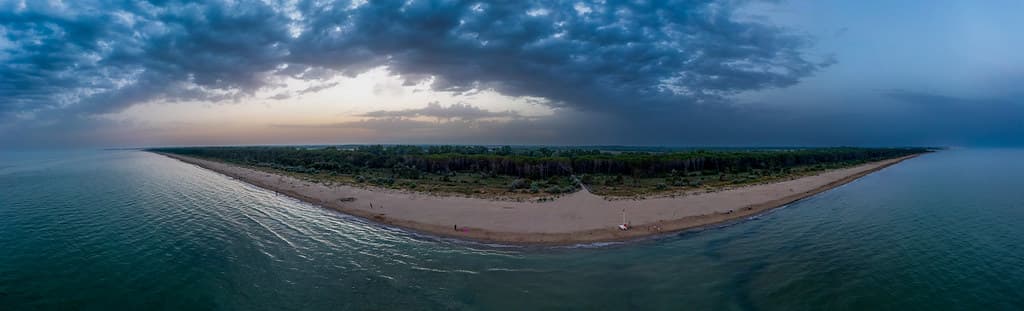
You park where the paved road surrenders to sand track, near the nature preserve boundary that keeps bulldozers at bay. The walk to the waterline takes ten minutes through dune systems that shift with each winter storm, their contours redrawn by wind. Beach grass stitches the sand in place; your footprints are the only human marks until you crest the final rise and spot other seekers scattered along the shore, each group maintaining respectful distance. The beach reveals its wild credentials in details: driftwood silvered by sun and salt, tidal wrack lines where the sea leaves its inventory, sand that's variegated rather than groomed to uniform beige. Without the infrastructure of civilization—no umbrellas, no showers, no attendants raking patterns—the Adriatic sets its own terms. The water enters through sandbars and shallow channels that change location seasonally. Shells accumulate in curved windrows that crunch beneath your towel. Afternoon brings the wind that keeps development away, the same offshore gusts that challenge umbrella engineering and send beach chairs tumbling. Here it's an asset, cooling the sun's intensity and carrying the marsh scent from Vallevecchia—that particular perfume of mud and brine and growing things. By sunset, the few visitors who walked in have mostly walked out, leaving the shore to gulls and the occasional fisherman casting into the surf.
Places, rentals, tours and events within walking and driving distance of Brussa Beach.
Photos
Swimming at Brussa Beach is generally safe during calm conditions, but this natural beach lacks the organized supervision of Caorle's main resort areas. There are no lifeguards on duty, so swimmers must be confident and assess conditions independently. The beach is relatively exposed, and currents can develop. Check weather forecasts and sea conditions before entering the water. The sandy bottom slopes gently, but always supervise children closely. Being prepared and cautious is essential at this less-developed beach location.
The best time to visit Brussa Beach is during weekdays in late spring (May-June) or early autumn (September) when you'll experience fewer crowds and pleasant weather. Summer weekends can bring more visitors, though it remains quieter than Caorle's main beaches. Early mornings and late afternoons offer the most peaceful atmosphere and beautiful light for the natural surroundings. Avoid visiting during strong winds, as the exposed location offers little natural shelter. The uncrowded nature of this beach is its main appeal.
Brussa Beach is located east of Caorle town center, near the Vallevecchia nature area. By car, follow coastal roads eastward from Caorle toward Brussa; parking areas are available but may be limited during peak season. Bicycles are an excellent option, as flat coastal paths connect Caorle to Brussa, offering a scenic ride through natural landscapes. The beach is less accessible by public transport, making a car or bicycle the most practical choices. The journey showcases the wilder Veneto coastline.
Brussa Beach itself has minimal facilities, with perhaps a seasonal beach bar but nothing guaranteed. It's wise to bring your own food, drinks, and umbrella. Accommodation is limited immediately around Brussa; most visitors stay in Caorle town, just a few kilometers away, which offers extensive hotels, apartments, restaurants, and shops. Some campsites exist in the area between Caorle and Brussa. For dining, return to Caorle where you'll find seafood restaurants, pizzerias, and all necessary services for a beach holiday.
Brussa Beach stands out for its natural, undeveloped character within the Vallevecchia protected coastal area. Unlike Caorle's organized resort beaches, Brussa offers wild beauty with dunes, natural vegetation, and minimal human infrastructure. It's ideal for visitors seeking authentic coastal nature and tranquility rather than beach club amenities. The area is important for birdwatching and coastal ecology. This beach represents the Veneto coast as it once was—unspoiled and peaceful—making it valuable for nature lovers and those wanting escape from crowded resort areas.