Counting the waves…
Counting the waves…
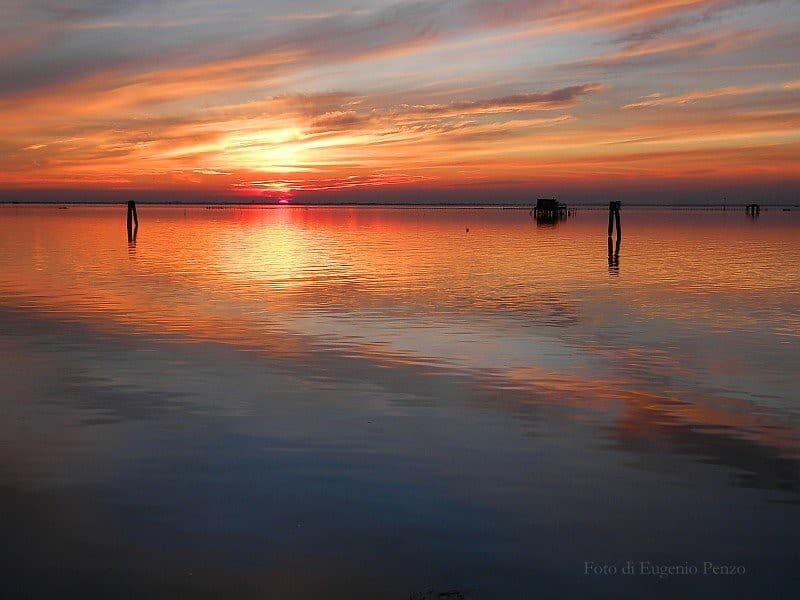
Pellestrina is a working island—a fourteen-kilometer sand spit where fishing families have lived for centuries, building houses in defiant pastels against the grey lagoon behind and the grey-blue Adriatic ahead. The beach here feels incidental, almost accidental: a narrow strip of coarse sand pressed between seawalls and water. There are no grand stabilimenti, no umbrella armies. Just stretches of open beach, some small bathing establishments run by locals, and the massive murazzi—the eighteenth-century Istrian stone walls that saved Venice from drowning. You'll share the sand with island residents who've known this beach their entire lives, swimming in water that changes character with wind direction. Northeast wind brings clarity; sirocco from Africa stirs silt and seagrass. The swimming is functional rather than luxurious—you come here to cool off, not to lounge on designer chaises. Shells and pebbles mix with the sand, and the tideline collects driftwood, plastic bottles, fishing floats, the occasional cuttlebone. What makes Pellestrina matter has nothing to do with resort comforts. Walk the island's spine road and you'll pass fishing nets drying on fences, dialect conversations shouted between houses, vegetable gardens improbably productive in salt-sprayed soil. The light here is different—filtered through lagoon haze to the west, sharp and marine to the east. By evening the beach empties entirely and you can walk north toward the murazzi, watching fishing boats return as the sky turns the color of unripe peaches, understanding that this sand exists at the pleasure of forces far larger than anyone sunbathing on it.
Places, rentals, tours and events within walking and driving distance of Pellestrina Beach.
Photos
Pellestrina Beach is generally safe for swimming, though facilities are more basic than at major resorts. The sandy beach slopes gradually into the Adriatic with typically calm conditions, suitable for average swimmers. Lifeguard coverage may be limited or seasonal, so swim with caution and check local conditions. The beach faces the open sea on a barrier island, meaning currents can occasionally be stronger than in sheltered areas. The local character means fewer crowds, which some find safer and more relaxing, though it also means less supervision. Always observe weather conditions and respect any warning signs posted.
Pellestrina Beach is naturally quieter than mainstream Veneto beaches throughout the year, making it ideal for those seeking solitude. For the best experience with minimal crowds, visit during weekdays from May to June or September to early October. These shoulder months offer pleasant weather without peak-season congestion. Even during July and August, Pellestrina remains relatively uncrowded compared to nearby Lido di Venezia or Jesolo. The beach attracts mainly locals and informed travelers rather than mass tourism. Winter offers peaceful walks with dramatic seascapes, though swimming isn't practical due to cold temperatures.
Reaching Pellestrina Beach from Venice requires planning but is part of the adventure. Take ACTV vaporetto line 11 from Venice (Lido) to Pellestrina island, a scenic journey lasting about 45 minutes. The boat stops at several points along Pellestrina; ask locals which stop is nearest your beach destination. Alternatively, drive or bus to Chioggia and take the ferry across to Pellestrina's southern end. The island is long and narrow with limited roads. Bicycles are popular for exploring once there. Private water taxis are expensive but direct. The journey itself offers beautiful lagoon and island views.
Pellestrina offers limited but authentic accommodation, mainly small guesthouses, bed and breakfasts, and vacation rentals reflecting its local character. Don't expect large hotels or resorts. For dining, several family-run trattorias serve fresh seafood and traditional Venetian dishes, often featuring the day's catch. Beach bars operate seasonally with basic refreshments. The island's main villages have small shops for essentials, but selection is limited. Many visitors day-trip from Venice or stay in Chioggia with better hotel options. Advance research and booking are essential as tourism infrastructure is deliberately low-key to preserve the island's authentic fishing-village atmosphere.
Pellestrina Beach offers an authentic barrier-island experience remarkably different from Venice's commercialized Lido or mainland resorts. This narrow island maintains its identity as a working fishing community where tourism remains secondary. The beach itself is less developed with stretches of free access alongside modest stabilimenti. Colorful fishermen's houses, called 'casoni,' line the lagoon side, while the sea-facing beach features historic sea walls and a more rugged character. The island's isolation creates a time-capsule atmosphere where local dialect and traditions persist. It's ideal for travelers seeking genuine Venetian island culture rather than polished resort amenities.