
Counting the waves…
Counting the waves…
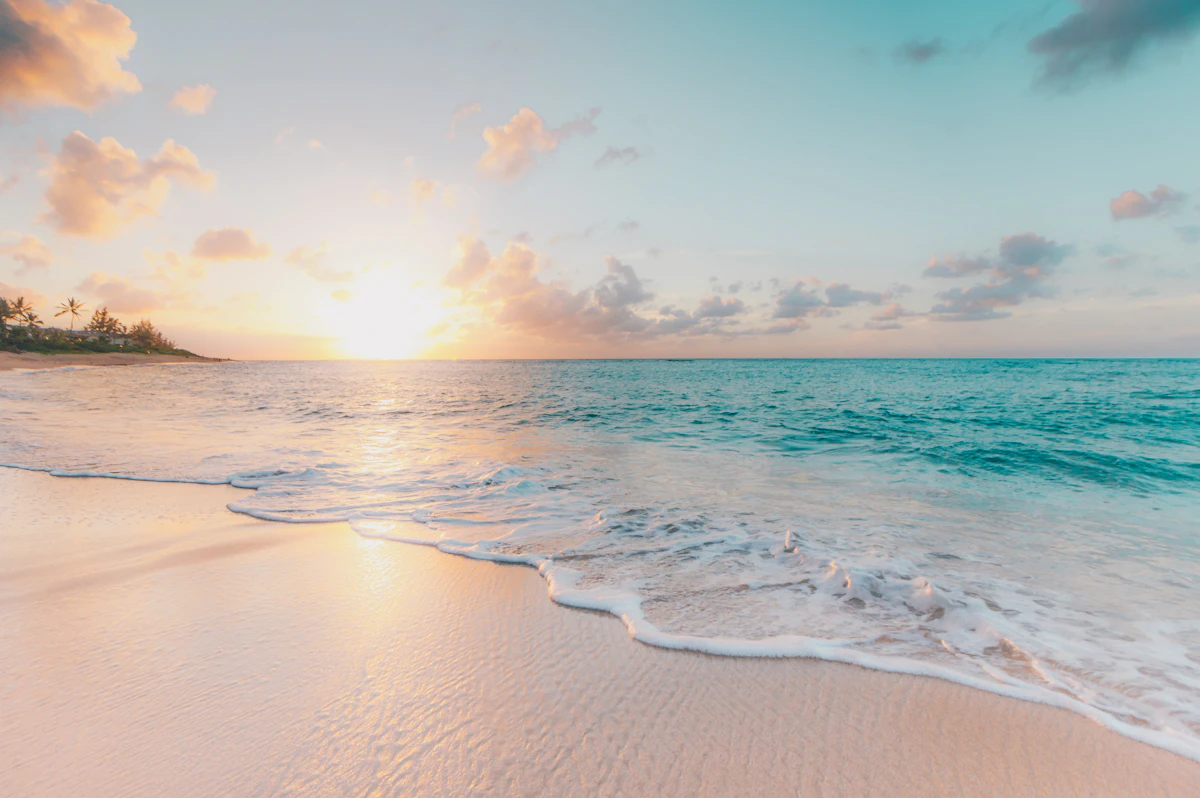
You descend to the beach through the old town, following staircases that zigzag down the cliff between vegetable gardens and crumbling palazzo walls. Halfway down, the view opens: a kilometer of sand curving south, bracketed by the sanctuary's rocky island and distant headlands. The water shifts from pale green at the tideline to bands of turquoise and sapphire where the seabed drops away. The sand is fine and white, unusual for this volcanic coast, packed firm near the water where morning joggers leave footprints that the tide erases by noon. Beach clubs occupy the central stretch, their blue umbrellas planted in precise rows, but the southern end remains open, backed by wild cane and tamarisk trees. You spread your towel where the sand meets smooth pebbles, the cliff rising directly overhead, its sandstone face carved with centuries of erosion into fluted columns and caves. By five o'clock, the sun moves behind the town, throwing the cliff into dramatic relief. The buildings above catch the golden light, their walls turning honey-colored, then pink, then deep orange as sunset approaches. Swifts dive and wheel between the beach and the cliff face. You swim in water that holds the day's warmth, watching the sanctuary's silhouette darken against the reddening sky, bells ringing vespers across the quiet bay.
Places, rentals, tours and events within walking and driving distance of Tropea Beach.
Photos
Tropea Beach is generally safe for swimming with gradually deepening sandy bottom and typically calm conditions, especially in the protected areas. The beach is well-monitored during summer with lifeguards present at main sections from June through September. Swimming is safest in designated areas away from boat traffic, as the beach is also a working harbor for tour boats and fishing vessels. Check flag warnings before entering the water and avoid swimming during storms or high winds. The dramatic cliffs provide some wind protection, creating relatively gentle conditions for most of the season.
While Tropea Beach sees visitors from May to October, July and August bring peak crowds with limited space on the sand. For better weather with fewer tourists, visit in early June or September when temperatures remain warm and the sea is pleasant. May and early October offer mild weather for sightseeing though swimming may be chilly. Weekdays are significantly quieter than weekends year-round. Early morning or late afternoon provide the most peaceful beach experience and best light for photographing the iconic cliffside old town. Sunset hours are particularly magical but also popular.
Tropea Beach sits directly below the historic clifftop center, accessible via several staircases and paths descending the cliff face. The main access is a long stairway from Largo Migliarese near the town center, offering spectacular views during the descent. Alternatively, drive to parking areas at beach level along the Lungomare, though spaces fill quickly in summer. Some hotels offer elevator access through the cliff. The walk down takes 10-15 minutes; remember you'll need to climb back up. Wear comfortable shoes and bring water, especially in summer heat.
Tropea Beach has several lidos and beach clubs offering food service, drinks, and sunbed rentals directly on the sand. The clifftop old town above features numerous restaurants serving Calabrian cuisine, fresh seafood, and the local specialty red onions. Accommodations range from boutique hotels within historic palazzi to modern beachfront resorts along the Lungomare. Many hotels offer stunning sea views from the cliff edge. Budget options include guesthouses and agriturismi in surrounding areas. Reserve well in advance for summer, especially August. The town's compact size means most lodging is within walking distance of the beach.
Tropea Beach's fame comes from its stunning position beneath the medieval cliffside town, creating one of Italy's most photographed coastal scenes. The beach frames views of ancient buildings perched on golden sandstone cliffs, crowned by the Santa Maria dell'Isola sanctuary on its rocky promontory. The contrast between white sand, turquoise water, and honey-colored cliffs is extraordinarily photogenic, especially at sunset. This combination of natural beauty, historic architecture, and accessible swimming makes Tropea Calabria's most iconic beach destination. The Instagrammable backdrop attracts photographers, couples, and travelers seeking classic Mediterranean scenery.