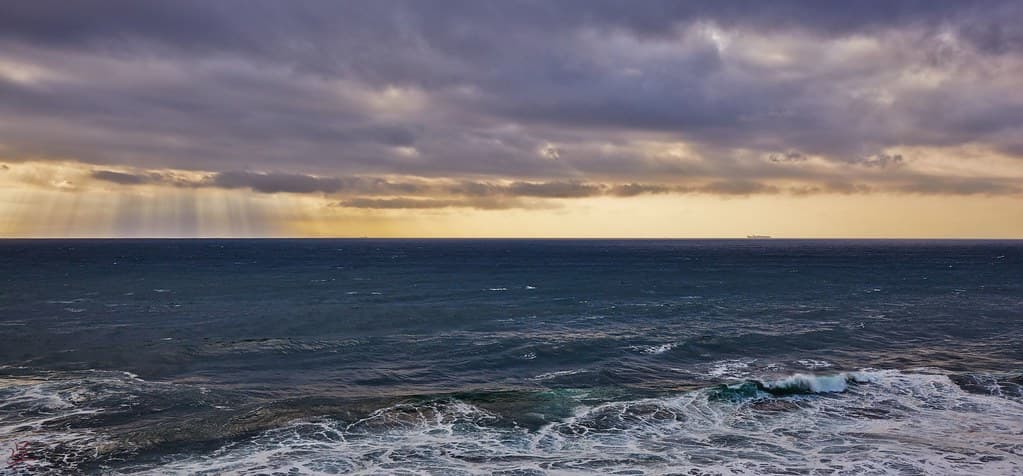
Counting the waves…
Counting the waves…

You arrive at a small parking area where the road hugs the western edge of Oga Peninsula, and a wooden walkway leads you toward the roar of the Sea of Japan. The scent of kelp and brine thickens as you approach the observation deck, where a geological accident has sculpted a nearly mythical likeness. The formation—officially named Godzilla Rock in 2016—emerged from volcanic activity millions of years ago, its ridged spine and hunched posture so uncanny that local officials installed explanation plaques and designated sunset viewing times. The beach itself is a narrow strip of dark sand and rounded stones, framed by cliffs striped with mineral deposits. Fishermen cast lines from the rocks in early morning; by afternoon, photographers claim prime positions on the deck. The water here runs deep and cold, colored slate-blue even in summer, with swells that break white against the formation's base. Seabirds wheel overhead, their cries mixing with the rhythmic percussion of surf. You'll find no umbrellas or vendors—just the raw interface of land and sea that shaped this coast. The viewing platform offers unobstructed sightlines, and in winter months when the sun aligns perfectly behind the rock's profile, the creature seems to breathe fire. Afterward, drive ten minutes south to Nyudozaki Lighthouse or north toward the peninsula's sake breweries, where toji masters have fermented rice for three centuries.
Places, rentals, tours and events within walking and driving distance of Godzilla Rock Beach.
Photos
Godzilla Rock Beach is primarily a sightseeing destination rather than a swimming beach. The area features rocky coastline and can have strong currents, making it less suitable for swimming. Most visitors come to photograph the famous Godzilla-shaped rock formation and enjoy the scenic coastal views. The beach is best appreciated from the viewing platforms and walking paths along the shore. If you're looking to swim, consider other beaches in the Oga Peninsula that have designated swimming areas with calmer waters and safety facilities.
Godzilla Rock can be visited year-round, but sunset offers the most dramatic views when the rock formation is silhouetted against the sky, creating an impressive profile. Summer months (June-August) provide the most comfortable weather for walking around the area. Spring and autumn offer clearer skies for photography, while winter visits can be rewarding despite cold temperatures. The rock formation is visible in all seasons, though winter brings strong winds off the Sea of Japan. Plan to arrive 30-60 minutes before sunset for optimal lighting and photo opportunities.
Godzilla Rock is located along the western coast of the Oga Peninsula. By car, it's approximately 40 minutes from JR Oga Station via Route 101. Free parking is available near the viewing area. Without a car, access is challenging as public transportation is limited; renting a car in Akita city or Oga is recommended. Some tour buses include Godzilla Rock as part of Oga Peninsula sightseeing routes. The site is well-signposted along the coastal road, making it relatively easy to find for drivers.
Godzilla Rock Beach itself has minimal facilities—primarily viewing areas and parking. The nearest accommodations and restaurants are in Monzen or along the Oga Peninsula coast, typically 10-20 minutes away by car. The town of Oga offers more extensive lodging options, including traditional ryokan and modern hotels, about 30-40 minutes from the rock formation. Many visitors combine Godzilla Rock with other Oga Peninsula attractions like Namahage Museum. It's advisable to eat before or after your visit, as there are no food vendors directly at the site.
The rock formation earned its nickname due to its striking resemblance to Godzilla, particularly when viewed in silhouette during sunset. The profile shows what appears to be Godzilla's distinctive head, spikes, and back rising from the sea. While the natural formation has existed for ages, it gained official recognition and popularity as a tourist attraction in recent years. Toho, the company that owns Godzilla rights, officially acknowledged the resemblance, boosting its fame. The rock has become a beloved photo spot and symbol of the Oga Peninsula's dramatic coastal scenery.