
Counting the waves…
Counting the waves…
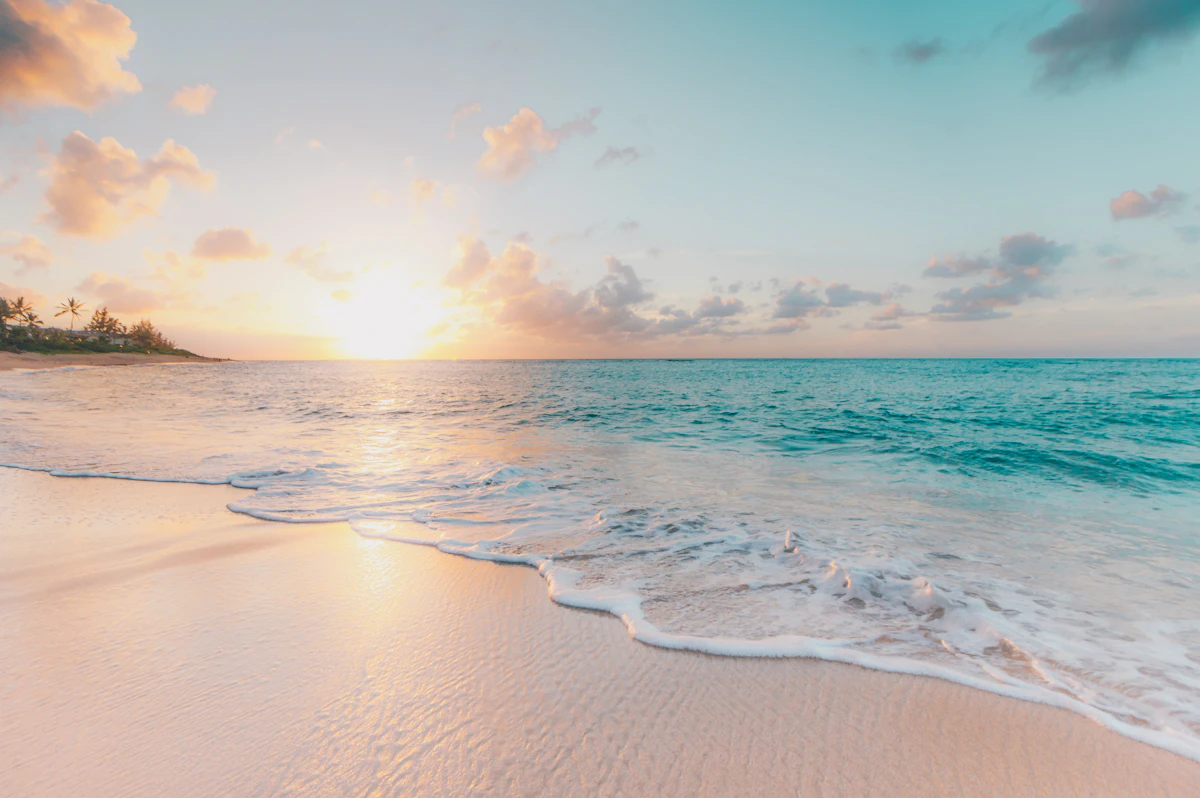
Odanosawa Beach sits at the edge of Mutsu, where the Shimokita Peninsula's eastern shore meets the open Pacific. The sand here is charcoal-grey, volcanic in origin, a striking contrast to the deep green of the Japanese red pines that lean landward from decades of ocean wind. You'll hear the steady percussion of waves rolling in across a gradual seafloor, their white foam spreading thin across the intertidal zone before retreating with a hiss. Families stake out patches beneath the pines' canopy, their coolers and beach chairs nestled in needle-carpeted shade. Unlike the cliffy stretches that dominate this coastline, Odanosawa offers an easy walk from parking area to waterline. The beach runs long enough that even on summer weekends, you'll find space to lay your towel without jostling elbows. In cooler months, the shore becomes a contemplative place—locals stroll the tideline in windbreakers, watching fishing boats motor past the bay's mouth while cormorants dive beyond the break. The water temperature hovers cool even in August, a bracing wake-up call that keeps swims brief but memorable. Behind you, the scent of pine resin mixes with salt air, and the tree line provides natural shelter when afternoon breezes pick up. This is the beach Mutsu residents return to across seasons, a dependable ribbon of shore where the Pacific's moods play out against a backdrop of dark sand and darker trees.
Places, rentals, tours and events within walking and driving distance of Odanosawa Beach.
Photos
Odanosawa Beach offers relatively calm Pacific waters suitable for family swimming during summer months. As with any ocean beach, conditions vary with weather and tides. The beach's protected location in Mutsu Bay generally provides gentler waves compared to fully exposed Pacific coastlines. However, always check local conditions before entering the water, supervise children closely, and be aware that lifeguard availability may be seasonal. Strong currents can develop, particularly during storms or high winds, so exercise caution and follow any posted warnings or local advisories.
While listed as year-round, Odanosawa Beach is most popular from late June through August when temperatures are warmest for swimming. Summer daytime temperatures typically reach 20-25°C, with water warm enough for comfortable swimming. Spring and autumn offer pleasant beach walks and scenery with fewer crowds, though water is too cold for most swimmers. Winter visits are possible for coastal scenery, but expect cold temperatures and limited facilities. July and August provide the best combination of weather, open facilities, and calm sea conditions for families.
Odanosawa Beach is located in Mutsu city on the Shimokita Peninsula. By car, it's approximately 90 minutes from Aomori city via Route 279. Free parking is typically available near the beach. By public transport, take the JR Ōminato Line to Shimokita Station, then a local bus or taxi (about 20 minutes). Car rental is recommended for exploring the Shimokita Peninsula, as public transport connections can be limited. The beach's accessibility makes it one of the more convenient Pacific-facing beaches in northern Aomori.
Dining options directly at Odanosawa Beach may be limited, particularly outside summer season. Mutsu city center, about 15-20 minutes away, offers restaurants serving local seafood including scallops, a regional specialty. Basic amenities like restrooms and changing facilities are typically available at the beach during peak season. For accommodation, Mutsu city provides business hotels, ryokan, and minshuku. Staying in town gives access to restaurants and shops while keeping the beach within easy reach for day visits.
Odanosawa Beach is significant as one of the main accessible Pacific Ocean beaches on Aomori's northern coast, a region where rugged cliffs often limit beach access. Its location on the Shimokita Peninsula provides unique positioning facing the Pacific while being somewhat sheltered by the peninsula's geography. The beach offers views across the ocean that differ from the more common Japan Sea beaches in western Aomori. This accessibility combined with family-friendly facilities makes it an important recreational spot for locals and visitors exploring northern Honshu's dramatic coastline.