Counting the waves…
Counting the waves…
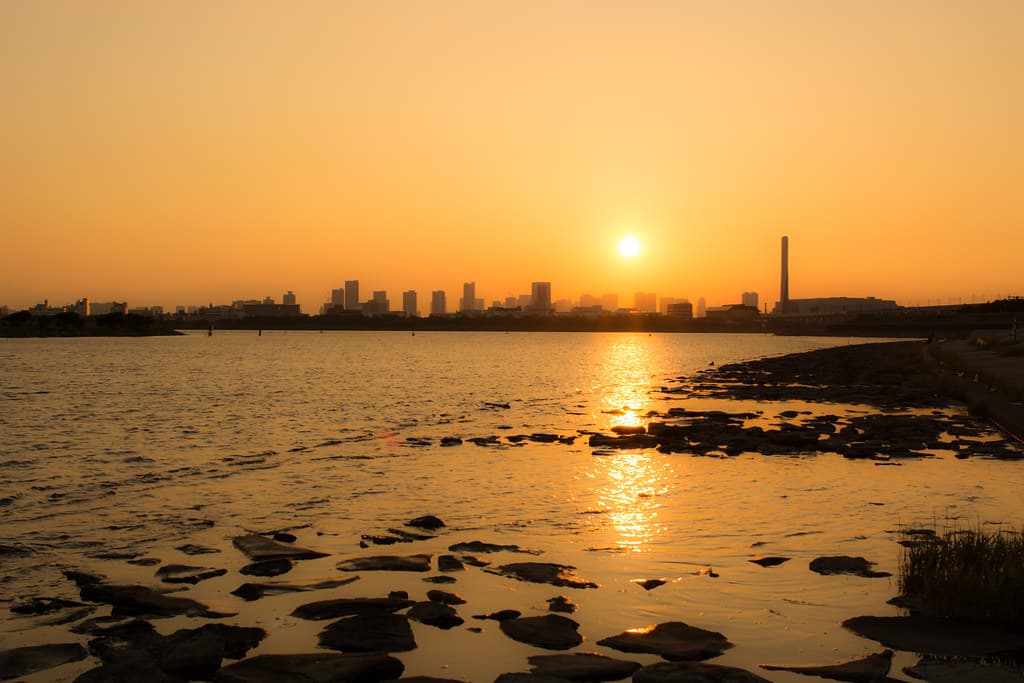
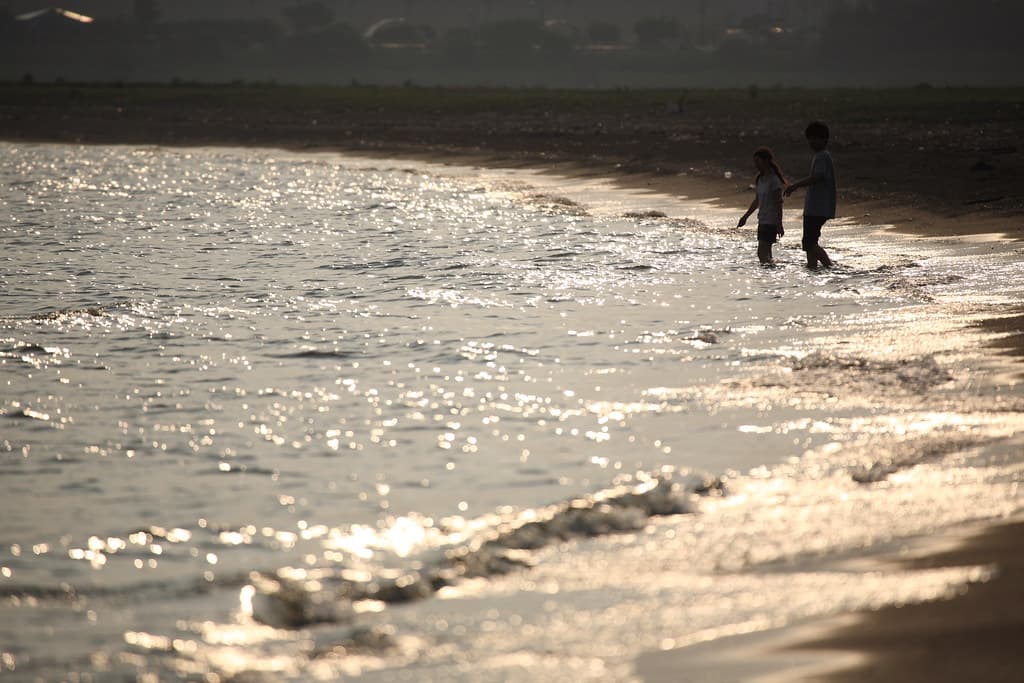
Step onto the quiet sands of Gyotoku Beach, and you'll immediately feel a sense of calm. This isn't a bustling resort; it's a peaceful interface between the urban edge and a thriving natural habitat. The air is clean, carrying the scent of salt and marshland, a refreshing contrast to the city's concrete. The beach itself is modest, a gentle curve of sand leading to the calm waters of the bay. Its true magic lies in its proximity to the Gyotoku Bird Sanctuary, where expansive wetlands provide a vital home for migratory birds. You'll hear the chirps and squawks of various species, a constant, soothing soundtrack to your visit. It’s a place for quiet observation, for long walks where you can spot a heron wading in the shallows or a flock of plovers taking flight. The sunsets here are particularly poignant, painting the sky over the wetlands and the bay in soft, muted colors, creating a truly contemplative and beautiful experience.
Places, rentals, tours and events within walking and driving distance of Gyotoku Beach.
Photos
Gyotoku Beach is primarily a wetland and tidal flat area rather than a traditional swimming beach. The waters are shallow and muddy, making it unsuitable for swimming. The beach is better suited for walking, birdwatching, and enjoying nature. Visitors should wear appropriate footwear as the ground can be uneven and muddy. Always check tide times before visiting, as the area changes significantly between high and low tide.
The best time to visit Gyotoku Beach is during spring and autumn weekdays when crowds are minimal and temperatures are comfortable for walking. Early mornings are ideal for birdwatching, especially during migration seasons in April-May and September-October. Winter months also offer excellent bird-spotting opportunities with fewer visitors. Avoid summer weekends if you prefer solitude. Check tide schedules beforehand, as low tide reveals more of the tidal flats and wetland habitats that make this area special.
From central Tokyo, take the JR Sobu Line to Ichikawa Station, then transfer to the Toei Shinjuku Line to Gyotoku Station (approximately 40-50 minutes total). From Gyotoku Station, the beach area is about a 15-20 minute walk south. Alternatively, local buses run from the station toward the waterfront. By car, take the Shuto Expressway toward Chiba, exiting at Ichikawa. Limited parking is available near the waterfront area. The journey from central Tokyo typically takes 45-60 minutes depending on your starting point.
Gyotoku Beach is primarily a nature area with limited facilities. Most restaurants and services are located back toward Gyotoku Station, where you'll find typical Japanese eateries, convenience stores, and cafes. For accommodations, consider staying in central Ichikawa or Tokyo, as there are few hotels directly near the beach. The area around Gyotoku Station has several business hotels and local restaurants. It's advisable to bring snacks and water if you plan to spend time at the beach itself, as amenities are minimal.
Gyotoku Beach's tidal flats and wetlands create a vital habitat for migratory and resident bird species, making it a hidden gem for birdwatchers. The shallow waters attract waders, herons, and various shorebirds throughout the year. The area is less developed than other Tokyo Bay locations, preserving natural feeding grounds. During migration seasons, you can spot species passing between their breeding and wintering grounds. The quiet, uncrowded nature of the beach allows for undisturbed observation, and the urban backdrop creates an interesting contrast to the natural wildlife habitat.