Counting the waves…
Counting the waves…
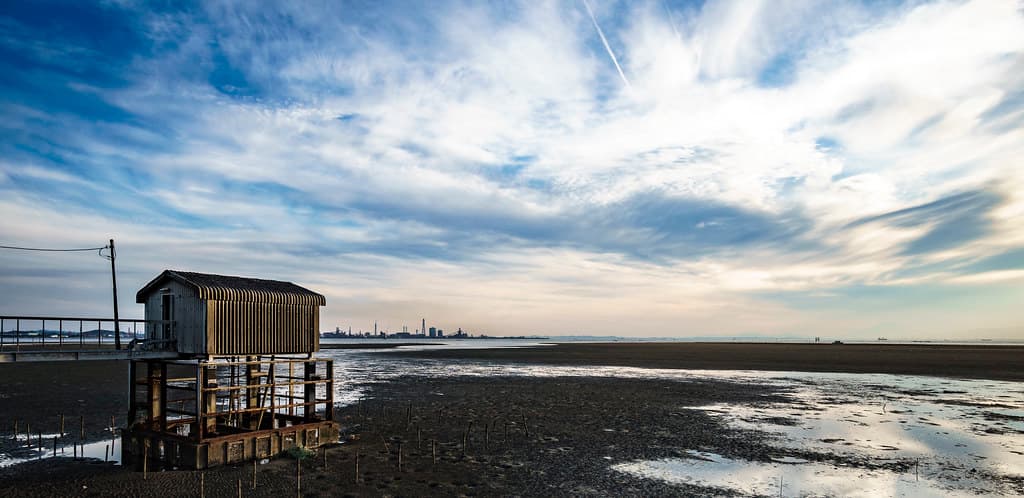
Step onto the expansive tidal flats of Egawa Beach, a truly distinctive landscape that feels both ancient and ethereal. Here, rows of weathered wooden poles, once used for seaweed farming, march out into the bay, creating a striking visual rhythm against the vast horizon. During low tide, the flats reveal their intricate patterns, inviting exploration and discovery. The real spectacle, however, unfolds as the sun begins its descent. Egawa Beach is legendary for its sunsets. As the sky ignites with a palette of fiery oranges, deep purples, and soft pinks, the wooden poles transform into dramatic silhouettes, their reflections shimmering on the wet sand. This breathtaking scene is a magnet for photographers, each angle offering a new, captivating composition. Beyond its visual appeal, there's a quiet, contemplative vibe to Egawa. The vastness of the flats and the distant city lights across the bay create a sense of serene isolation, even as others gather to witness the daily spectacle. It’s a place where nature's artistry takes center stage, leaving an indelible impression long after the last sliver of sun dips below the horizon.
Places, rentals, tours and events within walking and driving distance of Egawa Beach.
Photos
Egawa Beach is famous primarily for its extensive tidal flats and iconic wooden poles rather than swimming. During low tide, the water recedes significantly, exposing mudflats ideal for walking and photography but not swimming. High tide brings water back, though the beach's character is more about scenic beauty than swimming facilities. Some wading may be possible depending on tide times and conditions. The beach is best appreciated for sunset photography, coastal walks, and experiencing the unique tidal flat environment rather than traditional beach swimming activities.
Egawa Beach is most photogenic at sunset when the wooden poles create dramatic silhouettes against colorful skies, making late afternoon to dusk ideal. Low tide reveals expansive mudflats enhancing compositions. Check tide tables to plan visits when tidal flats are exposed. Golden hour lighting (hour before sunset) provides warmest tones. Clear weather offers best visibility, though dramatic clouds can enhance sunset photos. Spring and autumn provide comfortable temperatures and often clearer skies than humid summer. Weekdays may offer fewer people in your shots, though the atmosphere is generally uncrowded year-round.
From Tokyo, take the JR Uchibo Line to Kisarazu Station, then a bus or taxi approximately 15-20 minutes to Egawa Beach. By car, it's about 50-70 minutes via the Tokyo Bay Aqua-Line directly to Kisarazu, then follow local roads to the beach. The Aqua-Line route is scenic and efficient. Parking is available near the beach. For sunset photography, plan arrival at least an hour before sunset to scout locations. Public transportation requires checking bus schedules, especially for return trips after sunset. Having a car provides flexibility for timing and equipment transport.
Kisarazu city, close to Egawa Beach, offers diverse dining options including seafood restaurants, casual eateries, and chain establishments. The Kisarazu area has developed significantly, providing good restaurant variety. Accommodation ranges from business hotels to ryokans (traditional inns) throughout Kisarazu. The beach area itself has limited facilities, so plan meals in town. Several hotels cater to Tokyo Bay visitors and offer views. Being a more famous destination than other local beaches, the surrounding area has better tourism infrastructure. Reservations are advisable during peak seasons and holidays.
Egawa Beach's wooden poles are remnants of traditional fishing structures or coastal markers that create striking visual patterns across the tidal flats. At sunset, they form dramatic silhouettes against colorful skies, producing naturally photogenic scenes perfect for Instagram. The combination of geometric pole arrangements, reflective mudflats, and sunset colors creates compositional magic. This unique landscape element distinguishes Egawa Beach from typical sandy beaches. The poles have become iconic symbols of the Kisarazu coastline, attracting photographers seeking distinctive Tokyo Bay imagery beyond standard beach shots.